The gap between AirPods and AirPods Max leaves iPhone users searching for over-ear headphones that balance quality with affordability, often accepting reduced ecosystem integration for lower cost.
AirPods Max represent Apple’s entry into premium over-ear headphones. They integrate deeply with the iPhone, switching automatically between devices, supporting spatial audio, and appearing instantly in the Bluetooth menu. They also cost over five hundred dollars, which has created a vacuum in the market. iPhone users who want over-ear headphones but can’t justify or afford AirPods Max have to look outside Apple’s ecosystem, which means giving up integration features that have become expected.
Third-party over-ear headphones connect to the iPhone like any Bluetooth audio device. You pair them once, and they appear in the Bluetooth settings. But they don’t automatically switch between your iPhone, iPad, and Mac when you move from one device to another. They don’t support spatial audio in the way AirPods do. They don’t show up with a battery indicator in the Control Center. The seamless device switching that makes AirPods feel like an extension of the iPhone becomes something you have to manage manually, which reintroduces friction that Apple spent years eliminating.
Active noise cancellation has become table stakes for over-ear headphones in this category, regardless of whether they’re made by Apple or third parties. The technology is mature enough that most implementations work well in common scenarios—airplanes, trains, open offices. The difference is in tuning and processing. AirPods Max use Apple’s computational audio to adapt noise cancellation in real time, while third-party headphones rely on their own algorithms. Both achieve silence, but the experience isn’t identical.
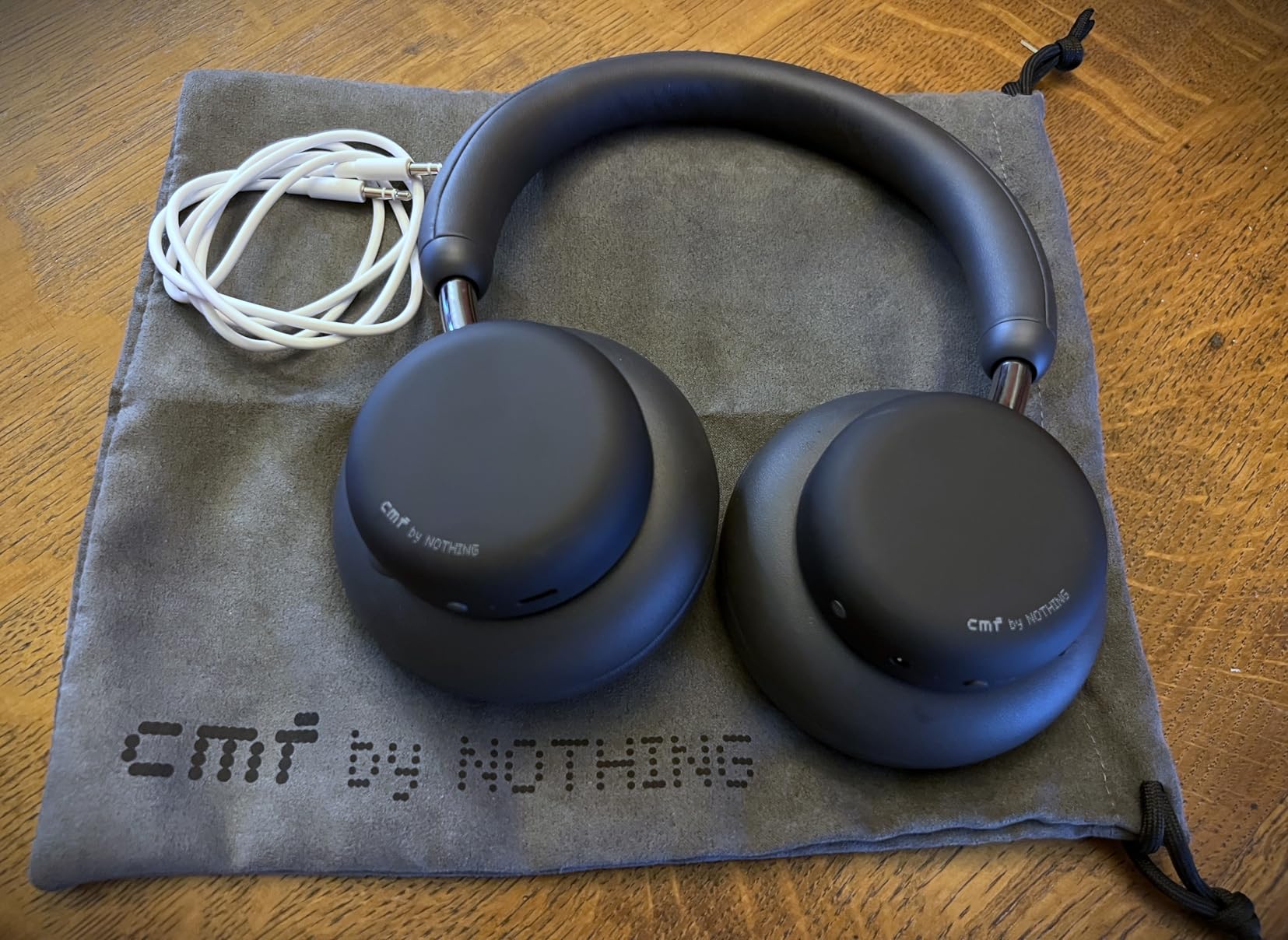
Battery life extends significantly beyond AirPods when you move to third-party over-ear models. AirPods Max last around twenty hours with ANC enabled. Some competitors offer forty or fifty hours, which means they can go days or even weeks between charges depending on usage. This reduces the cognitive load of battery management—you’re not constantly checking whether they need charging before a flight or a long work session. They just last, which is a form of reliability that offsets some of the lost ecosystem integration.
Customizable EQ and audio profiles represent features Apple doesn’t offer natively. AirPods sound the way Apple thinks they should sound, with minimal user adjustment beyond standard iOS audio settings. Third-party headphones often include companion apps that let you adjust bass response, treble, and mid-range frequencies to personal preference. This level of control appeals to users who want to tune their audio experience, but it also requires engaging with yet another app, another interface, another set of settings that exist separately from iOS.
The H1 chip’s seamless switching becomes less essential when the alternative costs half as much and includes features Apple doesn’t offer. You accept that switching between devices requires manually disconnecting from one and connecting to another. You give up the instant pairing animation and the automatic appearance in Find My. What you gain is extended battery life, customizable sound profiles, and a price point that doesn’t require justification or extended deliberation.
The physical design and comfort matter differently when you’re wearing over-ear headphones for extended periods. AirPods Max’s stainless steel build is premium but heavy. Third-party alternatives often use lighter materials—plastic, aluminum—that reduce neck strain during long sessions. The ear cushions, headband padding, and clamping force all affect comfort in ways that become more noticeable after several hours of wear. The iPhone doesn’t care what headphones you’re wearing, but your head does.
Previously listed at $99, current listings hover around $79 for models with ANC, extended battery life, and app-based customization. The positioning is clear: these are for iPhone users who want over-ear headphones but find AirPods Max’s pricing untenable. The trade-off is explicit—you sacrifice ecosystem integration for affordability and feature flexibility. For users who rarely switch between devices, who prioritize battery life over automatic pairing, or who want granular control over sound profiles, the compromise makes sense. For everyone else, the absence of seamless integration remains a persistent reminder that you’re using a device from outside Apple’s ecosystem, connected but not quite integrated.
"Note: Readers like you help support The Apple Tech. We may receive a affiliate commission when you purchase products mentioned on our website."