
The convenience of MagSafe has created a secondary concern among iOS users: managing heat during overnight charging sessions that once ran cool and unnoticed.
Wireless charging generates warmth that wired charging never did, and users are now factoring temperature into decisions that used to be automatic. The iPhone resting on a nightstand used to reach full capacity without any thermal consideration. MagSafe changed that calculus. The magnetic alignment is frictionless, but the energy transfer itself produces heat—not enough to cause immediate concern, but enough to be noticeable when you pick up the device in the morning.
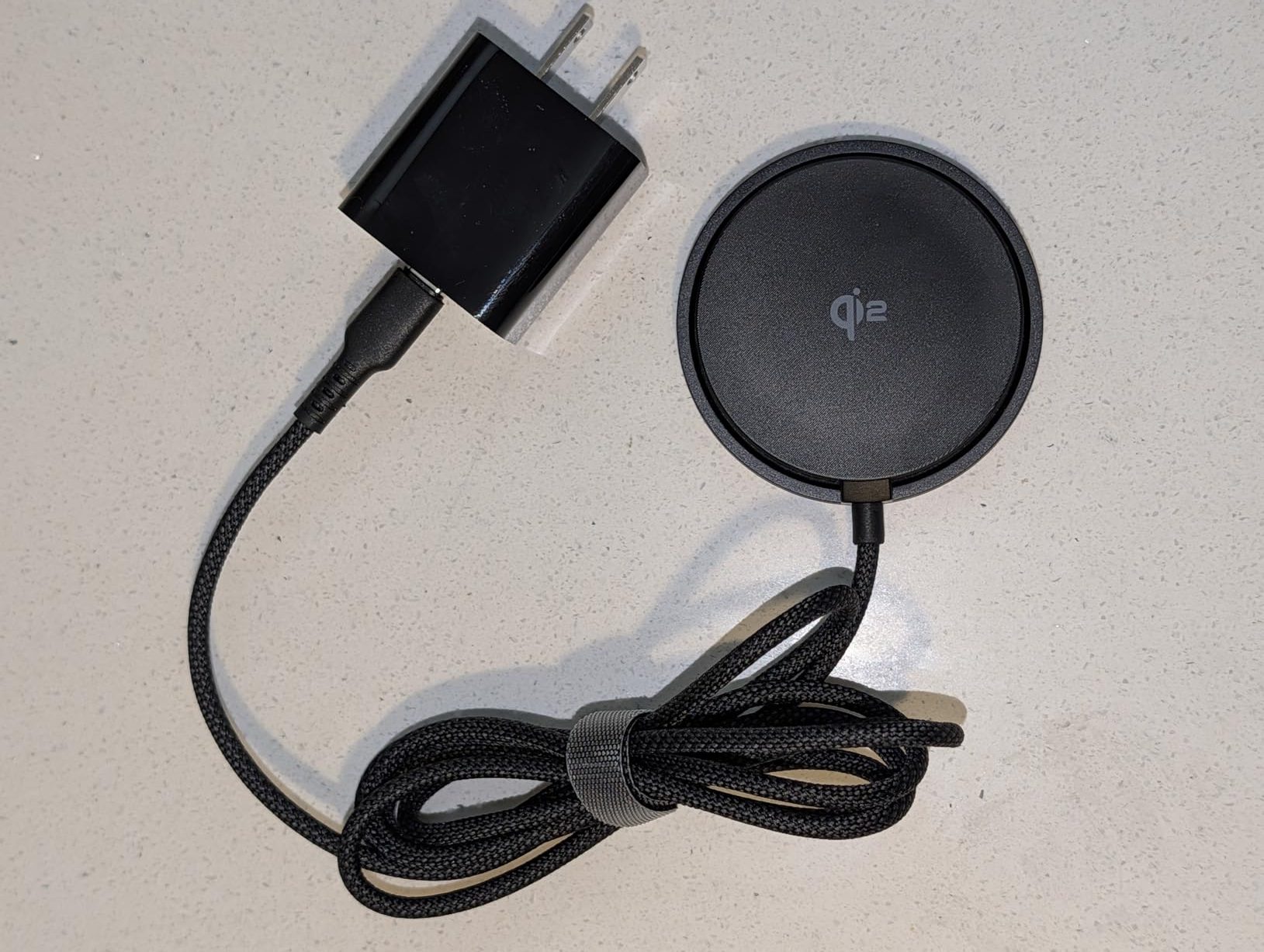
Apple hasn’t addressed this directly. The company’s MagSafe marketing emphasizes speed and convenience, not thermal management. Yet the heat is there, consistent enough that third-party manufacturers have introduced cooling mechanisms into charging pads. Small fans, embedded into the hardware, attempt to dissipate warmth that accumulates during the hours an iPhone sits charging wirelessly. It’s a solution to a problem that only exists because of how the technology works.
The behavioral response has been quieter than the technical issue. Some users have returned to wired charging overnight, reserving MagSafe for quick top-ups during the day. Others leave their phones on cooling-enabled pads and don’t think about it further. A smaller group monitors battery health metrics in iOS settings, looking for patterns that might correlate with charging method. The data doesn’t offer clear answers, which leaves room for habit and speculation to fill the gap.
Qi2 certification brought a standard to what had been a fragmented landscape. The magnets align, the power delivers at 15W, and the devices communicate properly. But the heat remains a variable that the standard doesn’t eliminate. An iPhone 16 charging on a Qi2 pad will still warm up, and whether that matters depends more on user perception than measurable harm. Apple’s guidance on optimal charging conditions exists but doesn’t specifically address wireless versus wired thermal differences.
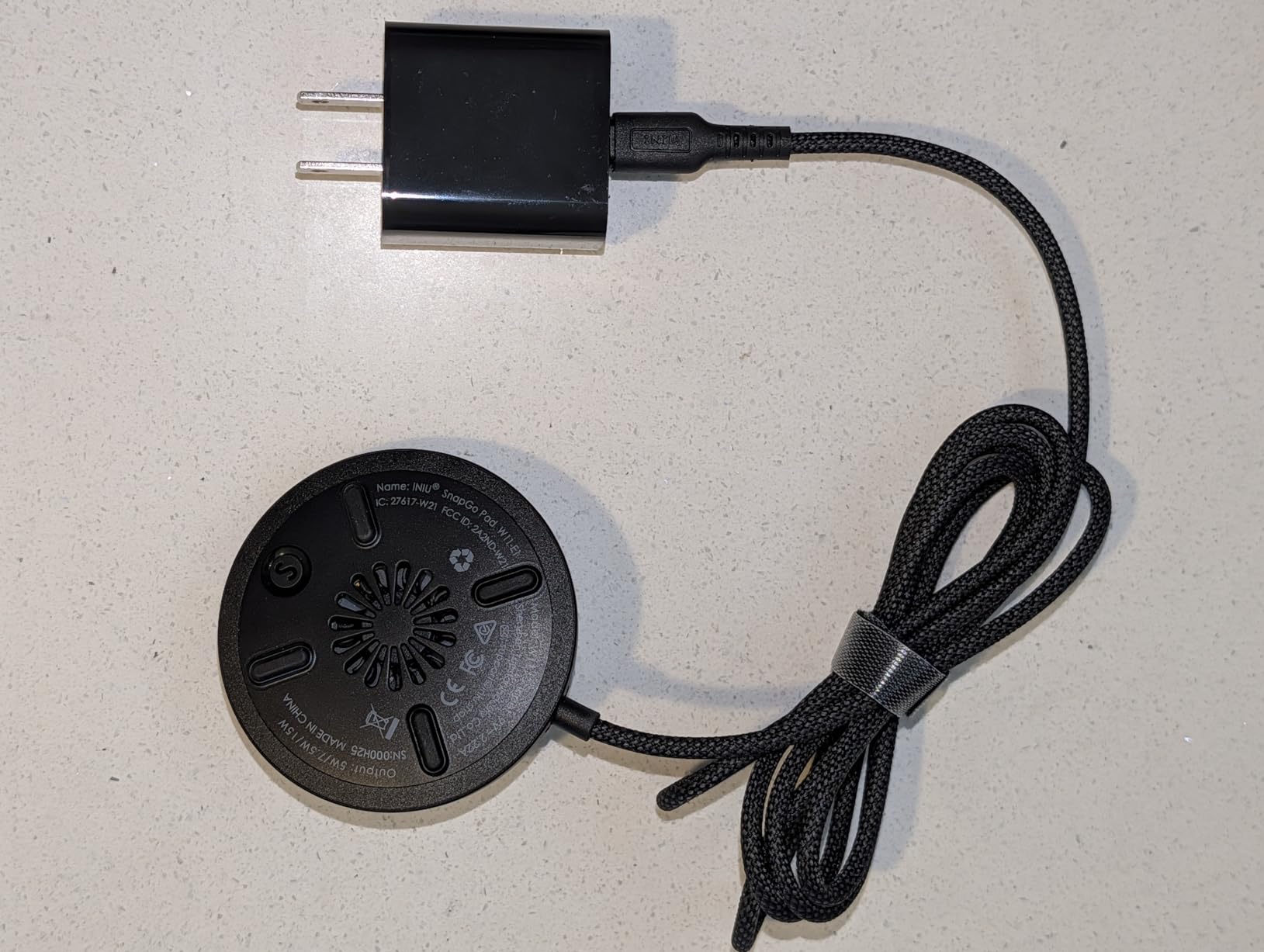
The fans themselves are small, nearly silent, and operate continuously while the pad is in use. They’re a passive presence—noticeable only when you think to notice them. For users accustomed to the silent operation of Lightning charging, even minimal fan noise registers as a new element in the nighttime environment. Some find it negligible. Others switch back to cables specifically to avoid it.
What’s emerged is a split in iPhone charging behavior that didn’t exist three years ago. The cable remains the baseline: predictable, cool, reliable. Wireless charging is the convenience upgrade, accepted by users willing to tolerate the tradeoffs that come with it. Those tradeoffs include heat, and increasingly, the accessories designed to manage that heat on Apple’s behalf.
Previously listed at $21.99, current listings hover around $18.99 for Qi2-certified magnetic charging pads with integrated cooling fans and included power adapters. The pricing sits slightly above basic wireless chargers, reflecting the additional hardware required to address thermal concerns that Apple introduced but hasn’t directly solved.
"Note: Readers like you help support The Apple Tech. We may receive a affiliate commission when you purchase products mentioned on our website."