

Cross-platform audio gear exposes a tension in how people navigate brand loyalty versus budget pragmatism, particularly when battery life outpaces Apple’s own offerings by double.
There’s a specific moment in the life of an iPhone user when the math stops adding up. You’re weighing another premium purchase against a third-party option that costs half as much and promises 76 hours of playback. The brand allegiance that once felt natural starts to feel like an expensive habit. This isn’t about sound quality—it’s about the quiet economics of staying loyal to an ecosystem that doesn’t always reciprocate.
Battery life has become the silent wedge. Apple’s wireless offerings hover around 30 hours with charging cases, a figure that once seemed generous but now feels modest next to competitors doubling or tripling that runtime. For commuters, frequent travelers, or anyone allergic to charging rituals, this discrepancy becomes impossible to ignore. The inconvenience of carrying a charging cable everywhere outweighs the convenience of seamless pairing.
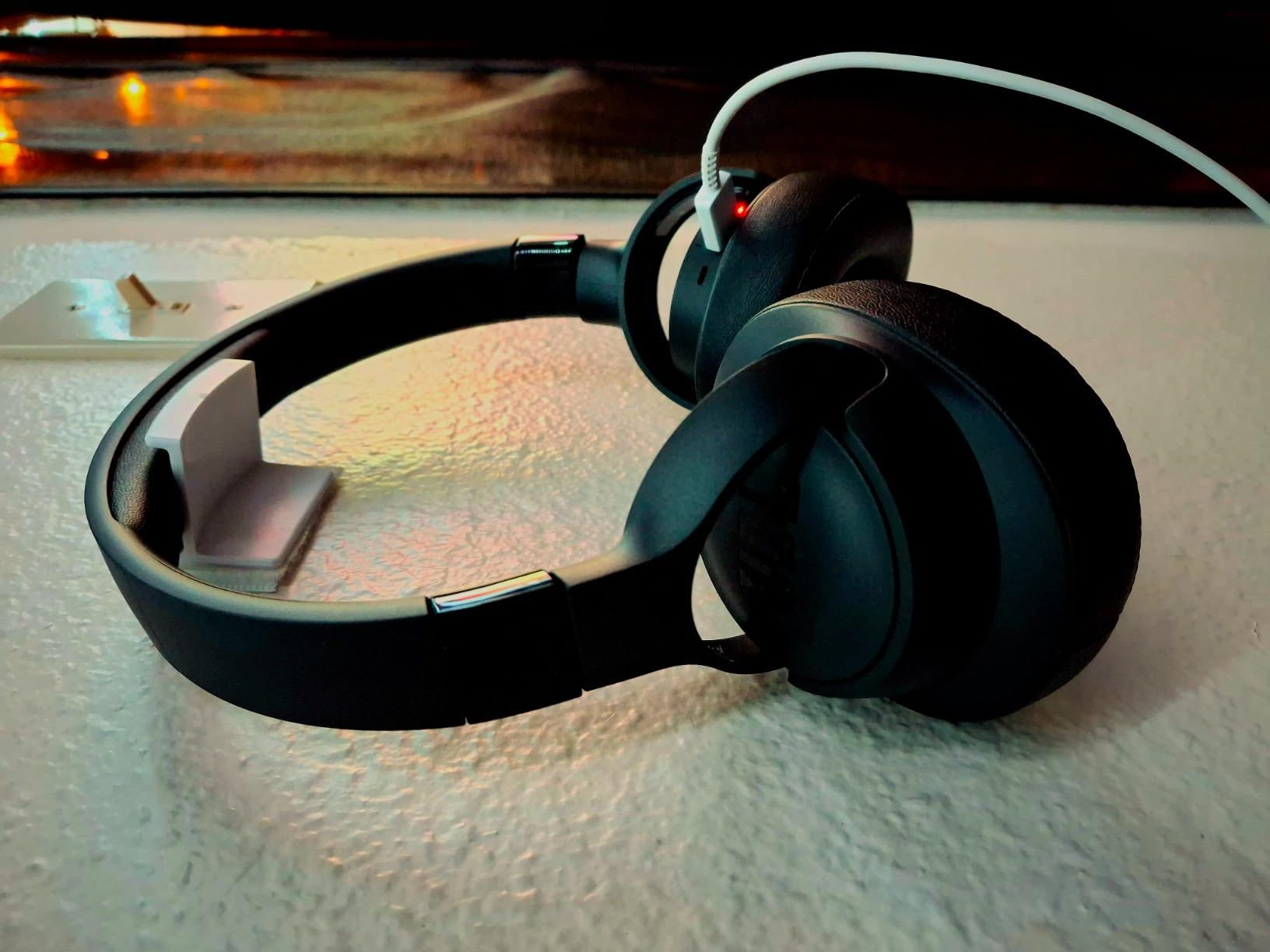
Bluetooth 5.3 has leveled the playing field in ways Apple hasn’t publicly addressed. The connectivity advantages that once justified premium pricing have eroded. Third-party headphones now pair almost as quickly, maintain stable connections across rooms, and work across multiple devices without the friction that plagued earlier generations. The ecosystem lock-in that Bluetooth once reinforced has weakened considerably.
Foldable designs introduce another behavioral shift. People who would never have considered over-ear headphones for daily carry now slip them into bags without a second thought. The bulk that once signaled “home use only” has collapsed into something portable enough for coffee shops and flights. This shift in form factor opens the door to brands that Apple doesn’t directly compete with—at least not yet.
Sound profiles matter less than most manufacturers assume. The vast majority of listeners stream compressed audio through standard apps, rendering the nuanced differences between “pure bass” and Apple’s spatial audio largely academic. What matters is comfort over hours, battery endurance, and a price that doesn’t sting when the headphones inevitably get dropped or lost. This is where third-party hardware wins.
The “lightweight and comfortable” descriptor sounds generic until you’ve worn over-ear headphones for six straight hours on a transcontinental flight. Apple’s AirPods Max, by comparison, carry a weight—literal and metaphorical—that makes them feel like a commitment. Budget alternatives have refined ergonomics to the point where the difference in comfort outweighs the difference in brand prestige for a growing number of users.
SIMILAR
Apple Home users are managing smart outlets through competing voice assistants as HomeKit compatibility remains inconsistent
Why some Apple ecosystem users are quietly adding Windows machines to home offices
iPhone users are redesigning car charging setups as multiple devices compete for limited power during commutes
The pricing tells the story plainly. Previously listed at $89.95, current listings hover around $44.95—a 50% reduction that makes the value proposition undeniable. For iPhone users already paying monthly for iCloud, Apple Music, and various subscriptions, this kind of hardware discount represents a rare break from the ecosystem’s relentless upselling. Sometimes, stepping outside the walled garden is the only way to catch your breath.
"Note: Readers like you help support The Apple Tech. We may receive a affiliate commission when you purchase products mentioned on our website."