
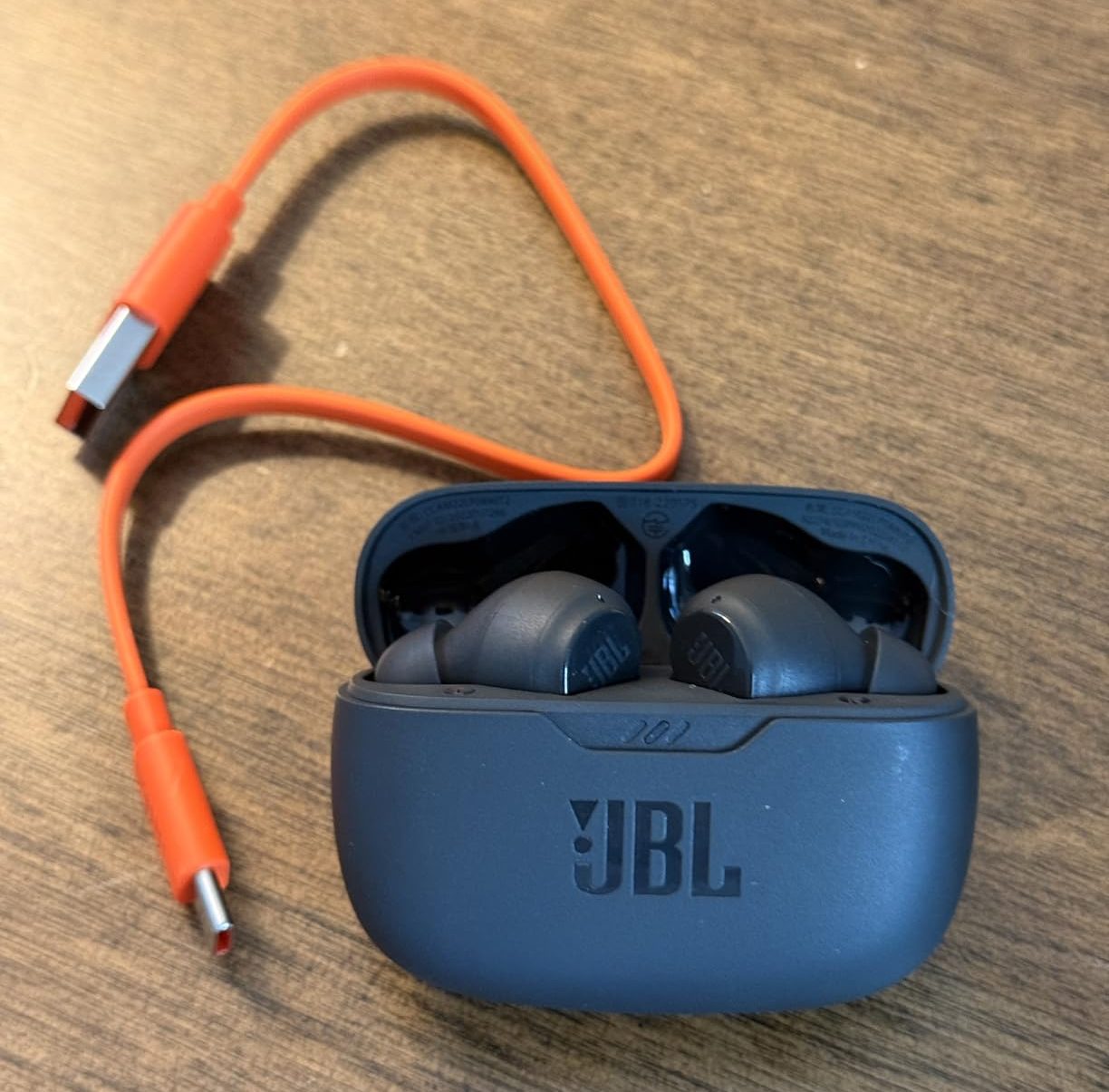
The original friction point with truly wireless earbuds wasn’t sound quality or fit—it was the constant low-level anxiety about whether they’d last through the next listening session. Early adopters developed charging habits that mirrored smartphone behavior: nightly case charging, pre-commute battery checks, mental calculations about remaining listening time during longer trips.
That management overhead has become culturally unacceptable. iPhone users who’ve integrated wireless audio into daily routines—calls during walks, podcasts during chores, music during commutes—no longer tolerate earbuds that require deliberate charging behavior. The expectation has crystallized around a specific threshold: the ability to forget about power for days at a time, not hours.
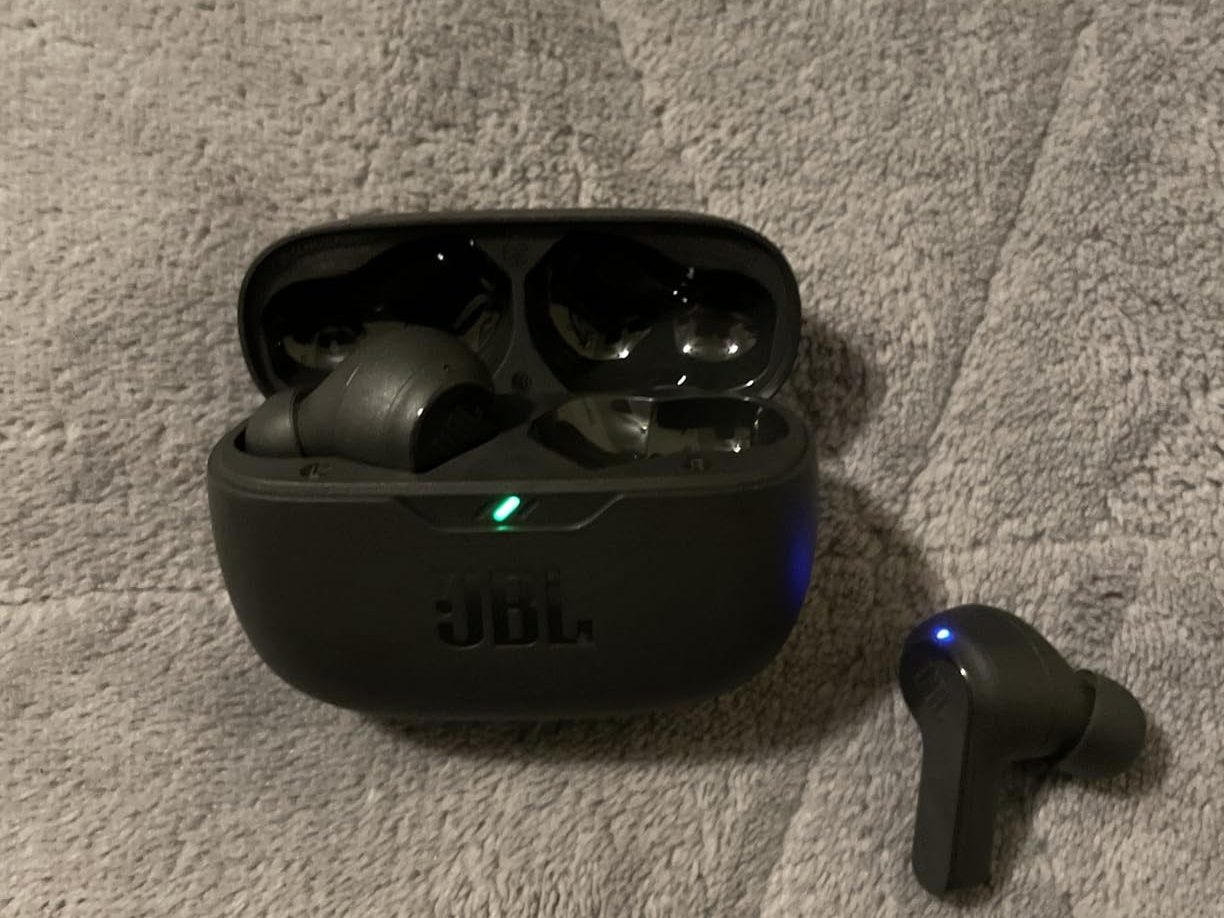
What’s driving this shift isn’t just battery capacity improvement. It’s the normalization of all-day earbud use as ambient infrastructure rather than intentional activity. People aren’t putting earbuds in for a specific task anymore. They’re leaving them in across multiple contexts throughout the day, pulling them out only when direct conversation requires it.
This usage pattern creates a different relationship with the charging case. It’s no longer a protective container that happens to recharge. It’s a battery reserve that needs to hold enough power to support several days of intermittent use without requiring the case itself to be plugged in. The case has become the primary battery, with the earbuds themselves just temporary holders of charge.
SIMILAR
Why iPhone users are carrying standalone noise machines instead of relying on sleep apps
Apple Watch charging became a bedside ritual, here's why the placement matters more than expected
iPhone users are quietly giving up the cable and most dont realize why it happened so gradually over time
Water and dust resistance has followed a similar trajectory. It’s not marketed as a feature anymore—it’s an assumed baseline that prevents these devices from becoming fragile objects requiring special care. iPhone users expect their earbuds to survive sweat, rain, and the occasional drop into a bag with loose debris without registering as risk.
Voice call quality has also crossed into essential territory, particularly as hybrid work has blurred the line between personal and professional audio needs. The same earbuds used for music during a morning run need to handle back-to-back video calls without switching devices. The iPhone ecosystem has trained users to expect seamless transitions between contexts without manual reconfiguration.
What’s being optimized isn’t feature density. It’s the removal of management overhead from an accessory that’s become as fundamental to daily iPhone use as the charging cable itself. The goal is to stop thinking about the earbuds as a separate device with its own care requirements and start treating them as an extension of the phone that simply works when needed.
Previously listed near $50, current listings has settled closer to $30 for earbud configurations that prioritize extended battery reserves and environmental durability over advanced audio processing features.
"Note: Readers like you help support The Apple Tech. We may receive a affiliate commission when you purchase products mentioned on our website."