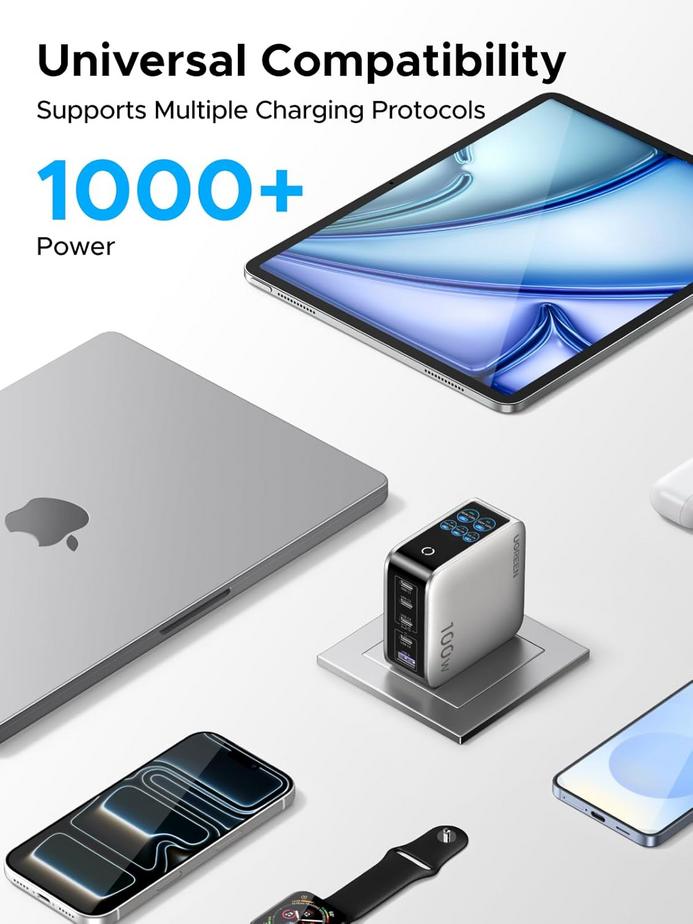

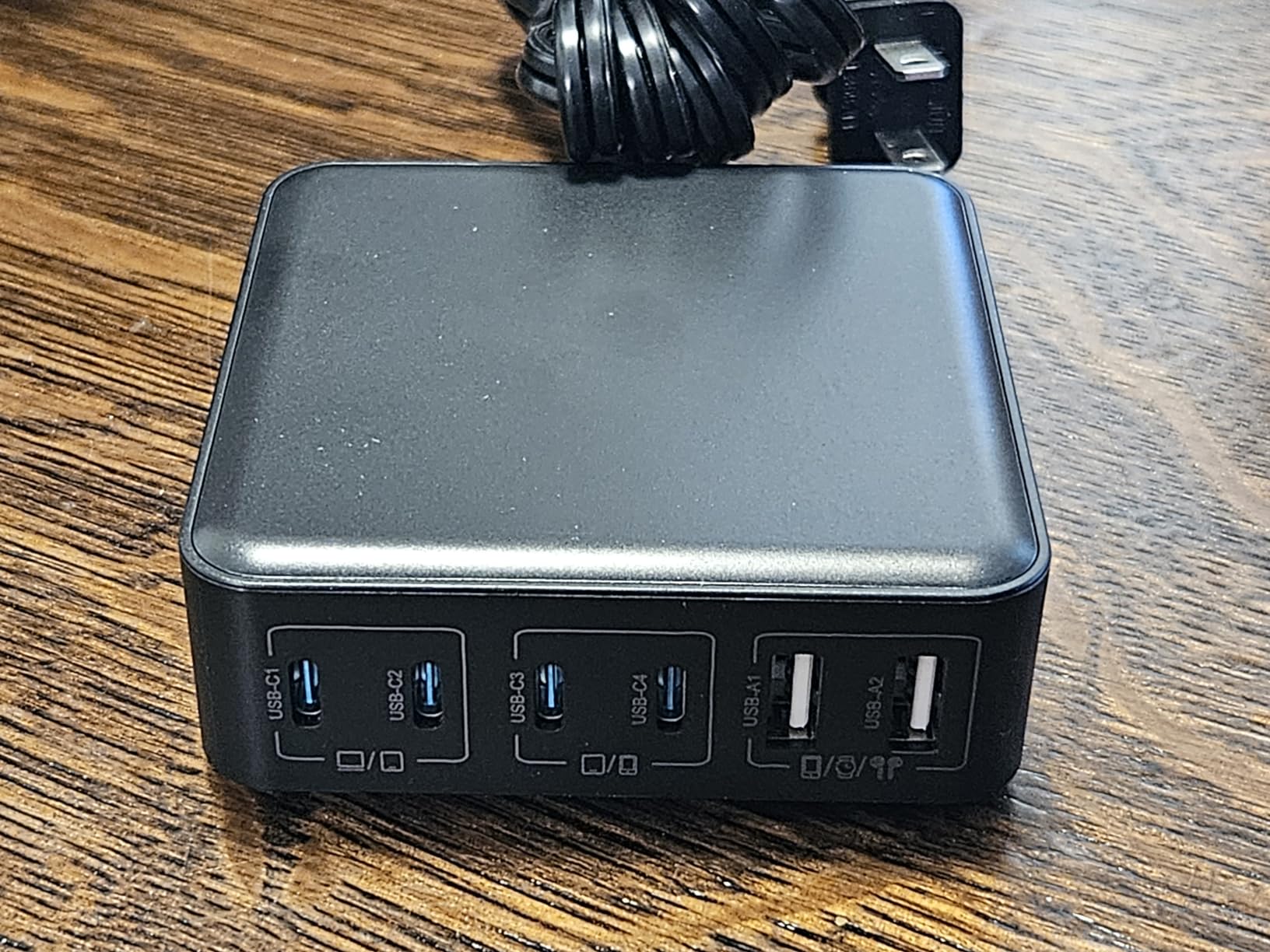
A visible shift is happening on desks and nightstands where Apple devices accumulate. The tangle of charging cables and wall adapters that once seemed inevitable is being replaced by single units designed to handle multiple devices simultaneously. What’s driving this isn’t aesthetics alone. It’s the cognitive load of managing power across an ecosystem that has quietly expanded.
Most people with an iPhone also have an iPad, Apple Watch, or AirPods. Some have all four. Each requires its own charging routine, its own cable, its own awareness of battery percentage. The mental overhead of tracking which device needs power and when has become a daily friction point that feels both minor and persistent.
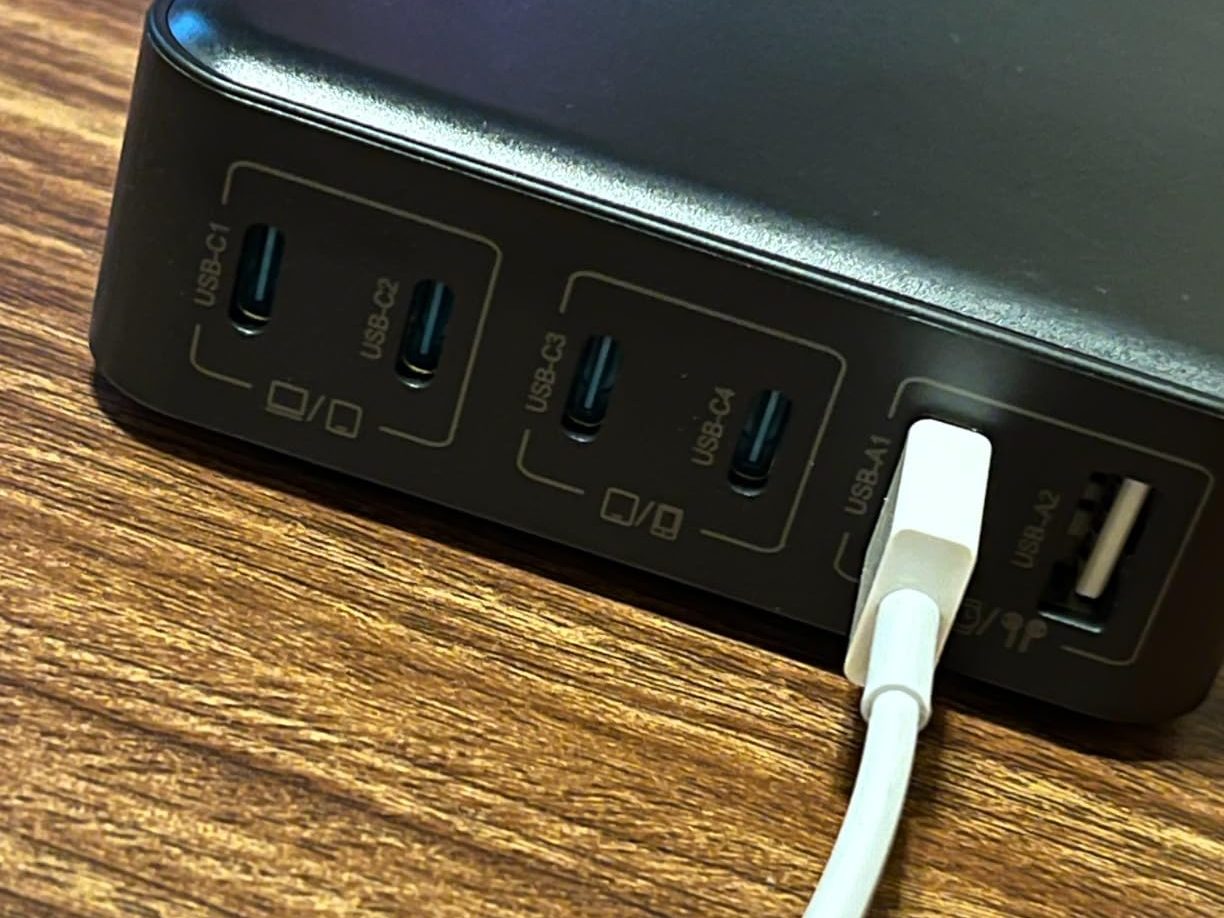
Centralized charging stations address this by creating a single ritual. Plug in one unit. Place devices on or near it. Walk away. The simplicity is appealing, but it also introduces a new dependency. If that one charger fails, everything fails. If it’s left behind during travel, the entire charging infrastructure collapses.
This mirrors a broader pattern in how Apple’s ecosystem functions. Convenience is delivered through integration, but integration creates fragility. Lose access to iCloud and multiple services stutter. Forget an Apple ID password and device setup stalls. The system works beautifully until one component fails, at which point the interconnectedness becomes a liability.
SIMILAR
Why iPhone users are carrying standalone noise machines instead of relying on sleep apps
Apple Watch charging became a bedside ritual, here's why the placement matters more than expected
iPhone users are quietly giving up the cable and most dont realize why it happened so gradually over time
What’s notable is how quickly users are willing to embrace this tradeoff. The appeal of reducing visible clutter and simplifying routines outweighs concerns about single points of failure. Desks look cleaner. Mornings feel less chaotic. The risk of consolidation is accepted because the immediate benefit is tangible.
There’s also a subtle shift in how power is understood. Charging used to be device-specific. Now it’s becoming location-specific. The bedroom has a charging hub. The office has another. Travel requires a portable version. The mental model has changed from “does this device need power” to “is this device near a charging location.”
The trade-off isn’t universally comfortable. Some users keep backup cables hidden in drawers, a hedge against the scenario where the central unit fails at an inconvenient time. Others report feeling uneasy about how much of their daily connectivity depends on one piece of hardware they didn’t think much about until it stopped working.
Previously listed near $40, some compact multi-device charging stations are current listings hover around $15(CODE LE9A8WS6).
"Note: Readers like you help support The Apple Tech. We may receive a affiliate commission when you purchase products mentioned on our website."