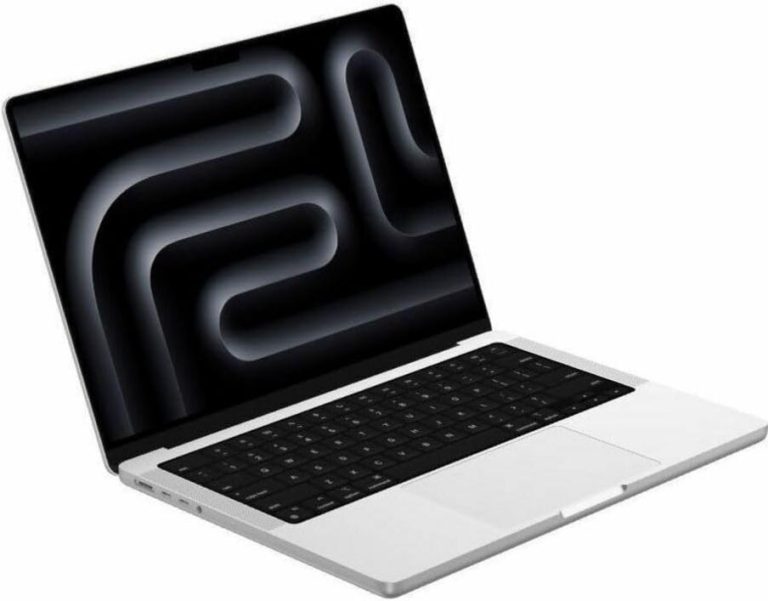
The MacBook’s port selection has been a source of tension for years, but the friction has recently shifted from cable adapters to input management. Many users now connect multiple external devices—monitors, gaming consoles, streaming boxes—to a single display, and the absence of built-in HDMI switching has forced them to adopt external solutions that Apple’s hardware design never anticipated.
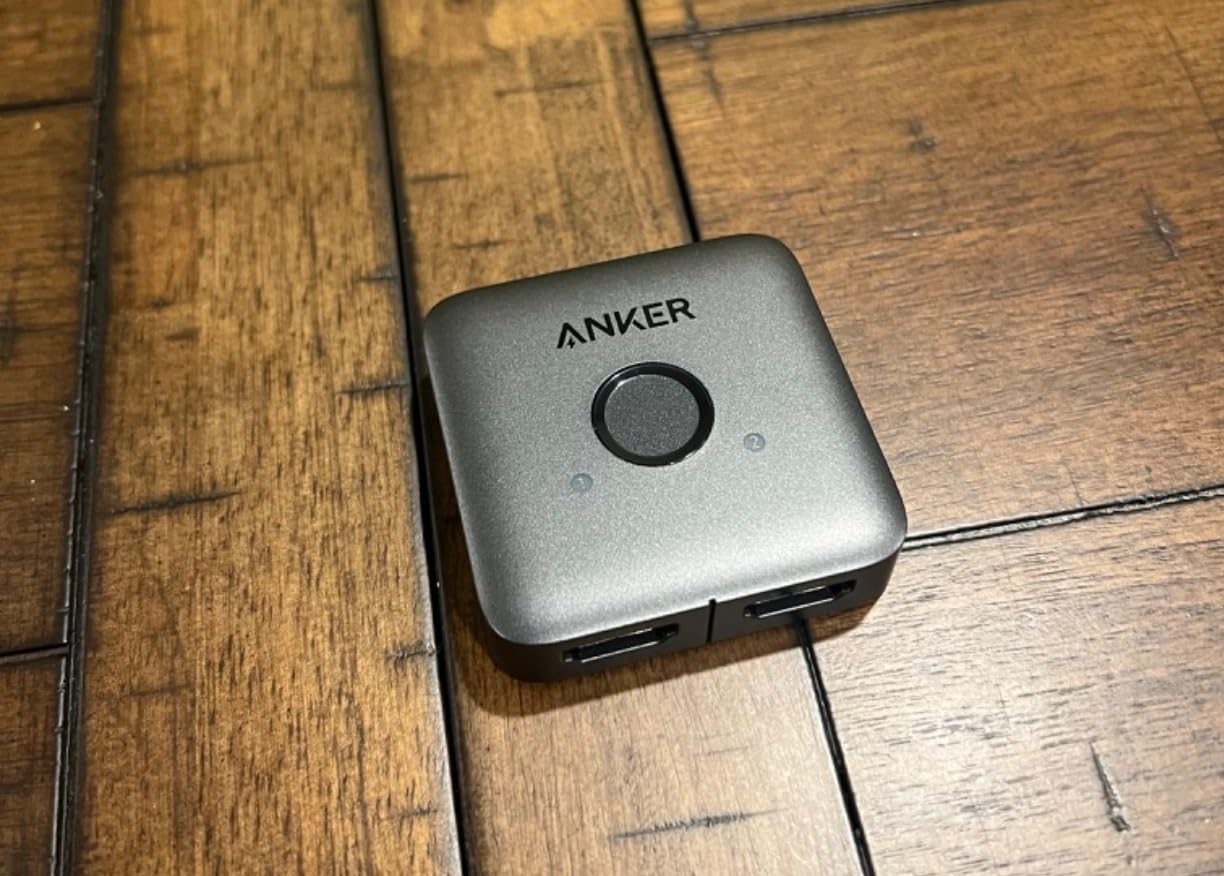
The HDMI switch has become a desktop staple for users who rely on one monitor but rotate between several input sources throughout the day. A MacBook might dominate work hours, but evenings bring a console or streaming device into rotation. Without a switch, this requires physically swapping cables or navigating monitor input menus repeatedly—a small task that compounds into daily friction when repeated across months.
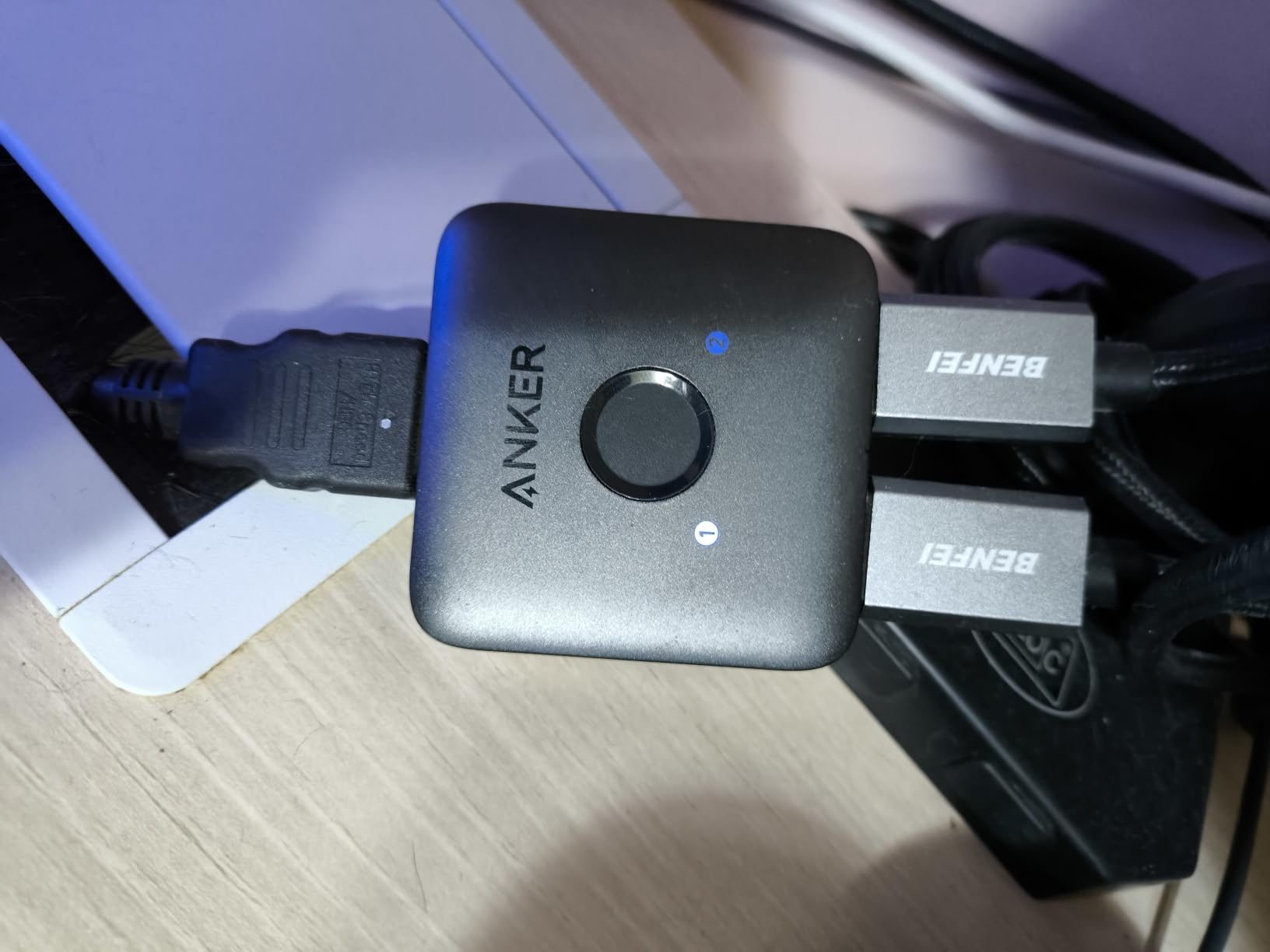
What’s notable is how this behavior reflects a broader shift in how people structure their desk environments. The MacBook is no longer the sole device competing for screen space. It’s one node in a multi-device ecosystem where the display itself has become the scarce resource, not the computer. Apple’s hardware philosophy has long favored simplicity and reduction, but user behavior has moved toward diversification. The MacBook remains central, but it no longer monopolizes the screen.
This creates a subtle tension. macOS assumes the MacBook is either standalone or the primary device in any connected setup. But many users are now treating their MacBook as one input among several, equal in priority to other devices that share the same display. The HDMI switch doesn’t solve a problem Apple acknowledges—it solves a problem users created by refusing to limit their desktop to a single-device workflow.
SIMILAR
Why iPhone users are carrying standalone noise machines instead of relying on sleep apps
Apple Watch charging became a bedside ritual, here's why the placement matters more than expected
iPhone users are quietly giving up the cable and most dont realize why it happened so gradually over time
The switch also reflects the persistence of HDMI as a standard. Apple has pushed USB-C and Thunderbolt as the future, but the broader consumer electronics ecosystem hasn’t followed at the same pace. Gaming consoles, streaming devices, and older monitors still rely on HDMI, and users are bridging that gap with hardware rather than waiting for Apple to accommodate it. The result is a desktop setup that feels less integrated and more improvised, even as it functions smoothly.
The shift also highlights how users prioritize flexibility over aesthetics. A small HDMI switch introduces visible cable clutter and an extra device on the desk, but it eliminates the need to physically access ports or navigate monitor settings. For users who toggle inputs multiple times a day, the tradeoff is immediate and undeniable. The clean desk ideal gives way to functional efficiency.
Previously listed near $16, current listings of these compact two-input switches with 4K support now appear closer to $10, reflecting both widespread adoption and the normalization of multi-device desktop workflows that Apple’s hardware hasn’t fully addressed.
"Note: Readers like you help support The Apple Tech. We may receive a affiliate commission when you purchase products mentioned on our website."