The shift to AirPods and wireless earbuds promised liberation from cables and freedom to move through spaces without tethering to a device. But something was lost in that transition. Shared audio disappeared. Music became a private experience, confined to individual ears rather than filling a room. Many iPhone users are now reversing that trend, not by abandoning wireless earbuds, but by adding stationary speakers back into their spaces—speakers that serve as both audio output and phone stands.
The combination of speaker and stand reflects a specific behavioral pattern. The iPhone spends much of its day sitting idle on a desk or nightstand, not in use but not fully put away. A standalone speaker requires a separate surface and a conscious decision to connect. A speaker-stand hybrid collapses those steps. The phone rests in a visible, accessible position, and audio plays without requiring additional setup. The friction of playing shared audio drops to nearly zero.
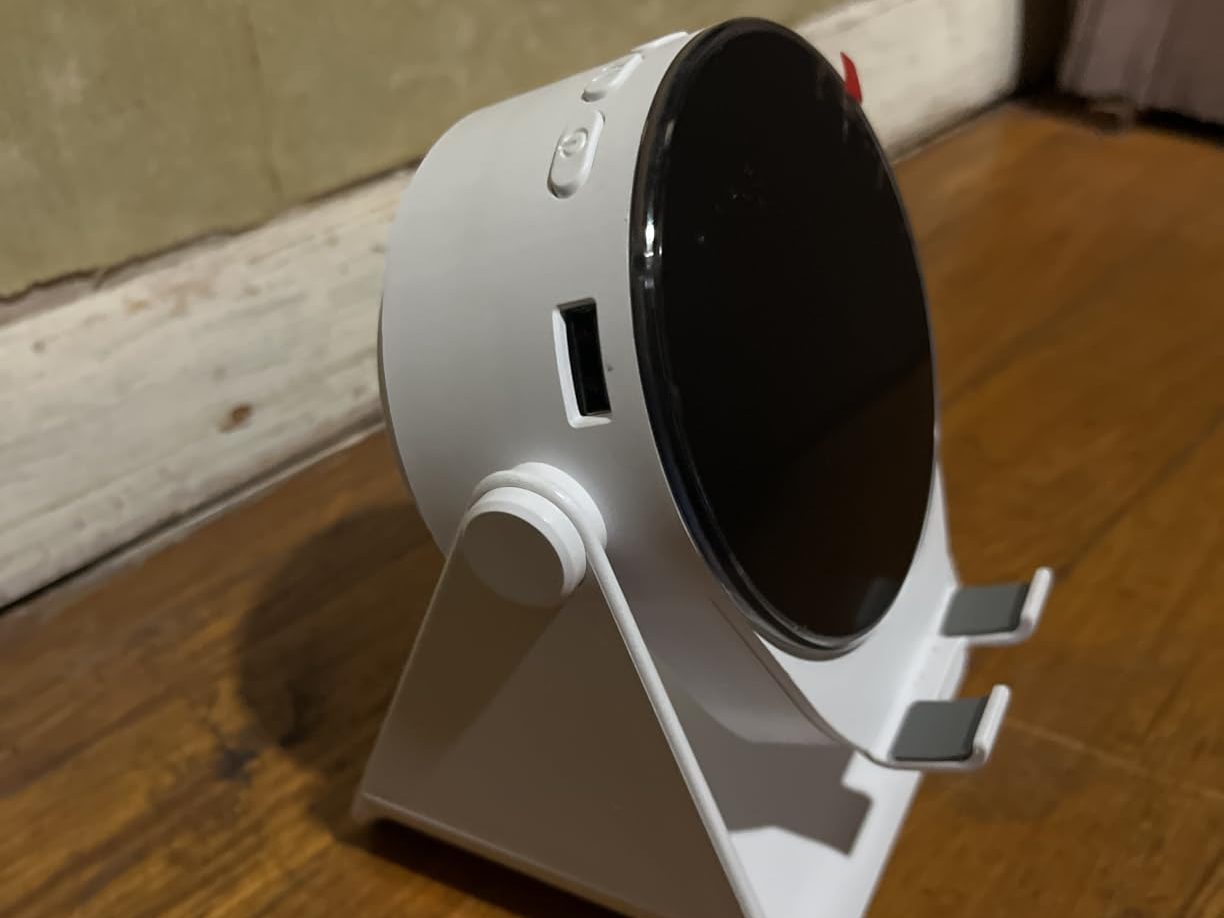
This shift is most evident in spaces where people spend extended time but aren’t actively working—kitchens, bedrooms, living areas. In these contexts, the iPhone often sits nearby, serving as a timer, message display, or background music source. Wireless earbuds don’t fit these situations. The audio needs to be ambient, not immersive. The speaker-stand creates a default state where the phone is always ready to fill the room with sound, transforming the device from a personal gadget into a shared presence.
The induction charging feature has accelerated adoption. Early speaker docks required cables, which meant the phone’s battery would drain if left playing audio for extended periods. Wireless charging eliminates that concern, allowing the phone to remain on the stand indefinitely, always charged and always available. The speaker becomes infrastructure rather than an accessory—something the phone interacts with passively rather than something the user must actively manage.
SIMILAR
Why iPhone users are carrying standalone noise machines instead of relying on sleep apps
Apple Watch charging became a bedside ritual, here's why the placement matters more than expected
iPhone users are quietly giving up the cable and most dont realize why it happened so gradually over time
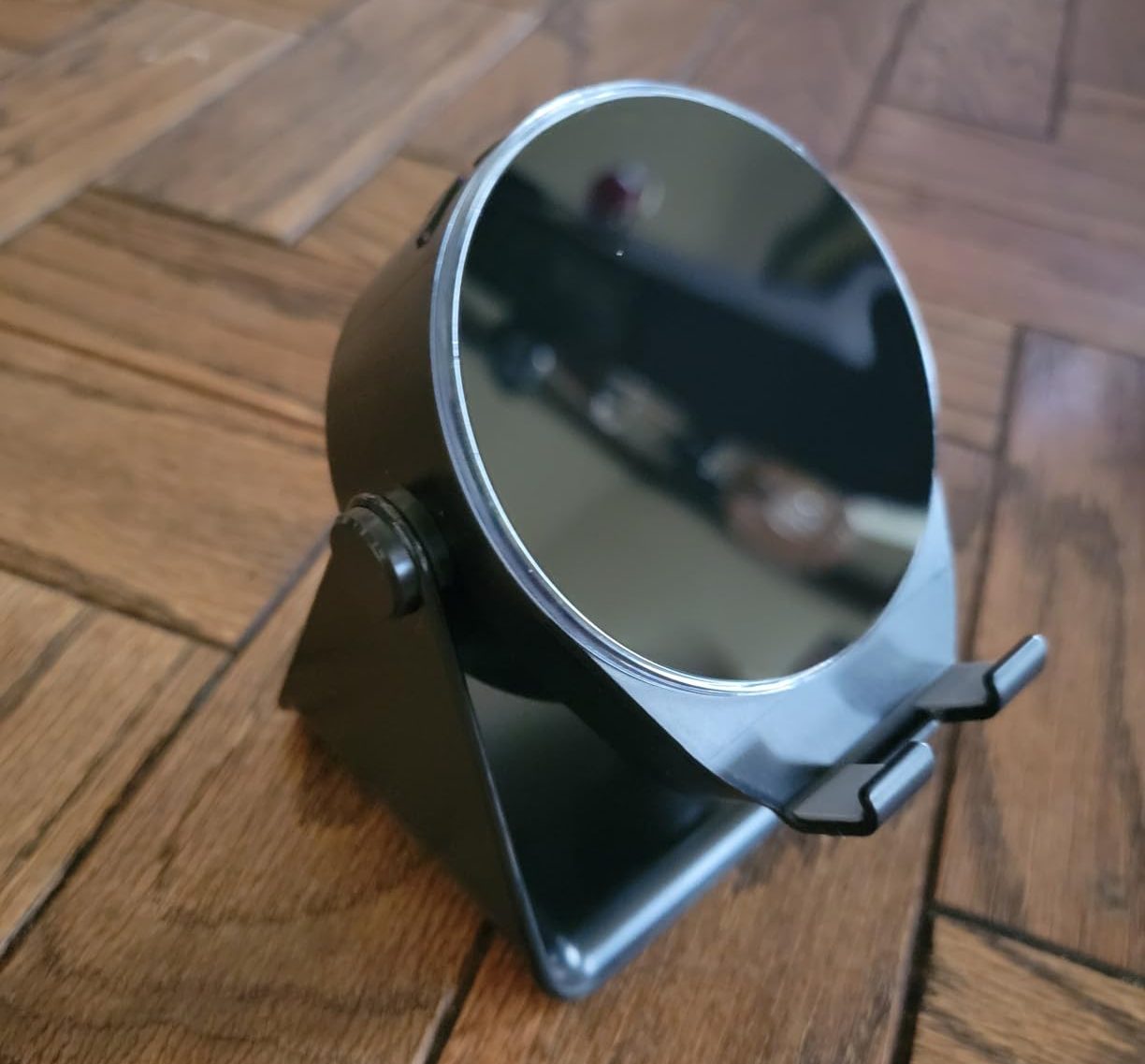
The rotating stand feature also addresses a behavioral tension. The iPhone is both a communication device and an entertainment screen, and these roles require different orientations. A fixed stand forces compromise—either the phone is angled for video calls but awkward for watching content, or vice versa. A rotating stand allows users to adjust on the fly, acknowledging that the phone’s role shifts frequently throughout the day. The speaker doesn’t interfere with this flexibility—it simply remains present regardless of how the phone is positioned.
What’s striking is how this behavior contradicts Apple’s move toward distributed audio. HomePod and spatial audio in AirPods represent Apple’s vision for how sound should exist in relation to Apple devices—either immersive and personal, or smart and voice-controlled. But many users want something simpler. They want the iPhone to play audio through a speaker in the same room without requiring a separate ecosystem device or voice commands. The speaker-stand delivers that simplicity.
The broader implication is that users are reclaiming some of the behaviors that wireless technology disrupted. Shared audio, visible device placement, and stationary charging were all common before wireless became ubiquitous. The speaker-stand doesn’t represent a rejection of wireless technology—it represents a recognition that not every moment benefits from total portability. Sometimes the phone needs a place to live, and that place should do more than just hold it.
Previously listed near $24, current listings of these models with wireless charging and rotating stands now appear closer to $10(CODE WBWCGP85), reflecting both market saturation and the recognition that speaker-stands have become a standard accessory category rather than a novelty item.
"Note: Readers like you help support The Apple Tech. We may receive a affiliate commission when you purchase products mentioned on our website."