
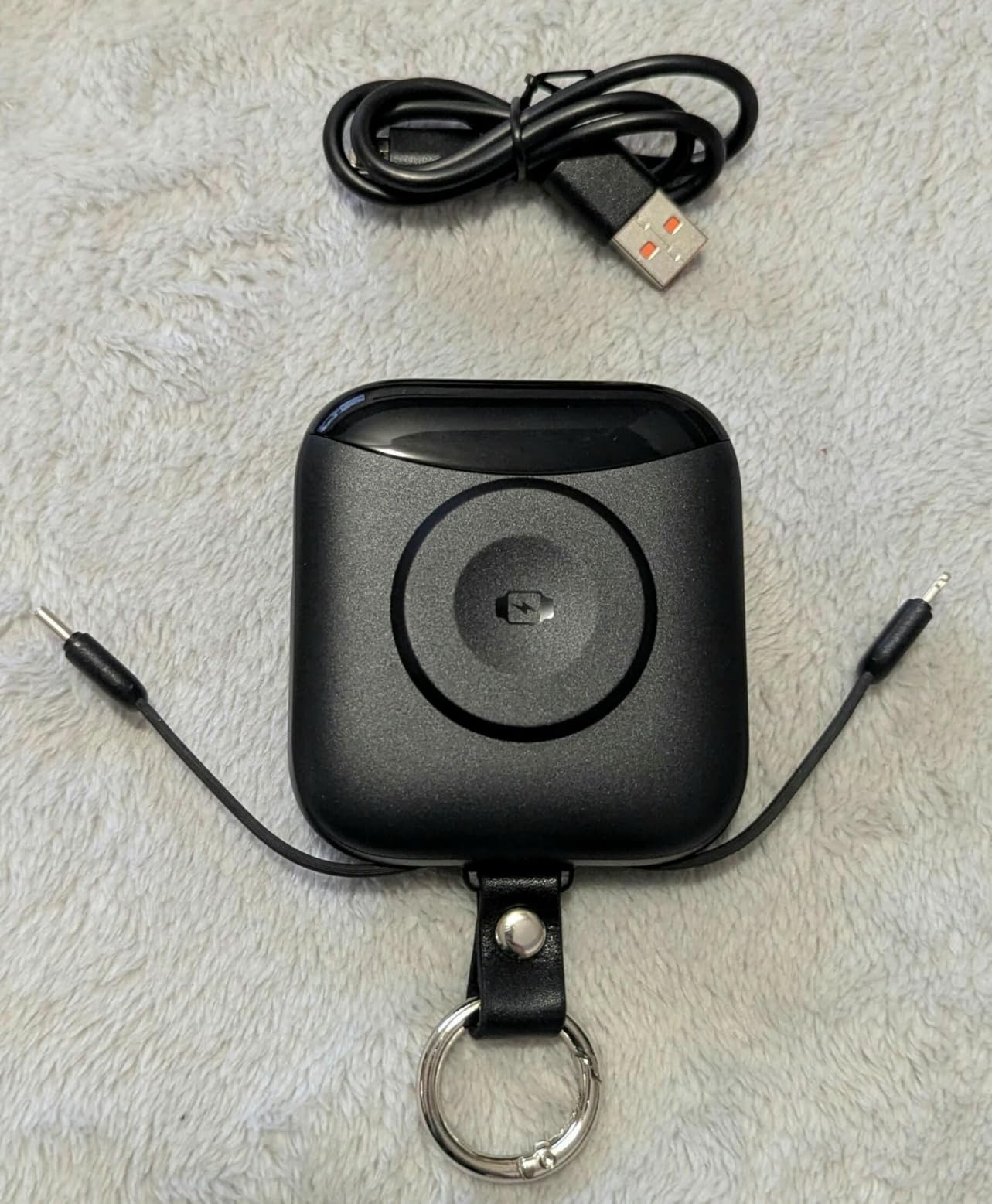
Portable batteries with built-in cables solved a problem that was less about capacity and more about forgetting. The person who remembered to pack a battery pack but left the charging cable on their desk was stranded anyway. Integrating the cable into the battery removed that failure point. It also created a new object that felt more like a finished tool than a collection of parts.
The Apple Watch charging feature appeared in a category that had been purely phone-focused. That addition reflected a shift in how people thought about the Watch’s battery life. A few years ago, the Watch reliably lasted all day. But as users enabled more features—always-on displays, workout tracking, sleep monitoring—the battery started running out before bedtime. Charging mid-day became a real behavior, especially for people wearing the Watch overnight for sleep tracking.
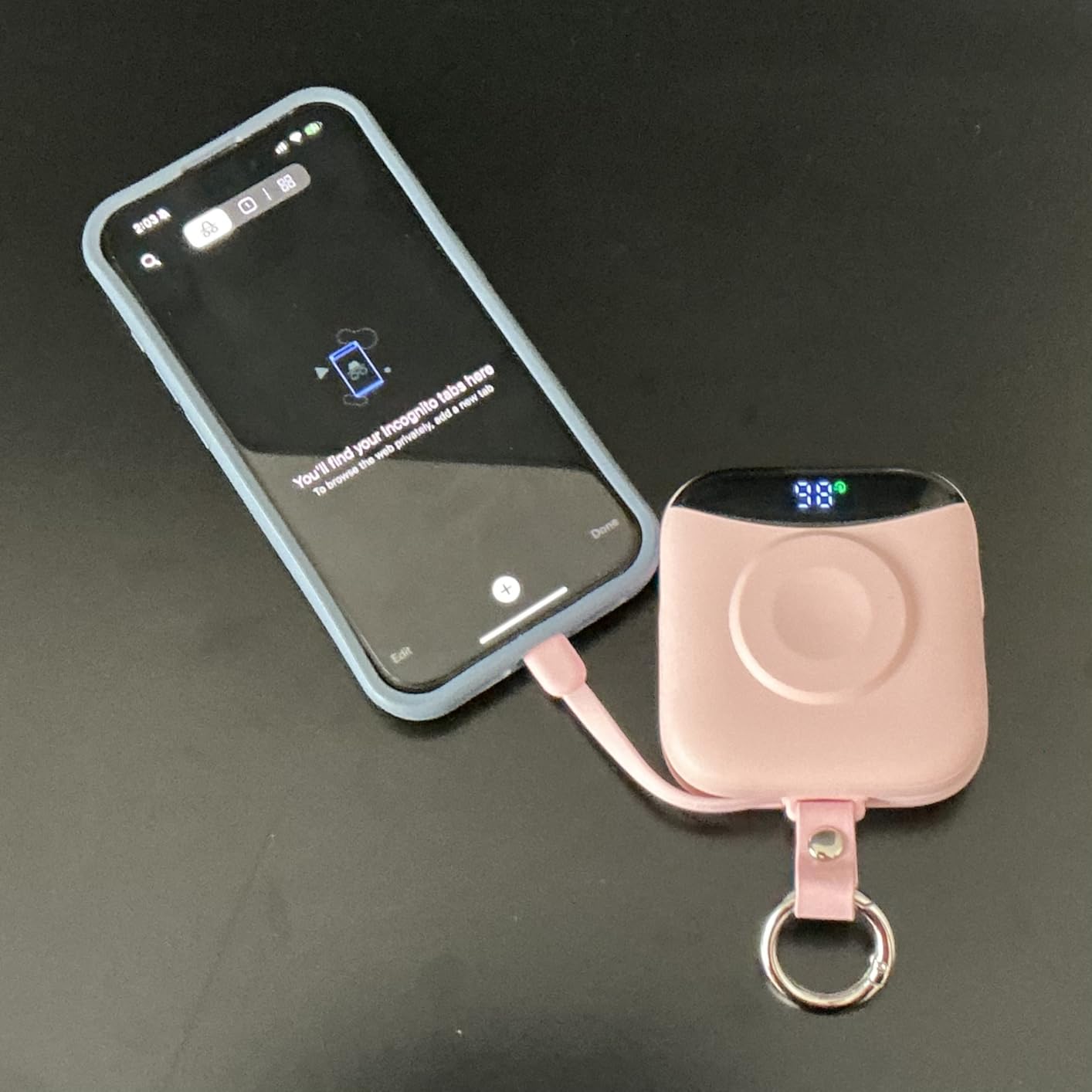
The LED display was a minor detail that became surprisingly important. A battery pack without a display required guessing how much charge remained. A display with a percentage gave clarity, which changed how people used the pack. They knew whether they had enough power to charge both a phone and a Watch, or whether they needed to prioritize. That visibility made the pack feel less like a gamble and more like a managed resource.
Capacity and weight sat in constant tension. A 10,000mAh pack could charge an iPhone multiple times, but it also meant carrying something noticeably heavy in a pocket or bag. People who used these packs daily often wished they were lighter; people who used them occasionally wished they held more charge. There was no perfect middle—just trade-offs that different users weighted differently.
SIMILAR
iPhone and MacBook users are compensating for a port problem Apple created
iPhone users are eliminating the tangled cable from every car charging session
iPhone users are transforming nightstands into silent charging infrastructure
The built-in cables introduced a durability concern. A detachable cable could be replaced if it frayed; a built-in cable meant the entire battery pack became useless if the cable failed. Some users treated the cables carefully, coiling them loosely and avoiding sharp bends. Others used them roughly, and the packs wore out faster. The integrated design created convenience but also made the product less repairable.
The purple color suggested the pack was aimed at users who wanted something that didn’t look like standard tech gear. Black and gray packs blend into bags; brighter colors make a statement. The choice reflected whether someone saw the pack as a functional object to be hidden or an accessory to be carried openly. The color also made it easier to spot in a cluttered bag, which was a practical advantage even if it wasn’t the primary reason someone chose it.
Pricing reflects the added complexity. Previously listed at $39.99, current listings hover around $29.98. That’s more than a basic battery pack without built-in cables, but the premium reflects the convenience. People who bought these packs often did so after experiencing the frustration of having a battery pack and no cable, and the extra cost felt like insurance against repeating that mistake.
The real behavioral shift was subtle. These packs enabled people to treat their devices as always available rather than carefully managed. The Watch could be charged during a lunch break, the iPhone topped off during a commute. The constant availability reshaped expectations—devices were supposed to be ready whenever needed, and the battery pack was the infrastructure that made that possible.
"Note: Readers like you help support The Apple Tech. We may receive a affiliate commission when you purchase products mentioned on our website."