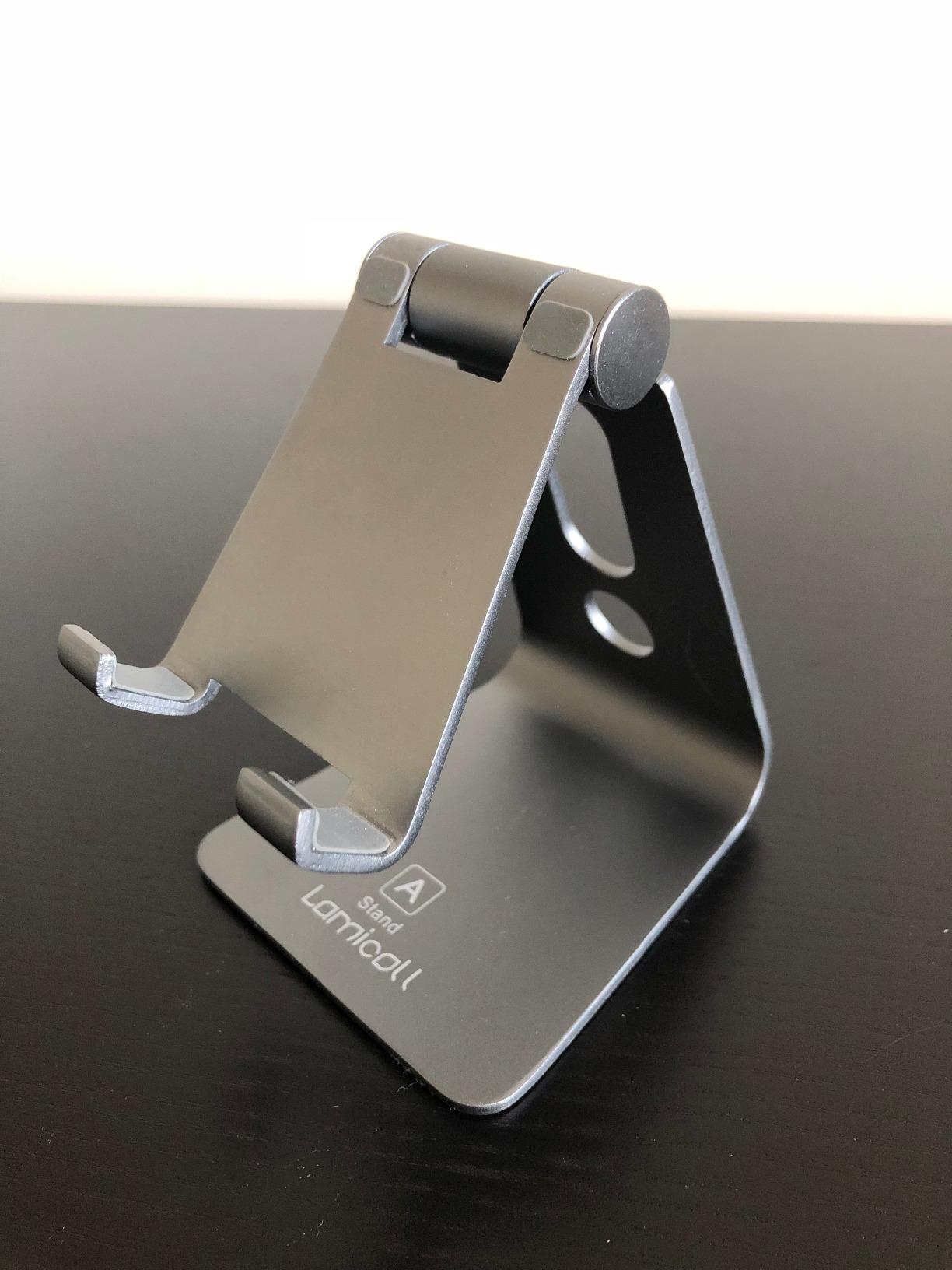
The desk phone stand emerged as a work-from-home artifact, but it outlasted the conditions that made it popular. Initially, people propped iPhones upright for video calls, trying to get a better angle than a flat phone on a desk could provide. But even after video calls became less frequent, the stands stayed. The phone in an upright position turned into a passive display, a surface that showed notifications, messages, and calendar alerts without requiring interaction.
Adjustability mattered in ways that weren’t obvious at first. A fixed-angle stand worked for video calls but was awkward for watching videos or following a recipe. An adjustable stand could tilt to different angles depending on the task. That flexibility meant the stand became useful in more contexts, which increased the likelihood it would stay on the desk permanently rather than being put away between uses.
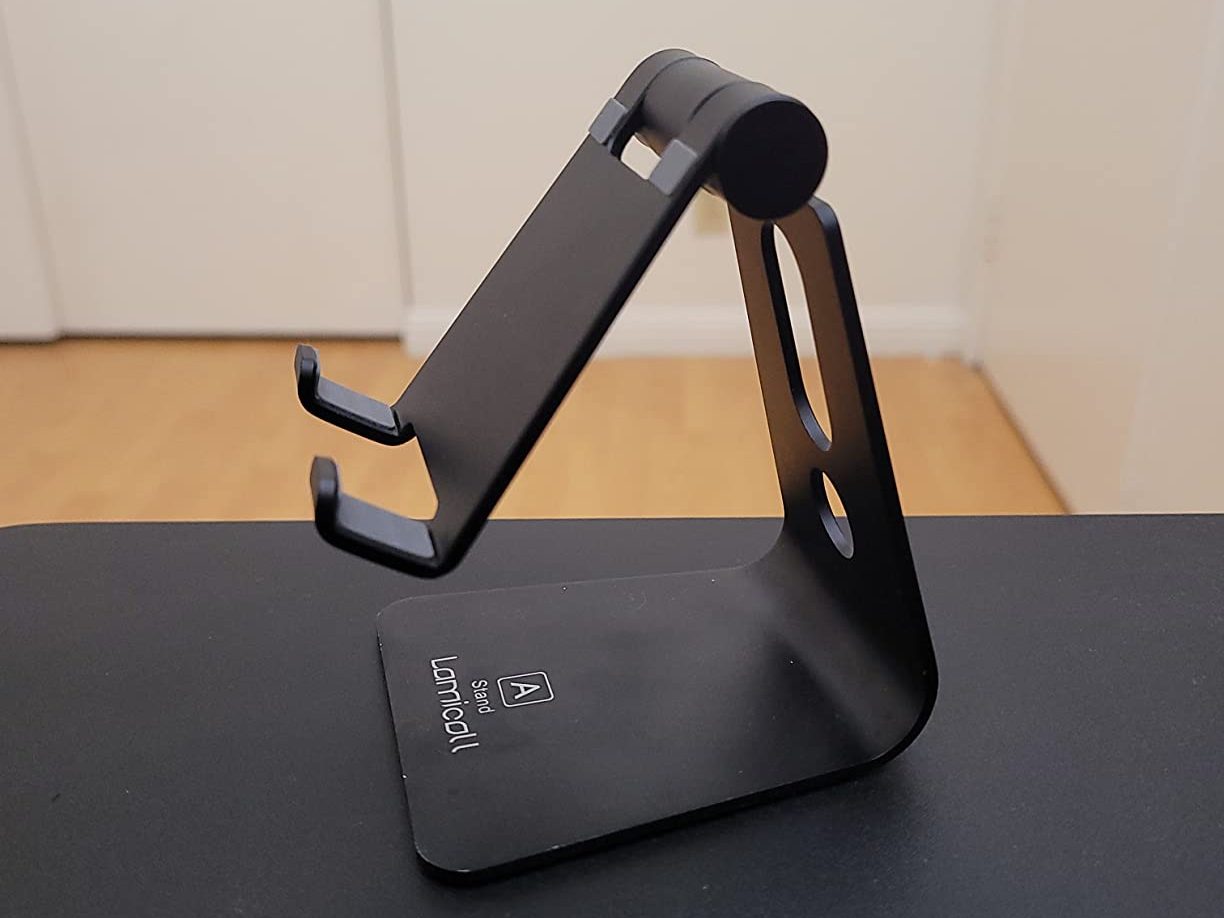
The phone’s orientation shifted how people interacted with it. Flat on a desk, the phone demanded full attention—picking it up, unlocking it, reading, putting it back down. Upright, the phone could be checked with a glance. Notifications were visible without touch. The device became ambient, part of the visual field without being the focus of it. That shift reduced the number of times people fully engaged with the phone, but it increased the number of times they looked at it.
Desk aesthetics played a surprising role. A black metal stand on a wood desk looked intentional, like part of a curated workspace. A brightly colored plastic stand looked temporary. People who cared about how their desks appeared in video call backgrounds often chose stands that matched their other desk accessories. The stand became part of the visual presentation of the workspace, not just a functional object.
SIMILAR
iPhone and MacBook users are compensating for a port problem Apple created
iPhone users are eliminating the tangled cable from every car charging session
iPhone users are transforming nightstands into silent charging infrastructure
The four-to-eight-inch phone compatibility range covered most iPhones and many Android devices, but it also included smaller tablets. Some people used these stands for iPad minis or Kindles, treating them as general-purpose device holders rather than phone-specific accessories. That flexibility extended the stand’s usefulness, especially in households where multiple people used the same desk at different times.
Stability became a friction point. A stand that wobbled when the phone was touched felt cheap and unreliable. A stable stand allowed for interacting with the phone—typing a quick reply, dismissing a notification—without needing to hold it. That distinction affected whether the stand felt like a useful tool or an annoying obstacle. The best stands were the ones that disappeared, that let the phone be used without calling attention to the stand itself.
Pricing made the category accessible. Previously listed at $12.99, current listings hover around $9.98. That’s low enough that people bought multiples—one for a home office, one for a bedroom, one for a kitchen counter. The stand became a distributed solution, appearing wherever someone wanted a phone to sit upright for extended periods.
The unintended consequence was a shift in phone posture. People who used stands developed a habit of placing phones upright by default, even in places where a stand wasn’t present. The phone leaning against a water bottle or a book became a common sight. The stand created a behavior pattern that persisted even when the stand itself wasn’t there.
"Note: Readers like you help support The Apple Tech. We may receive a affiliate commission when you purchase products mentioned on our website."