

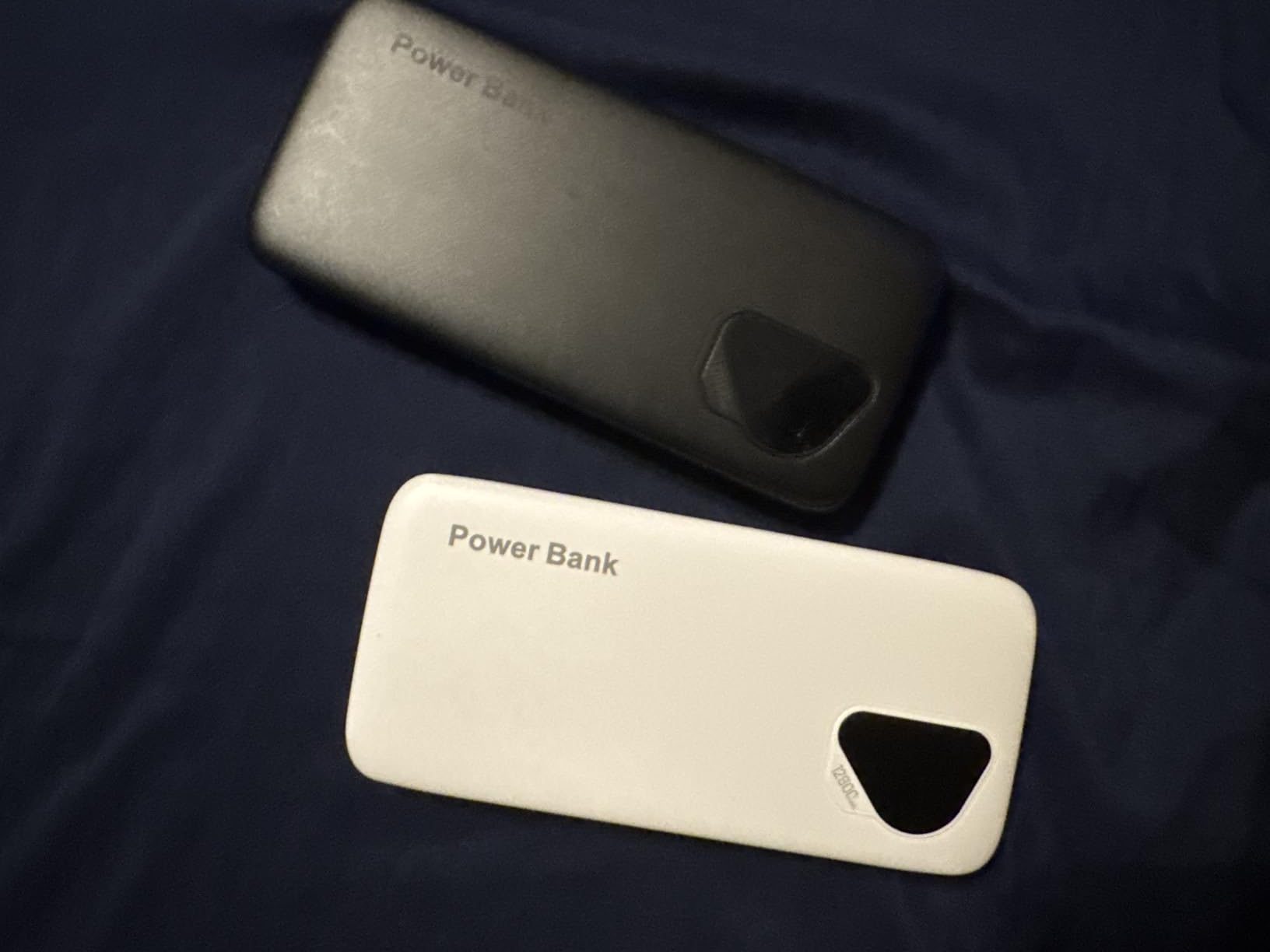
Portable chargers have been a staple of iPhone ownership since battery life became a daily concern. But the early versions required users to bring their own cables, creating a secondary failure point: the battery pack was useless if the Lightning or USB-C cable was left at home. Integrated cable designs solved that problem by making the cord a permanent fixture, but they also introduced a new set of tradeoffs.
The most immediate benefit is reduction of variables. A battery pack with built-in cables is a single object. There’s nothing to forget, nothing to untangle, and nothing to lose in the bottom of a bag. For travelers, this is a meaningful simplification. Airport charging becomes a matter of pulling out one item instead of two. The mental load drops slightly, and over repeated trips, that reduction compounds.

But the cable’s permanence is also its vulnerability. A loose cable in a bag can be replaced. A cable molded into the battery pack cannot. If the cable frays, snags, or stops transmitting data, the entire unit is compromised. Some designs attempt to mitigate this with retractable mechanisms, but retraction introduces its own failure modes—springs weaken, plastic housings crack, and cables that retract unevenly create stress points that accelerate wear.
Capacity is the other consideration. A 12,800mAh battery pack can recharge an iPhone multiple times, but that capacity comes with weight and bulk. The trade-off is portability versus endurance. A slimmer pack fits in a jacket pocket but might only provide one full charge. A higher-capacity unit requires dedicated bag space. The built-in cable doesn’t change this calculus, but it does make the choice more permanent—once you’ve committed to a specific pack, swapping it out for a different capacity means adapting to a new cable configuration.
SIMILAR
iPhone and MacBook users are compensating for a port problem Apple created
iPhone users are eliminating the tangled cable from every car charging session
iPhone users are transforming nightstands into silent charging infrastructure
Output count also matters. A pack with four outputs can charge multiple devices simultaneously, but that assumes the user is carrying multiple devices or traveling with others. In practice, most people charge one device at a time, which means three of those outputs go unused most days. The feature exists for edge cases, but those edge cases define whether the pack feels versatile or overbuilt.
Previously listed at $24.99, current listings hover around $22.49, situating this category in the mid-range of portable iPhone charging solutions. The pricing reflects a market where integrated cables are no longer experimental but expected, and where competition has pushed capacity upward without drastically increasing cost.
The broader implication is that portability is no longer just about size—it’s about dependency. A battery pack with built-in cables reduces what you need to carry, but it also reduces flexibility. You can’t swap cables if one stops working. You can’t lend a cable to someone without handing over the entire pack. The integration that makes the device convenient also makes it fragile in ways that aren’t obvious until something breaks.
The cable is always there, which solves one problem. But permanence, in this case, is a bet that nothing will go wrong. And in the long arc of device ownership, that’s a bet that doesn’t always pay off.
"Note: Readers like you help support The Apple Tech. We may receive a affiliate commission when you purchase products mentioned on our website."