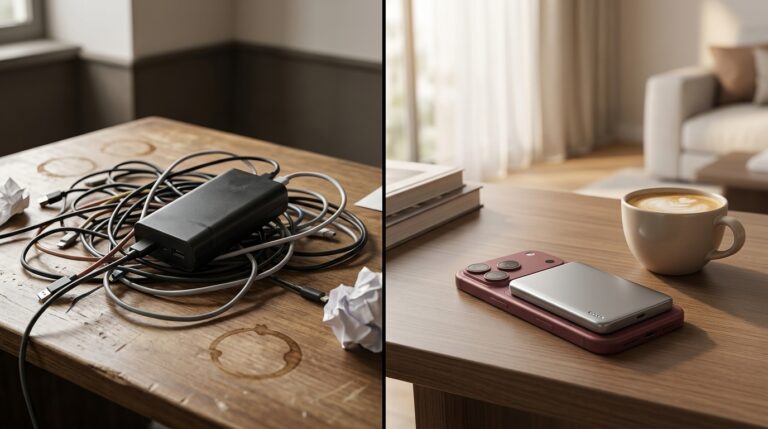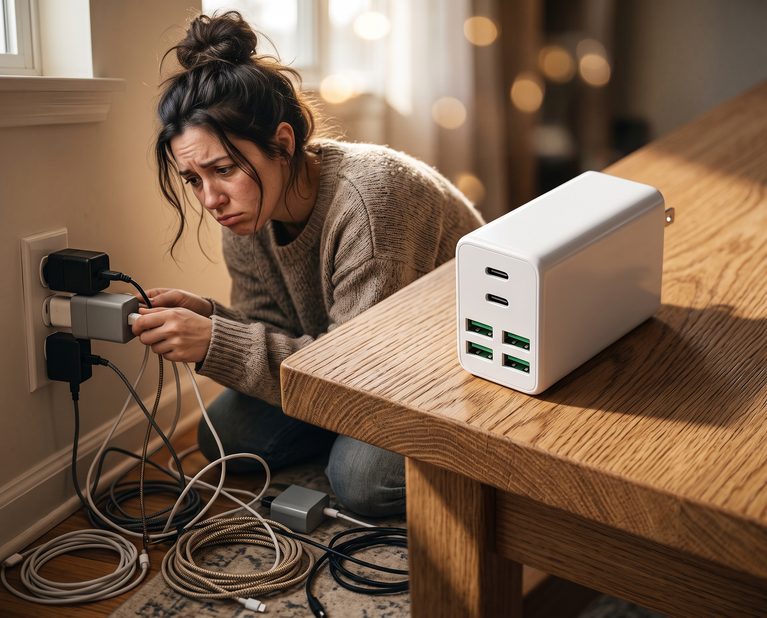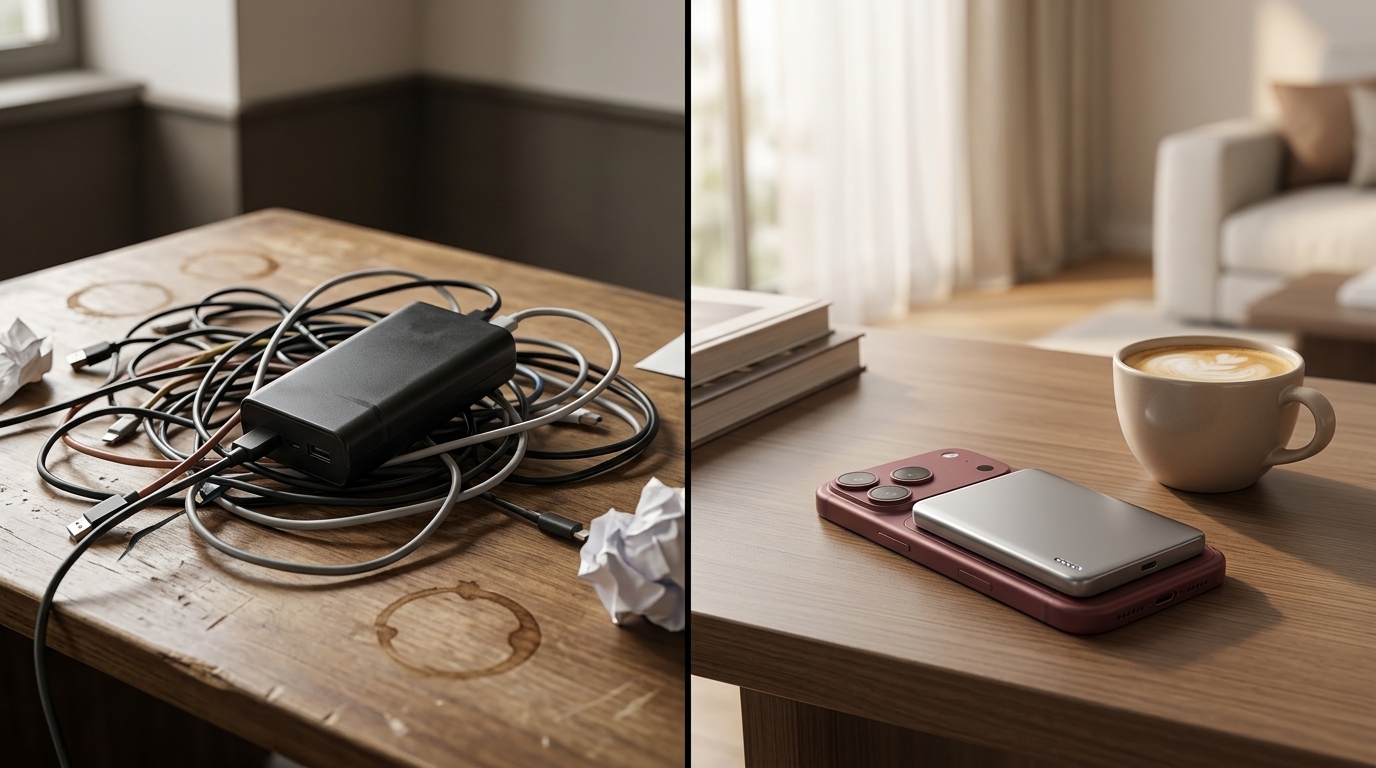
Apple’s transition to USB-C across the iPhone line was framed as a unification moment—one cable to rule them all. Yet the ecosystem’s gravitational pull toward wireless charging has left a peculiar gap in the middle: users who need reliable, fast charging but find themselves constantly negotiating between MagSafe pucks, Lightning-to-USB-C dongles from older devices, and an ever-growing pile of third-party cables that may or may not deliver the wattage they promise.
The behavioral shift is subtle but persistent. iPhone owners now mentally triage their charging situations before leaving the house. Is this a day-trip scenario where wireless will suffice? A work-from-café situation requiring a fast top-up? Or a long-haul flight where every percentage point demands a wired connection and a power bank robust enough to survive a transatlantic slog?
This isn’t a spec-sheet problem. It’s a friction problem. The ecosystem delivers fast wireless charging at home, decent wired charging in the car, and inconsistent performance everywhere else. The result is a kind of charging anxiety—a low-level hum of uncertainty about whether the gear in your bag will actually meet the moment.
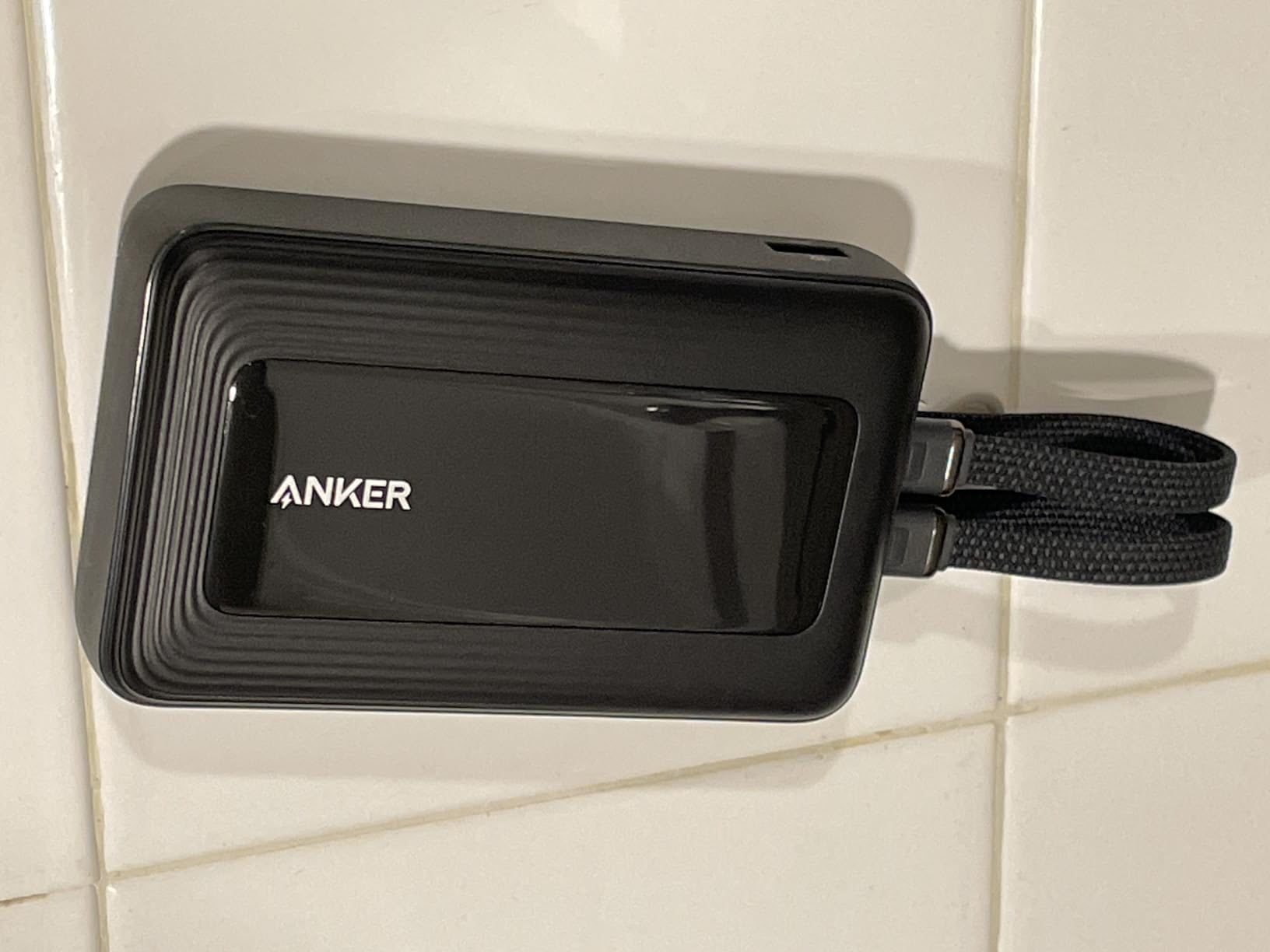
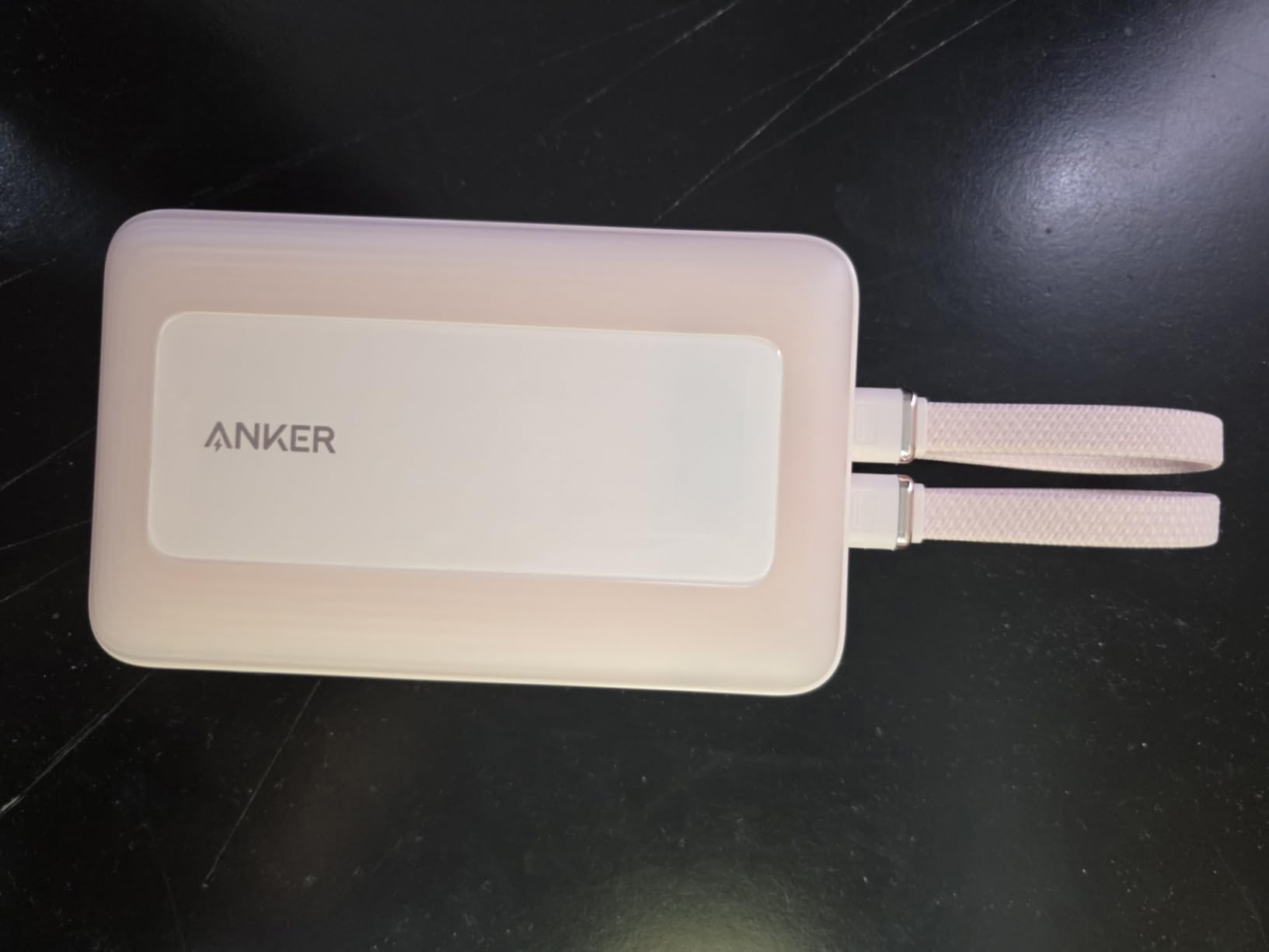
Power banks have evolved in response. The latest iterations carry built-in cables, eliminating the dongle hunt. They offer dual USB-C and USB-A ports, hedging against the lingering presence of older devices. And they deliver wattage high enough to charge not just an iPhone, but an iPad or even a MacBook in a pinch. It’s a Swiss Army Knife approach to a problem Apple hasn’t fully solved.
SIMILAR
iPhone and MacBook users are compensating for a port problem Apple created
iPhone users are eliminating the tangled cable from every car charging session
iPhone users are transforming nightstands into silent charging infrastructure
What’s interesting is how this mirrors the broader Apple ecosystem tension: the company builds toward an idealized future—wireless, seamless, frictionless—while users remain anchored in a present defined by compatibility, redundancy, and the pragmatic need to charge multiple devices across multiple contexts. The gap between vision and habit widens quietly.
Previously listed at $49.99, current listings hover around $35.99. That pricing reflects a commoditization of high-capacity charging—no longer a luxury accessory, but a baseline expectation for anyone managing more than one Apple device across a day’s worth of movement.
The promise was fewer cables, but the reality is just more deliberate planning about which cables to carry and when. And for now, that planning remains the user’s job, not the ecosystem’s.
"Note: Readers like you help support The Apple Tech. We may receive a affiliate commission when you purchase products mentioned on our website."