

The iPhone case used to be a simple transaction. You chose a material, a color, and a level of drop protection. The case either fit or it didn’t. That calculus has changed. Now, cases advertise MagSafe compatibility as a primary feature, sometimes before mentioning protection at all.
What MagSafe introduced was a magnetic grid embedded in the back of the iPhone, precisely aligned to snap accessories into place. Chargers, wallets, battery packs, car mounts—all of them rely on that circular array of magnets. A case that blocks or weakens the magnetic field renders the entire ecosystem useless. So cases adapted.
The adaptation isn’t trivial. Integrating MagSafe into a protective case means embedding magnets in the exact configuration Apple uses, ensuring they’re strong enough to hold accessories but not so strong that they interfere with wireless charging. The case material has to be thin enough to allow magnetic coupling but thick enough to absorb impact. It’s a tighter design constraint than earlier cases ever faced.
What’s emerged is a kind of accessory dependency. The case doesn’t just protect the iPhone 17 Pro—it enables a specific set of behaviors. Snapping the phone onto a charger without fumbling for a cable. Attaching a wallet without adding bulk. Mounting the phone in a car without a clip or cradle. The case becomes the interface between the phone and the broader MagSafe universe.
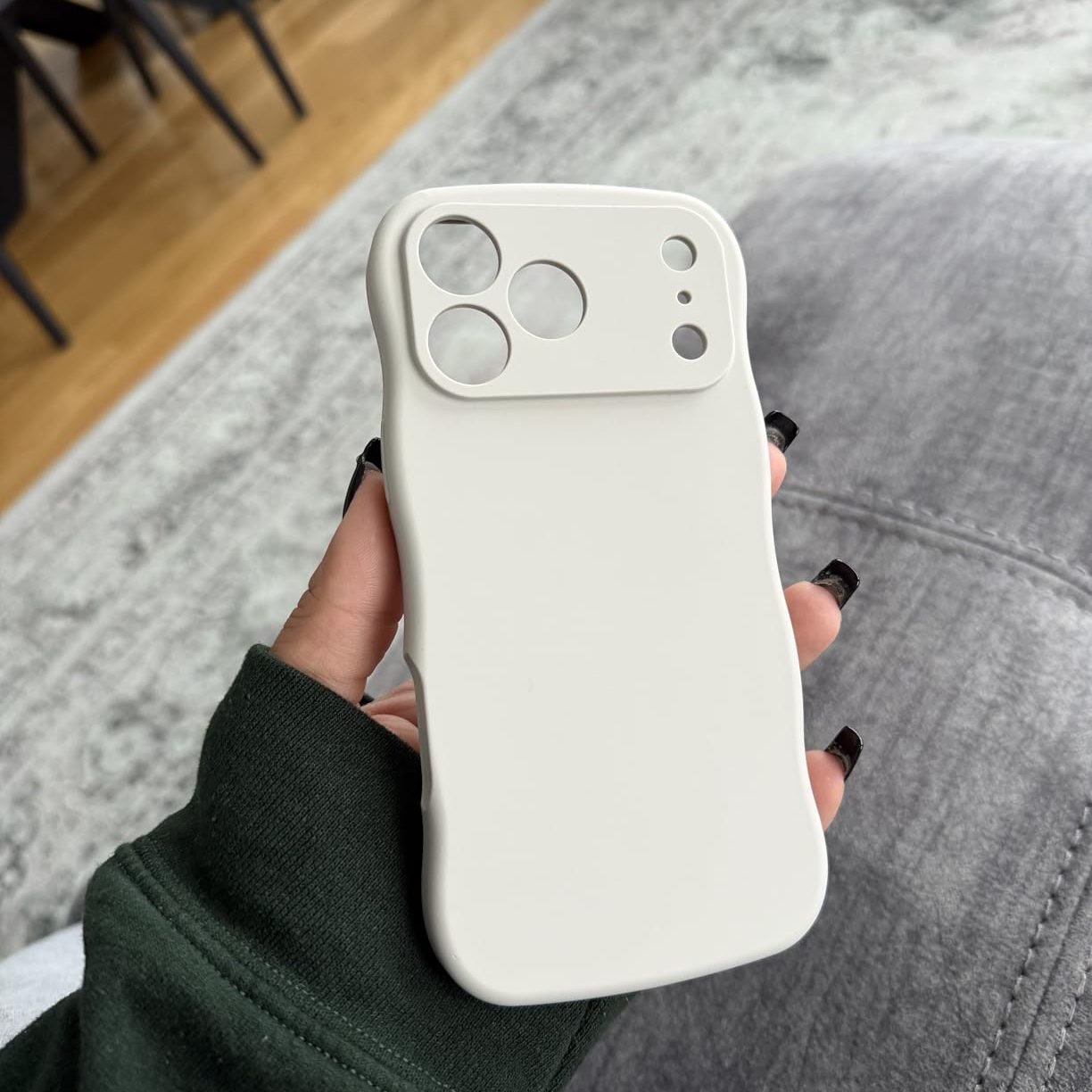
There’s also an aesthetic dimension. The wave-frame silicone design mentioned in some listings reflects a trend toward cases that acknowledge their visibility. The iPhone isn’t hidden away. It’s on display, and the case is part of that display. The color matters. The texture matters. The case is no longer purely functional. It’s expressive.
But the MagSafe integration introduces a subtle lock-in. Once you’ve adopted MagSafe accessories, switching to a non-MagSafe case feels like a step backward. You lose the convenience of magnetic attachment. You lose the precision of alignment. The case stops being optional and starts being essential to maintaining the ecosystem you’ve built around the phone.
Full camera protection is listed as a feature, which is telling. The camera bump on the iPhone 17 Pro is significant, and the case has to account for it. A raised lip around the camera island prevents the lenses from making contact with flat surfaces, but it also adds thickness. The case is balancing competing demands: slim enough for MagSafe, thick enough for protection, structured enough to shield the camera.
Previously listed at $19.99, current listings hover around $17.99. The price reflects the added complexity of MagSafe integration, but the real shift is behavioral. The case isn’t just about preventing cracks anymore. It’s about preserving access to a charging and accessory ecosystem that has become central to how iPhone users interact with their devices daily.
"Note: Readers like you help support The Apple Tech. We may receive a affiliate commission when you purchase products mentioned on our website."