


The Apple Pencil is exceptional. It’s pressure-sensitive, responsive, and integrates seamlessly with iPadOS. It’s also expensive, especially when factoring in the different versions required for different iPad models. The first-generation Pencil works with older iPads but charges awkwardly via Lightning. The second-generation magnetically attaches and charges wirelessly, but only works with newer models. The Apple Pencil Pro adds more features but raises the price further. For casual users—students, note-takers, occasional artists—the investment is hard to justify.
The third-party stylus enters this gap. It’s compatible across iPad generations, from the 6th generation up through the latest models with M4 chips. It doesn’t require pairing. It doesn’t magnetically attach. It doesn’t offer pressure sensitivity or tilt recognition. But it writes, it draws, and it costs a fraction of the official version.
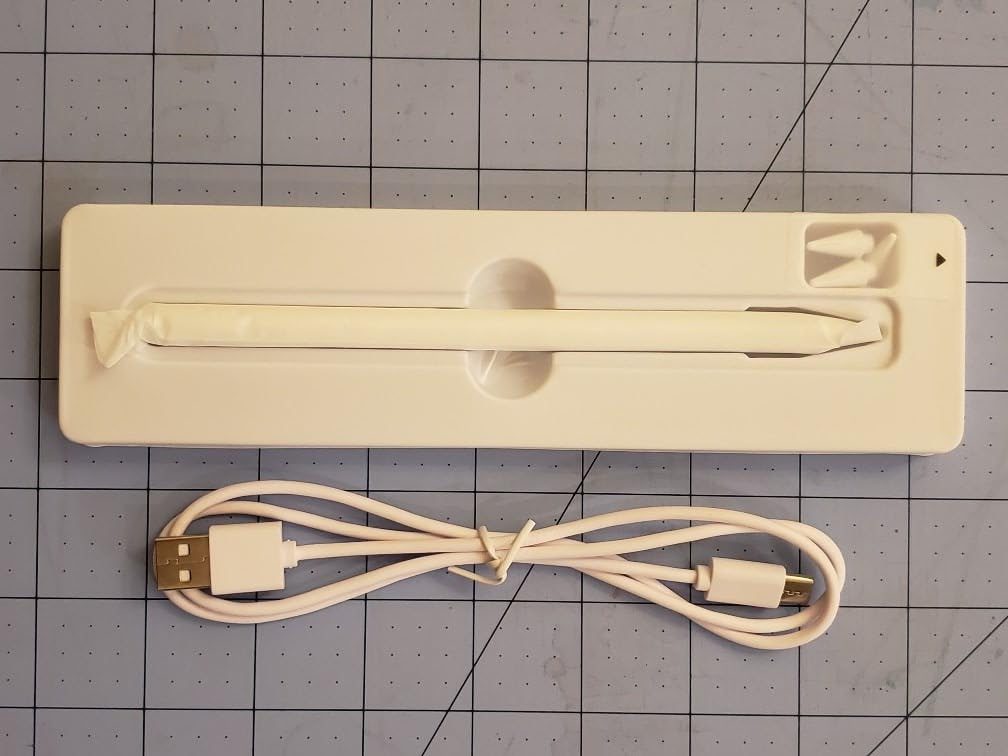
What this stylus represents is a different value proposition. It’s not for professional illustrators or designers who need the precision and feature set of the Apple Pencil. It’s for students annotating PDFs, teachers marking up documents, hobbyists sketching ideas, and casual users who want the tactile experience of writing on glass without committing to the Apple ecosystem’s premium tier.
The compatibility across models is key. A user with an older iPad Air doesn’t need to worry about which Pencil generation is supported. A family with multiple iPads doesn’t need multiple styluses. The third-party version works with all of them, which reduces friction and simplifies purchasing decisions. It’s universal in a way the Apple Pencil deliberately isn’t.
The white finish mentioned in some listings is an intentional design choice. It mimics the Apple Pencil’s aesthetic, signaling that this is meant to feel like an Apple product, even if it isn’t one. The stylus doesn’t try to differentiate itself visually. It tries to blend in, to be mistaken for the real thing at a glance. That mimicry is part of the appeal—it looks the part, even if it doesn’t cost the part.
What the third-party stylus can’t do is integrate with the iPad’s software in the same way. There’s no battery indicator in the status bar. No automatic pairing. No double-tap gesture to switch tools. These features exist only in the official Apple Pencil, and their absence is felt by users who’ve experienced them. But for users who haven’t, the absence isn’t a loss. It’s just a different experience.
The stylus also raises questions about planned obsolescence and ecosystem lock-in. Apple designs the Pencil to work with specific iPad models, which means upgrading the tablet sometimes means upgrading the stylus too. The third-party version sidesteps that, working across generations without requiring compatibility checks. It’s a hedge against the upgrade cycle, a way to extend the usability of older iPads without investing in new accessories.
Previously listed at $9.99, current listings hover around $8.99. The price is low enough that the stylus feels like a trial, not a commitment. Users can experiment with stylus input without the anxiety of having spent over a hundred dollars on an Apple Pencil they might not use frequently. And for many, that’s enough. The third-party stylus isn’t a replacement for the Apple Pencil. It’s an alternative for users who don’t need everything the Pencil offers, but still want something that works.
"Note: Readers like you help support The Apple Tech. We may receive a affiliate commission when you purchase products mentioned on our website."






