
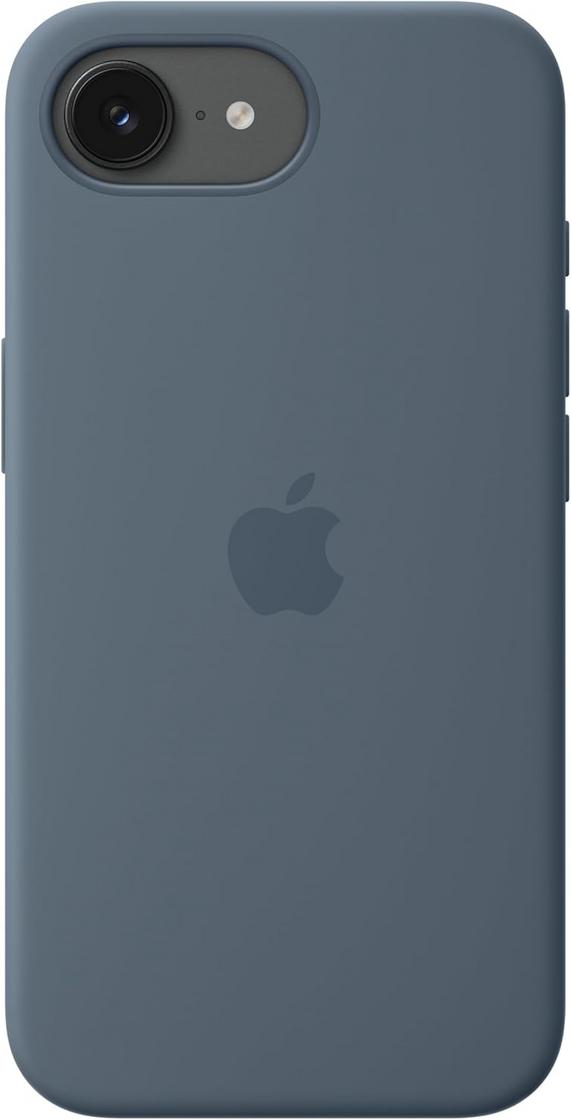
The iPhone, for many, is a near-constant companion, its sleek industrial design often shrouded by a case. This isn’t merely about protection; it’s about the altered tactile experience, the subtle shift in grip, and the new quiet confidence imbued in its daily handling. The choice of a case, particularly one designed by Apple, often speaks to a desire for continuity with the original design language, extending its ergonomic comfort.
Consider the countless times an iPhone is picked up and set down throughout a day. From a kitchen counter to a desk, from a car mount to a bedside table, each interaction involves a moment of placement. A well-fitting case becomes an almost invisible buffer, absorbing the micro-impacts of ordinary life, normalizing the routine of setting a several-hundred-dollar device down without a second thought. This creates a low-level friction reduction, making the interaction smoother, less hesitant.
The advent of MagSafe introduced a new layer of behavioral adaptation. No longer just a protective shell, the case now facilitates a magnetic ecosystem. The distinct snap as an iPhone aligns with a charger or a wallet accessory isn’t just a technical function; it’s a tiny, satisfying confirmation, a tactile cue that the device is correctly positioned, drawing power or securing an attachment. This ritual replaces fumbling with ports, embedding a new kind of intuitive interaction.
Battery anxiety is a pervasive undercurrent in modern life. The case often remains on during charging, making the MagSafe connection a seamless part of the power replenishment routine. Picture the iPhone settling onto a charging puck on a busy desk, or silently clinging to a stand overnight. The magnetic pull ensures optimal charging alignment without conscious effort, transforming a functional necessity into an almost unconscious, quiet dependence on the system.
The small physical details are where these habits truly manifest. Reaching out in the dim light of a bedroom, a hand finds the familiar contour of the cased iPhone on the nightstand. The slight friction of the silicone helps guide it into place on the MagSafe charger, a subtle haptic confirmation completing the action before sleep. There’s a particular reassurance in this practiced gesture, a quiet predictability that smooths the edges of an otherwise hurried day.
Over time, the case becomes an inseparable part of the iPhone experience, often outlasting the initial novelty of the device itself. It’s an unspoken agreement between user and technology: an invisible habit. The ecosystem of Apple devices, from AirPods to Apple Watch, reinforces this. The iPhone, protected and powered with ease, remains the central hub, its durability implicitly managed by these external layers, allowing for a broader focus on the tasks at hand.
This quiet integration permits subtle shifts in travel behavior and daily portability. Knowing an iPhone is protected encourages its placement in various bags or pockets, reducing the mental overhead associated with accidental damage. The case frees the user to focus on the destination, the conversation, or the task, rather than the vulnerability of the device itself.
Recent listings reflect reductions compared with earlier availability, suggesting a broader accessibility for those considering this particular mode of device protection and interaction. These shifts, while practical, subtly influence the choices made within the established grooves of personal technology habits.
This product has recently appeared more often in conversations around portable Apple setups and everyday charging routines.
Check current availability here
How does a MagSafe case influence iPhone charging routines?
A MagSafe case allows for precise magnetic alignment with compatible wireless chargers, often simplifying the daily ritual of connecting an iPhone to power by ensuring optimal placement without manual adjustment.
Can using a silicone case affect the iPhone’s portability?
A silicone case often provides a secure grip and can offer a degree of friction that might subtly alter how an iPhone slides into or out of pockets and bags, contributing to a sense of secure portability.
Are Apple’s official silicone cases compatible with other MagSafe accessories?
Yes, Apple’s official silicone MagSafe cases are designed to be fully compatible with the broader range of MagSafe accessories, enabling consistent magnetic attachment for wallets, stands, and other items.
Does the material of an iPhone case influence daily device handling?
The material, such as silicone, significantly impacts the tactile experience of an iPhone. It can alter the grip, the sensation of the device in hand, and how it rests on various surfaces, becoming an integral part of daily interaction.
Verdict
The quiet ritual of enclosing an iPhone in a protective layer often reflects a deeper pattern of technological adaptation. What begins as a practical decision evolves into an invisible habit, subtly reshaping how we interact with our most personal device throughout the day. From the reassuring click of MagSafe charging to the secure feeling of a phone nestled in a bag, these small adjustments normalize a continuous, low-level dependence. The case, then, isn’t merely an accessory; it’s a constant, facilitating the seamless integration of our digital lives into the physical world.
"Note: Readers like you help support The Apple Tech. We may receive a affiliate commission when you purchase products mentioned on our website."