The experience of living with Apple devices is often defined by an invisible hum of routine maintenance and minor adjustments. It’s not about catastrophic failures, but the subtle, recurring frictions: a slightly loose screw on a MacBook hinge, the accumulating dust within a Magic Mouse, or the occasional need to access a device’s interior for a delicate cleaning. These aren’t grand technical challenges, but rather small, often ignored annoyances that become normalized parts of our interaction with otherwise meticulously engineered hardware.
For many, the default response to these minor imperfections has been a resigned shrug or an improvised solution. A stray eyeglass screwdriver might be pressed into service, or the problem simply endures, contributing to a low-level undercurrent of frustration. The effort involved in locating the correct tiny bit, managing minuscule fasteners, and performing precise work often outweighs the perceived benefit, pushing these small upkeep tasks into the realm of things quietly tolerated rather than proactively addressed. This subtle pattern of avoidance inadvertently shapes how we experience the longevity and responsiveness of our personal technology.
Yet, a specialized, precise tool designed for these very tasks can subtly reconfigure this behavioral landscape. Its presence on a desk, within a tech kit, or nestled in a drawer doesn’t just offer a solution; it shifts the psychological barrier. Suddenly, the daunting nature of tiny repairs recedes, replaced by the quiet confidence that the right instrument is at hand. This subtle change transforms a potential chore into a manageable, even satisfying, act of care for a device that is otherwise a daily constant.
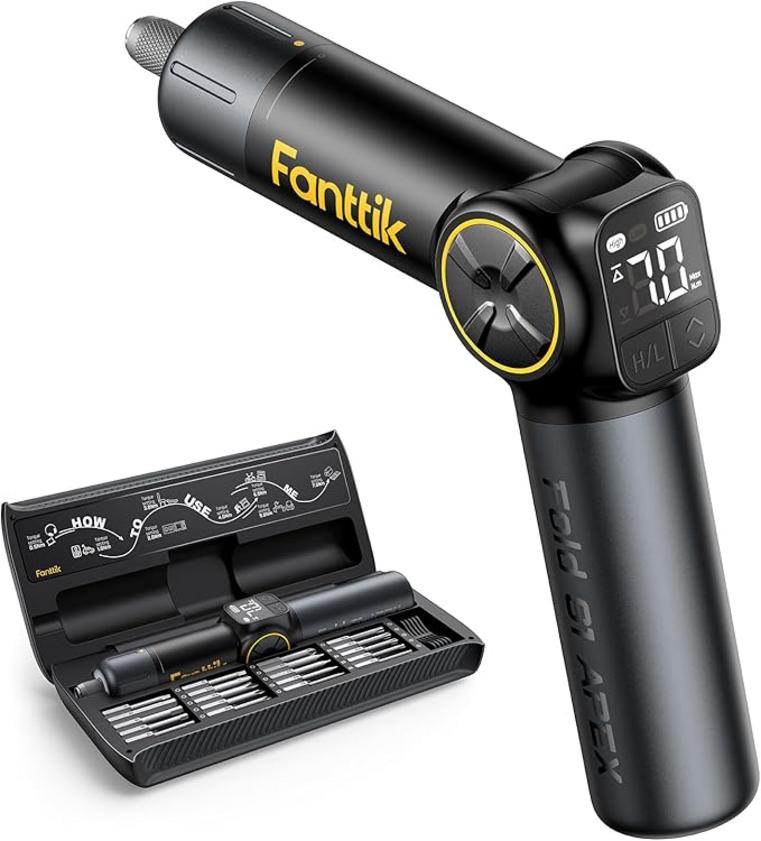
Consider the quiet satisfaction of reaching for a dedicated electric screwdriver, its form factor pivoting to allow an ergonomic grip, to carefully disassemble an old, beloved Magic Mouse. The careful removal of tiny screws, the gentle brush to clear years of accumulated debris, and the precise reassembly—each step becomes a deliberate, almost meditative act. It’s a moment of physical engagement with the digital, a small restoration of order that transcends the purely functional, fostering a deeper connection with the tools of our everyday work and leisure.
This subtle adoption speaks to a broader truth about the Apple ecosystem: these devices, while robust, are still physical objects susceptible to wear. The desire to maintain them, to extend their pristine functionality, is a quiet testament to their integrated role in our lives. A well-suited tool enables a more thoughtful engagement with this hardware, allowing for proactive care that can preempt larger issues and preserve the familiar, dependable operation of an iPhone, MacBook, or iPad.
The intentionality extends to how we organize our workspaces and travel kits. A compact, capable precision driver, designed for easy storage and quick retrieval, replaces the scattered array of inadequate tools. This shift from haphazard improvisation to a curated set of instruments reflects a broader maturity in how we approach our technological environments, moving towards systems that minimize friction and maximize efficiency, even in the smallest of tasks.
Ultimately, these invisible technological habits—the quiet moments of maintenance, the brief periods of focused repair—are about a subtle reclaiming of agency over our devices. They reflect a behavioral adaptation where small acts of care become less of a burden and more of a natural extension of ownership, subtly enhancing the quiet dependence we place on our Apple technology. Recent listings reflect reductions up to 56% compared with earlier availability, making such precision tools more accessible.
This product has recently appeared more often in conversations around portable Apple setups and everyday charging routines.
Check current availability here
How do specialized tools integrate into an existing Apple device workflow?
Specialized tools often simplify the process of minor maintenance for Apple devices, addressing the small repairs and upkeep that can otherwise become frustrating.
Are these types of precise drivers compatible with common Apple hardware fasteners?
Many precision drivers are designed with bits that accommodate the specific screw types found in various Apple devices, allowing for careful disassembly and reassembly.
What role does portability play in choosing a tool for on-the-go Apple device adjustments?
A compact and easily transportable precision tool can reduce the friction associated with minor adjustments or repairs to Apple devices, whether at home or while traveling.
How does addressing minor device wear influence the perceived longevity of Apple products?
Proactively addressing small issues, like loose screws or accumulated dust, can contribute to the overall feeling of a device being well-maintained and extending its useful life within an Apple ecosystem.
Verdict
The quiet evolution of how individuals interact with their Apple hardware is often a story of subtle shifts in routine. What might seem like an insignificant tool can, in practice, dissolve minor everyday frictions, fostering a deeper, more intentional relationship with the devices we depend upon. This shift isn’t about obligation but about a renewed sense of ownership over the small, recurring moments of technological upkeep.
"Note: Readers like you help support The Apple Tech. We may receive a affiliate commission when you purchase products mentioned on our website."