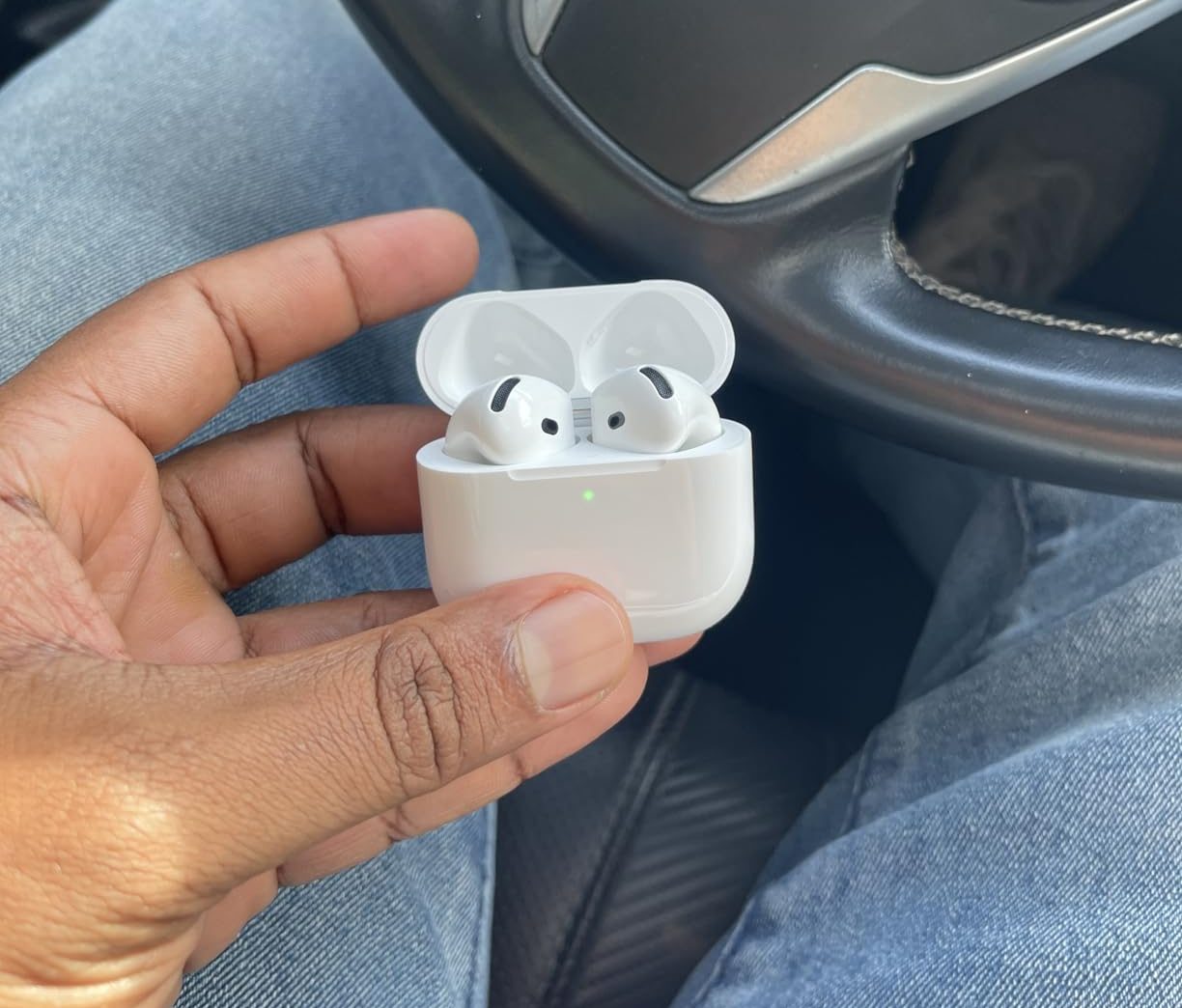
Thirty hours sounds abundant until parsed across actual use. The number assumes a charging discipline that runs counter to how most people interact with wireless earbuds.
The thirty-hour figure requires context that marketing materials omit. It’s cumulative: earbuds plus case, across multiple charge cycles. A single pair of earbuds runs closer to five hours. The case holds additional charges, but only if the case itself gets recharged. That “if” is where most users falter.
Wireless earbud usage is punctuated, not continuous. Twenty minutes on a morning commute. An hour at the gym. Thirty minutes during lunch. Another hour walking the dog. Each session depletes the earbuds, which then draw from the case when returned. The case depletes invisibly. There’s no low-battery warning until you open it and discover both earbuds are dead.
This creates a specific kind of failure—one that feels like user error but is really a design mismatch. The expectation is that earbuds should be ready whenever you reach for them. The reality is that readiness requires proactive case charging, which competes with phone charging, watch charging, and every other device in the Apple ecosystem demanding nightly attention.
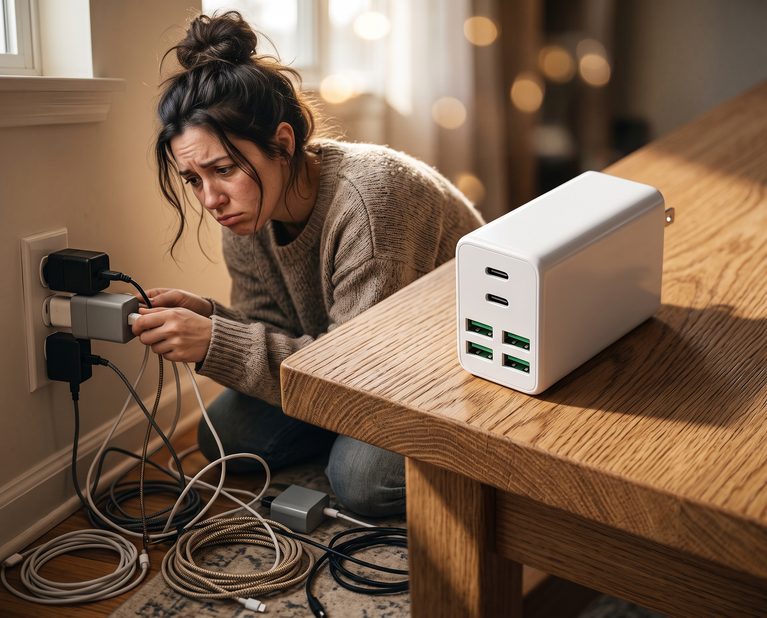
USB-C charging simplifies cable management but doesn’t reduce the cognitive load. Now the AirPods case uses the same cable as the iPhone, which sounds convenient until both devices need charging simultaneously. Priority decisions emerge: charge the phone to 80% and then swap to the AirPods case, or find a second cable, or accept that one device will start tomorrow partially depleted.
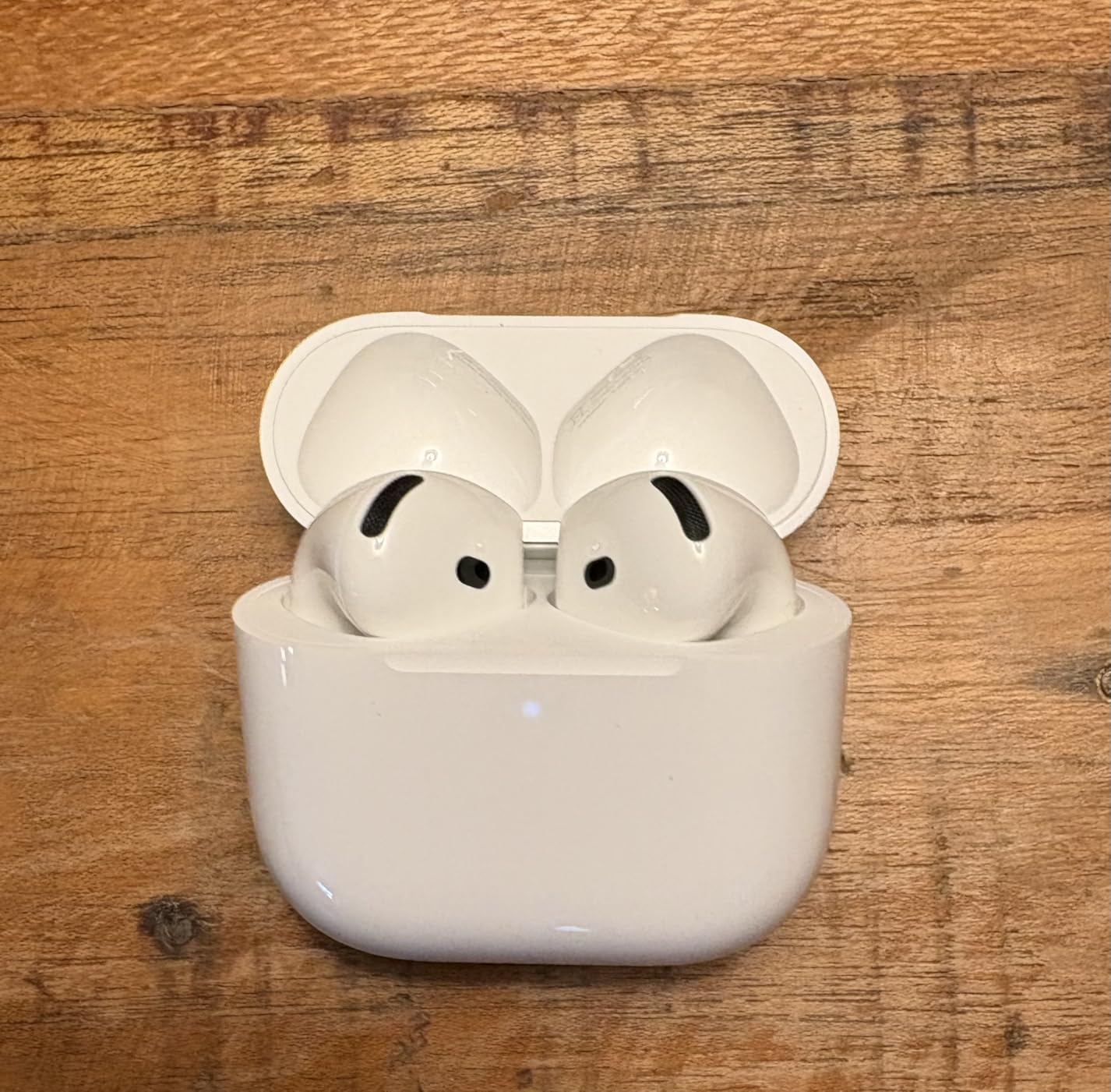
Spatial audio and other features sound impressive in demonstrations but accelerate battery drain in daily use. The thirty-hour estimate assumes baseline functionality. Enabling personalized spatial audio, conversation awareness, or adaptive transparency reduces runtime. There’s no clear formula—just a vague sense that the case needs charging more frequently than expected.
Sweat and water resistance matters primarily to a specific subset of users: those who exercise with AirPods. For everyone else, it’s insurance against unexpected rain or accidental sink splashes. But resistance doesn’t mean imperviousness. Moisture can still interfere with charging contacts. The case develops a faint corrosion over months, imperceptible until charging becomes intermittent.
The effortless iPhone setup is genuinely seamless—once. After that, the AirPods exist in a liminal state: paired but not always connected, charged but not always ready, present in the Bluetooth menu but occasionally refusing to output audio until re-paired. These micro-failures don’t warrant a support call, but they accumulate into background frustration. Previously listed at $129, current listings hover around $99.99.
"Note: Readers like you help support The Apple Tech. We may receive a affiliate commission when you purchase products mentioned on our website."