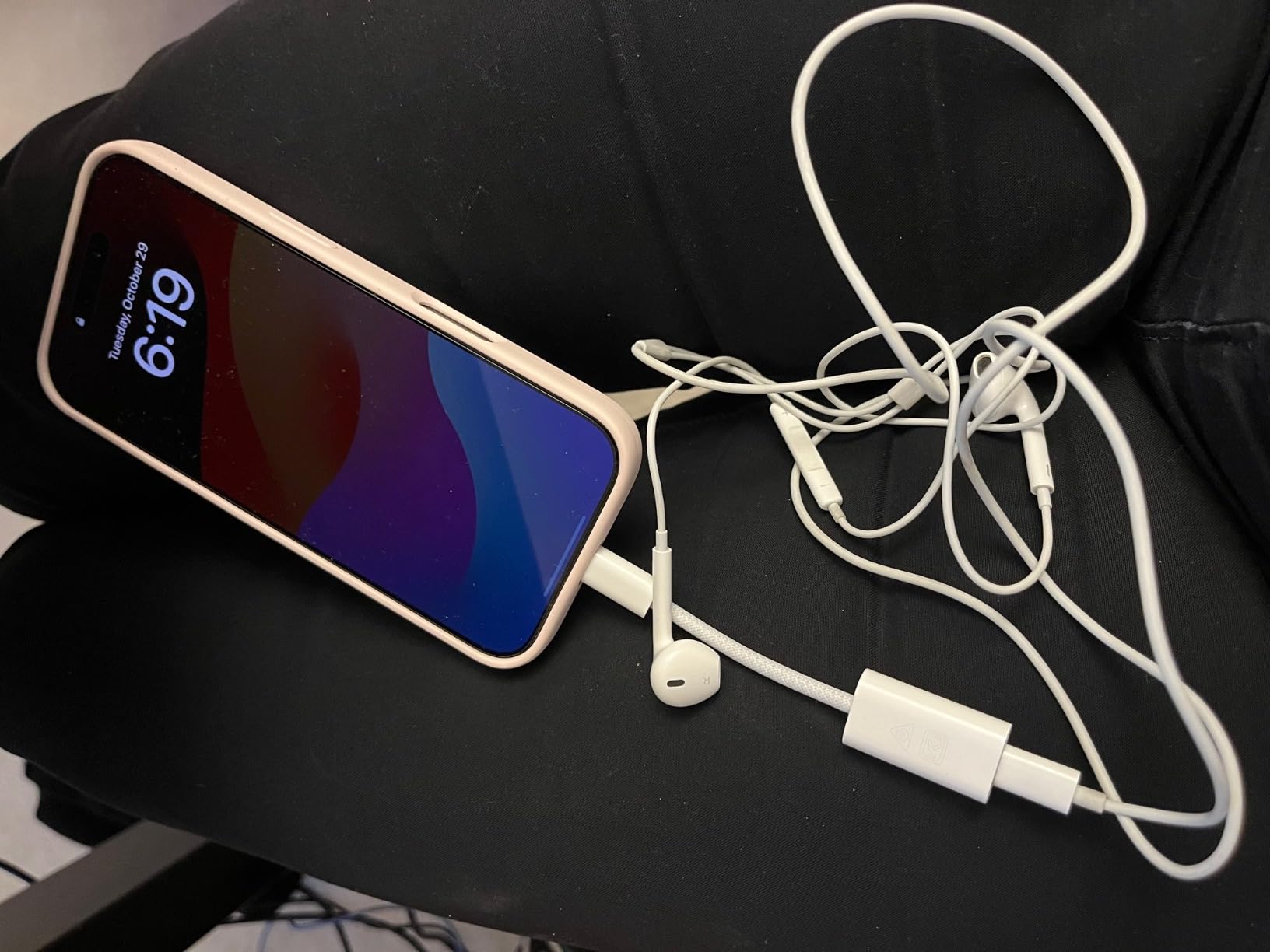
The adapter drawer persists despite industry-wide connector convergence. Legacy devices and peripheral incompatibilities ensure that USB-C hasn’t eliminated the transitional hardware it promised to replace.
USB-C arrived with a promise: one cable for everything. Yet adapters multiply rather than disappear. The Lightning-to-USB-C adapter exists because the ecosystem doesn’t migrate uniformly. An iPhone 15 charges via USB-C, but the previous-generation AirPods case still uses Lightning. The MagSafe battery pack from two years ago? Lightning. That portable speaker received as a gift? Lightning.
Households don’t upgrade devices simultaneously. An iPhone gets replaced every three years, AirPods every four, accessories whenever they break. This staggered replacement cycle creates a prolonged coexistence period where both connectors remain active. The adapter becomes essential infrastructure rather than temporary accommodation.
What’s particularly revealing is where these adapters end up. Not in junk drawers at home, where they’d be available during the Lightning-to-USB-C emergency, but in laptop bags and purses. They’re carried preemptively, just in case. The “just in case” scenarios happen often enough to justify the bulk: borrowing a friend’s Lightning cable because your USB-C cable is at home, charging an older iPad on a trip, connecting to a rental car that only recognizes Lightning.
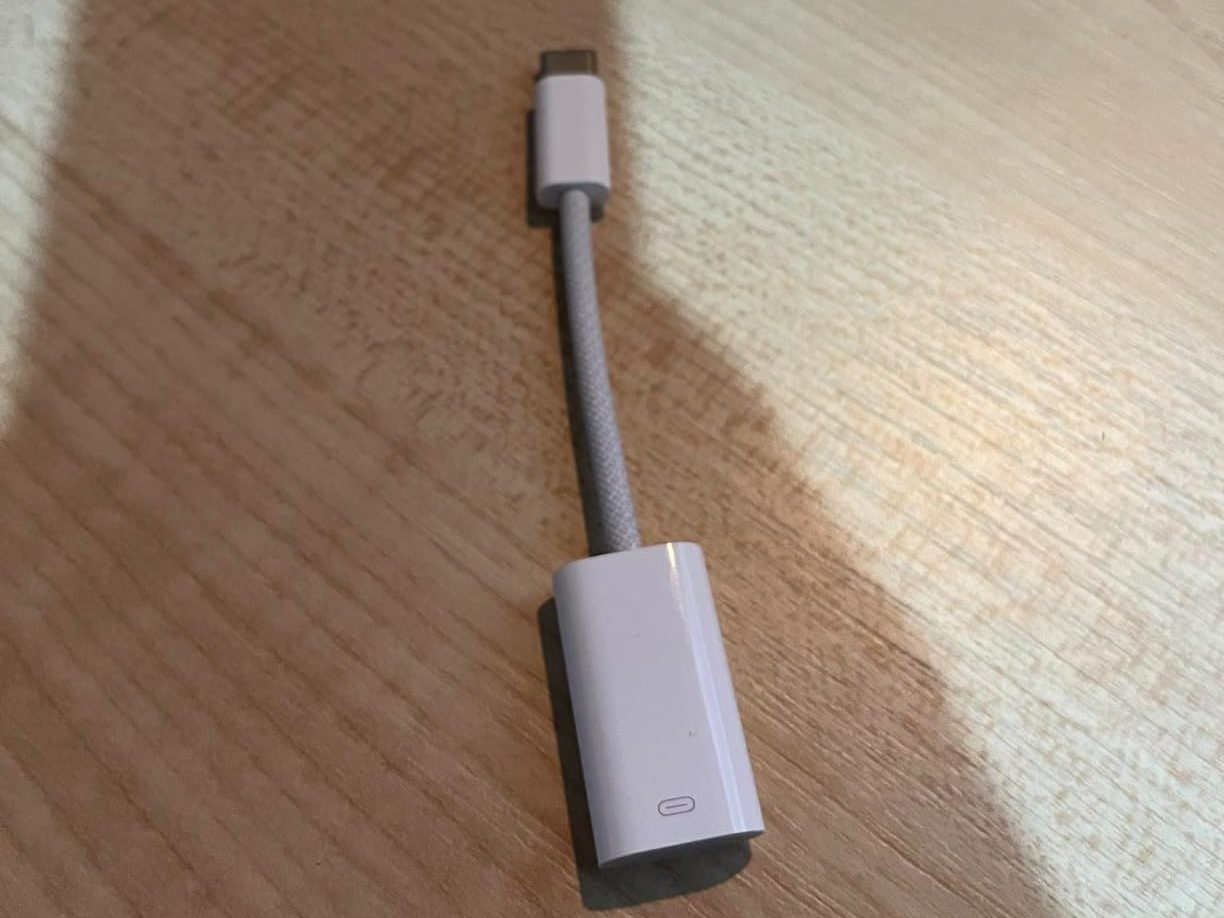
The adapter’s necessity exposes an awkward truth about ecosystem transitions. Apple positions itself as the company that makes bold cuts—removing headphone jacks, killing USB-A ports, eliminating physical SIM trays. But the adapter’s persistence reveals that users don’t experience these transitions as clean breaks. They experience them as prolonged periods of carrying multiple standards simultaneously.
Car integration amplifies this friction. Many vehicles manufactured between 2018 and 2023 include Lightning-specific connectors built into the center console. These aren’t cables—they’re fixed infrastructure. USB-C phones can’t use them without an adapter. Replacing a car to match a phone connector is absurd, so the adapter becomes a permanent fixture in the glove compartment.
Professional environments create another layer of dependency. Conference room AV systems, external microphones, charging stations at airports—many were designed during the Lightning era and haven’t been updated. Showing up to a presentation without an adapter means scrambling to find one, or accepting that your phone won’t charge during the three-hour meeting.
The economic dimension is worth noting. These adapters weren’t budget items when new, and even at reduced pricing, their cumulative cost adds up across multiple devices and locations. One for the car, one for the office, one in the travel bag, one as backup at home. The transition tax isn’t a one-time expense but a recurring calculation as adapters get lost, left behind, or stop working. Previously listed at $29, current listings hover around $19.
"Note: Readers like you help support The Apple Tech. We may receive a affiliate commission when you purchase products mentioned on our website."