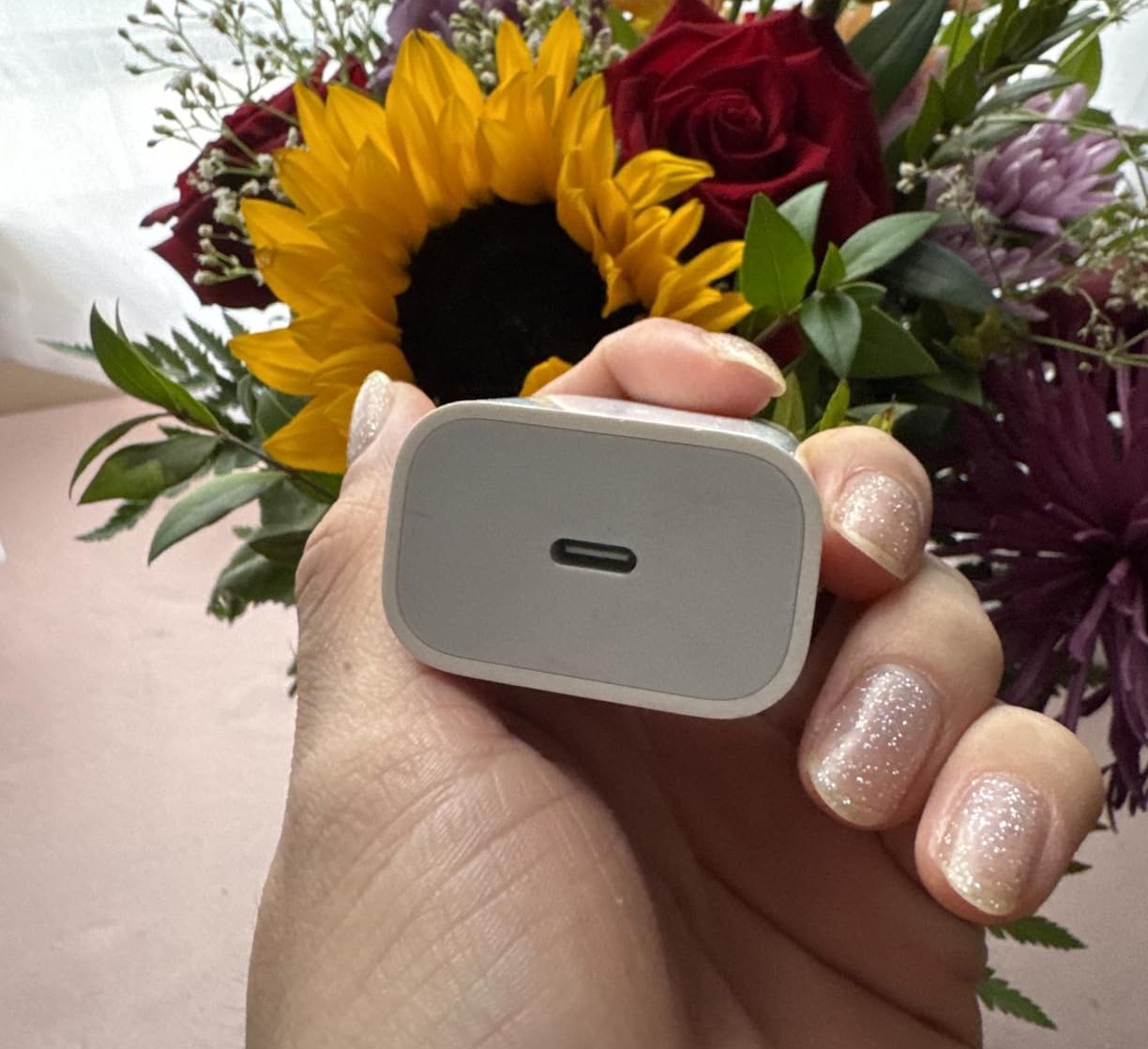
Fast charging didn’t eliminate charging anxiety—it redistributed it. Instead of overnight rituals, iPhone users now navigate micro-charging windows throughout the day.
Charging used to be binary: plugged in or not, full or dying. The introduction of higher-wattage USB-C adapters collapsed that binary into a spectrum. Twenty watts doesn’t sound revolutionary until you realize it transforms how people structure their mornings.
The old habit was simple—plug in before sleep, wake to 100%, start the day without thought. But faster charging introduced a new calculus: Do I need a full charge, or just enough to get through the next four hours? The answer shapes everything from shower duration to coffee shop seating choices.
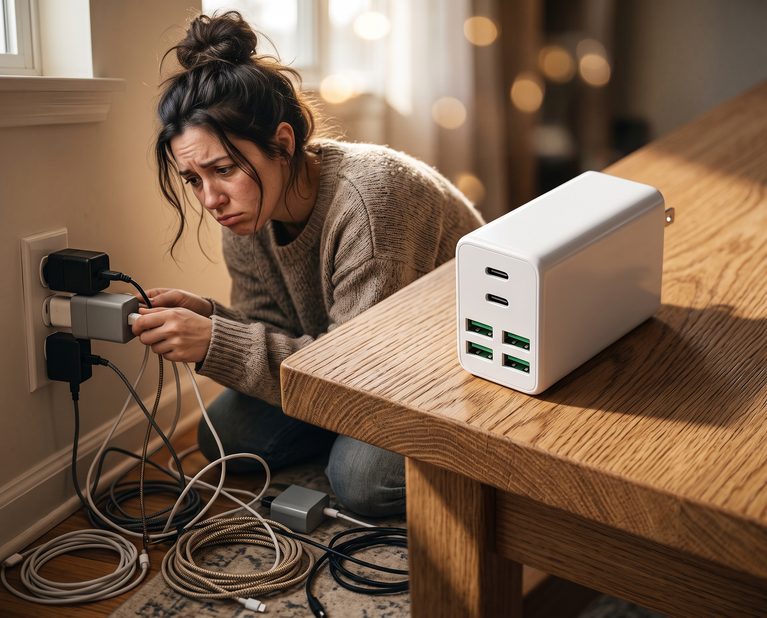
This behavioral shift is most visible in homes with multiple iPhone users. Charging cables migrate from bedside tables to bathrooms, kitchens, car consoles. The adapter becomes a shared resource rather than personal infrastructure. Arguments about “who took the fast charger” replace arguments about “who forgot to charge overnight.”
What’s less discussed is how this changes relationship to battery percentage. When charging required eight hours, checking battery at 47% meant nothing. Now it’s a decision point: twenty minutes plugged in during breakfast, or risk the afternoon? The mental overhead is small but constant.
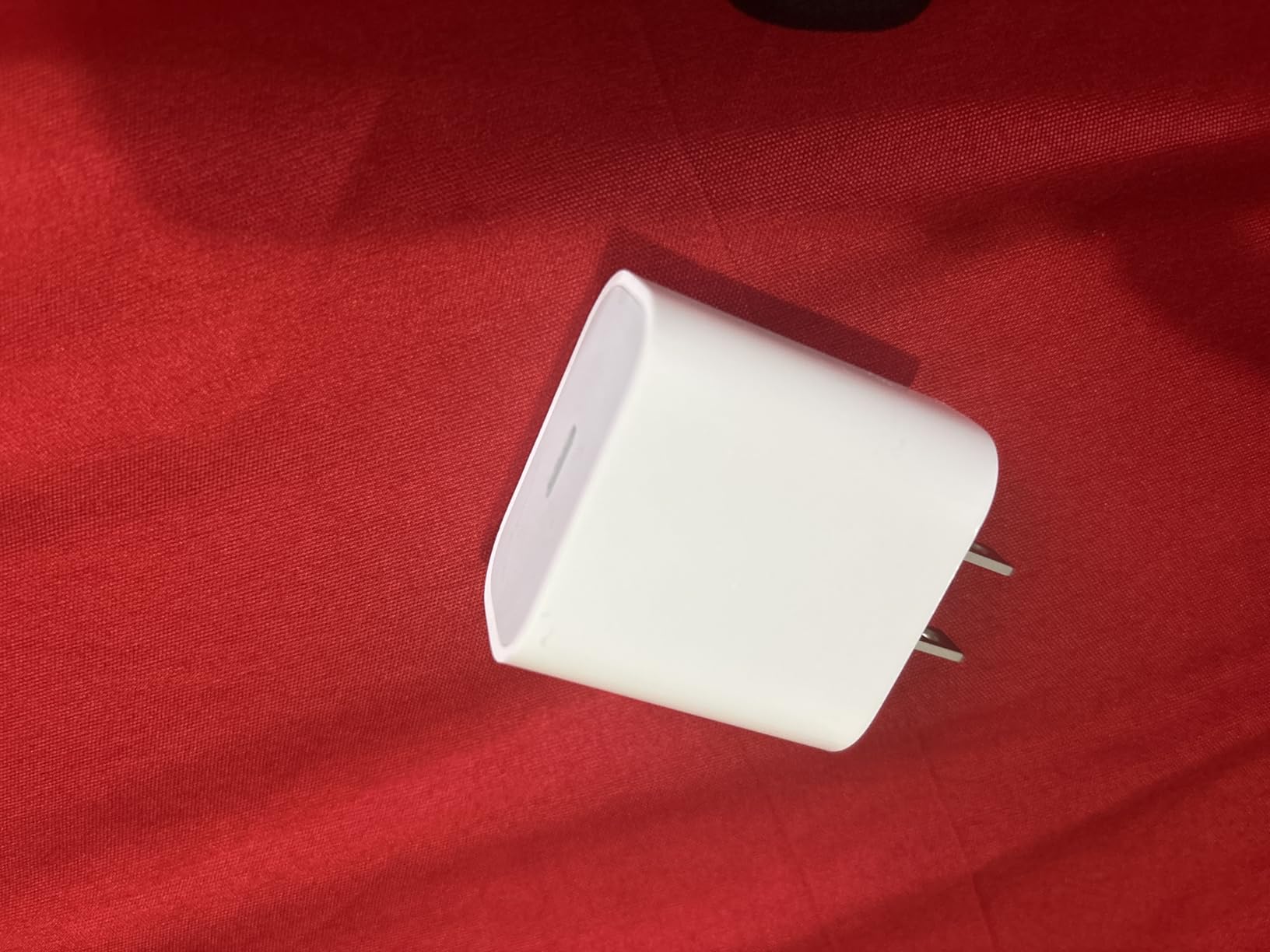
Apple’s ecosystem compounds this because charging habits must now synchronize across devices. An iPad Pro pulling 30W, an iPhone at 20W, AirPods at 5W—suddenly the wall outlet becomes contested real estate. USB-C was supposed to simplify. Instead it created a new taxonomy of wattage literacy.
Compact size matters because fast charging is worthless if the adapter stays home. The smaller form factor signals a philosophical shift: charging is no longer a stationary overnight event but a portable, opportunistic act. Travel bags now contain multiple adapters not for redundancy, but for speed optimization across locations.
The environmental angle is rarely mentioned but quietly significant. Faster charging means less time tethered to walls, which theoretically means less energy waste from phantom draw. But it also means more charging cycles compressed into shorter lifespans. Previously listed at $19, current listings hover around $14.99.
"Note: Readers like you help support The Apple Tech. We may receive a affiliate commission when you purchase products mentioned on our website."