
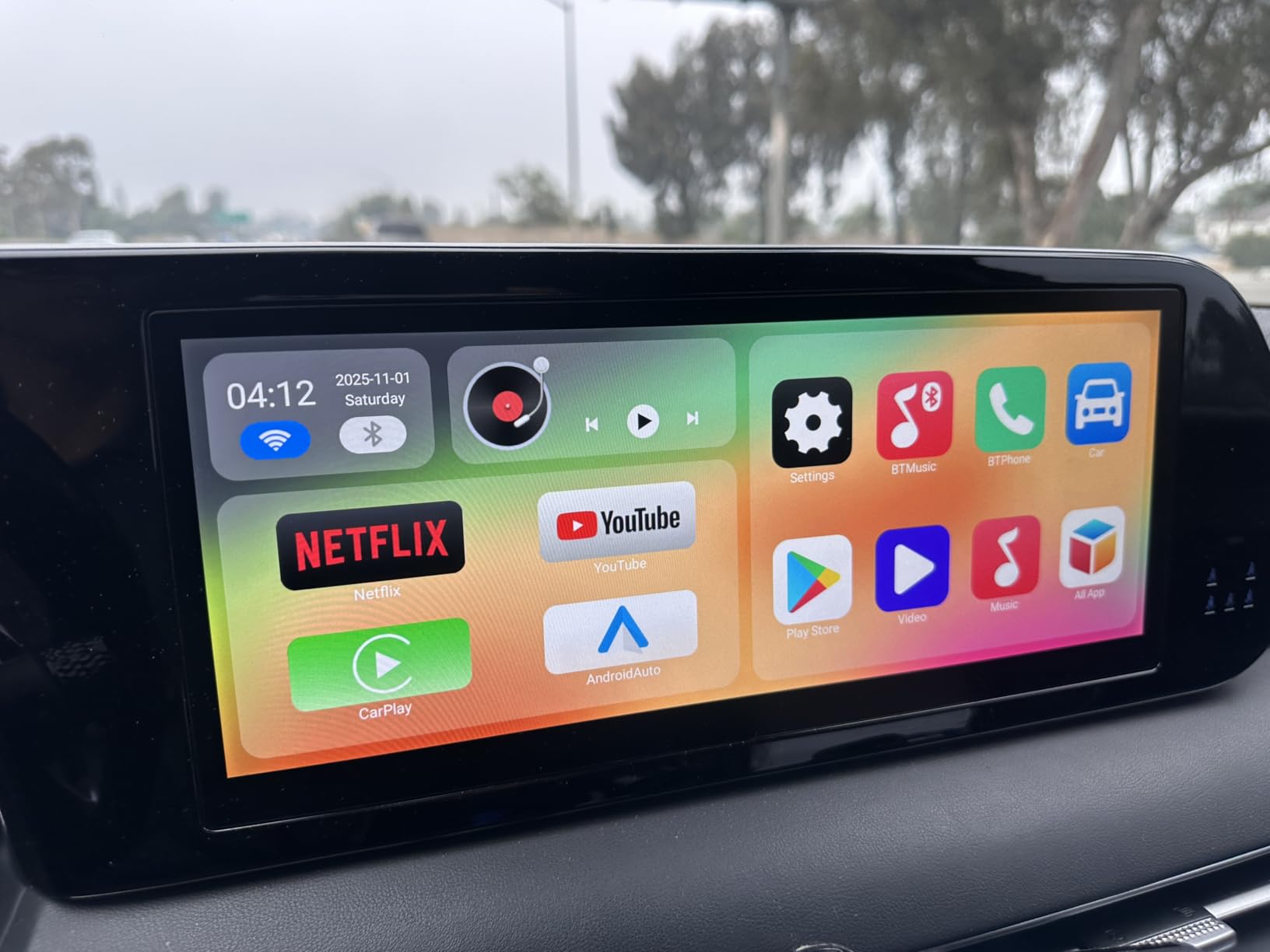
Vehicle entertainment systems have become battlegrounds for software flexibility, with drivers choosing fragmented solutions over Apple’s tightly controlled interface to access streaming apps.
CarPlay was supposed to solve the problem of fragmented in-car interfaces. Instead, it created a new one: the realization that Apple’s restrictions on what you can do while parked feel arbitrary and patronizing. Drivers who want Netflix during lunch breaks or YouTube tutorials while waiting in pickup lines find themselves locked out by software designed to protect them from themselves. Third-party adapters have rushed into this gap, offering what Apple won’t.
The appeal of these devices hinges on a single promise: streaming apps in your car without Apple’s permission. TikTok, YouTube, Netflix—platforms that CarPlay deliberately excludes—become accessible through an Android-powered intermediary that plugs into your existing system. It’s a hack, technically speaking, but one that thousands of drivers have normalized because the alternative is staring at a blank screen while their phone sits inches away, fully capable but artificially restricted.
Split-screen functionality represents another friction point. Apple’s interface assumes single-tasking: navigation or music, never both simultaneously in customizable layouts. Drivers accustomed to desktop multitasking find this limiting, especially on larger vehicle displays that waste space on oversized icons and padding. Android Auto, even when jerry-rigged through an adapter, offers layout flexibility that CarPlay stubbornly refuses.
SIMILAR
Apple's USB-C transition forced laptop users to solve a problem that didn't exist three years ago
Apple's smallest desktop created a new problem for users who actually need ports they can reach
How iPad owners accidentally turned their tablets into diagnostic tools for household repairs
Screen mirroring completes the trifecta of features Apple won’t implement. The ability to cast your iPhone display directly to your car’s screen—for any app, any purpose—feels like an obvious inclusion until you realize it conflicts with Apple’s philosophy of curated experiences. Users don’t want curation in their vehicles. They want control. The adapter market exists almost entirely because of this philosophical mismatch.
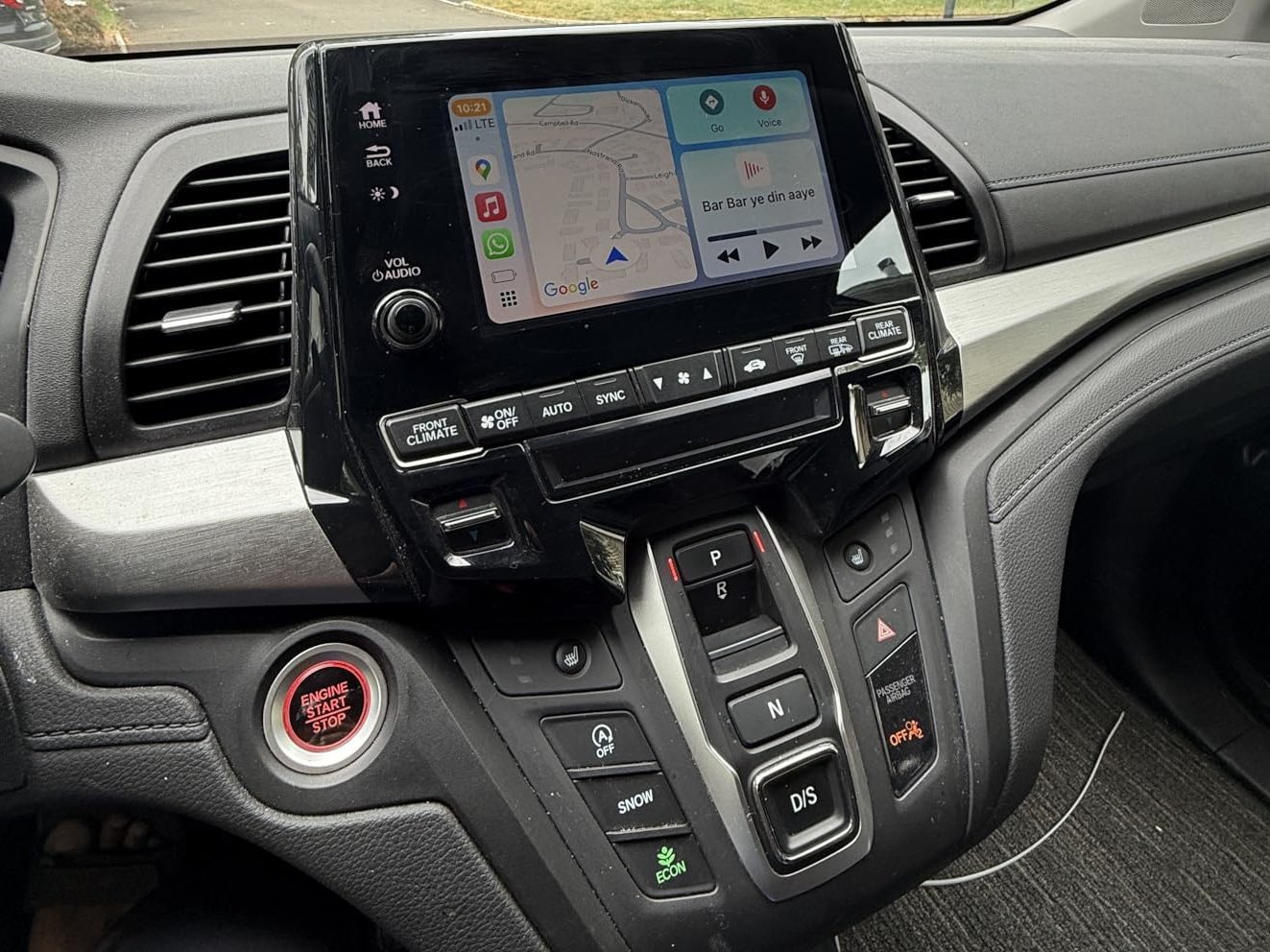
Vehicle-level chips have become selling points, a technical specification most consumers wouldn’t have cared about five years ago. Stable connectivity matters when you’re running a parallel operating system through a dongle. Early adapters suffered from lag, disconnections, and crashes—problems that have largely been resolved as the category matured. The fact that these devices need marketing around chip stability reveals how precarious the entire setup remains.
The 4GB RAM and 32GB storage specs sound modest until you realize you’re essentially adding a smartphone’s worth of computing power to your dashboard. These aren’t simple pass-through devices. They’re full Android systems, complete with app stores, updates, and security vulnerabilities that Apple’s walled garden was designed to prevent. The trade-off for flexibility is exposure to exactly the kind of fragmentation CarPlay was meant to eliminate.
Installation culture has emerged around these adapters, with forums and YouTube channels dedicated to troubleshooting compatibility across vehicle makes and models. Some cars play nicely with the hardware; others require firmware updates, cable swaps, or prayer. The user experience ranges from seamless to maddening, but for many drivers, even a 70% success rate beats a 100% success rate at doing less. Previously listed at $88.40, current listings hover around $59.50(CODE ZX6585ZR), a price point that makes the experiment feel low-risk enough to try.
"Note: Readers like you help support The Apple Tech. We may receive a affiliate commission when you purchase products mentioned on our website."