

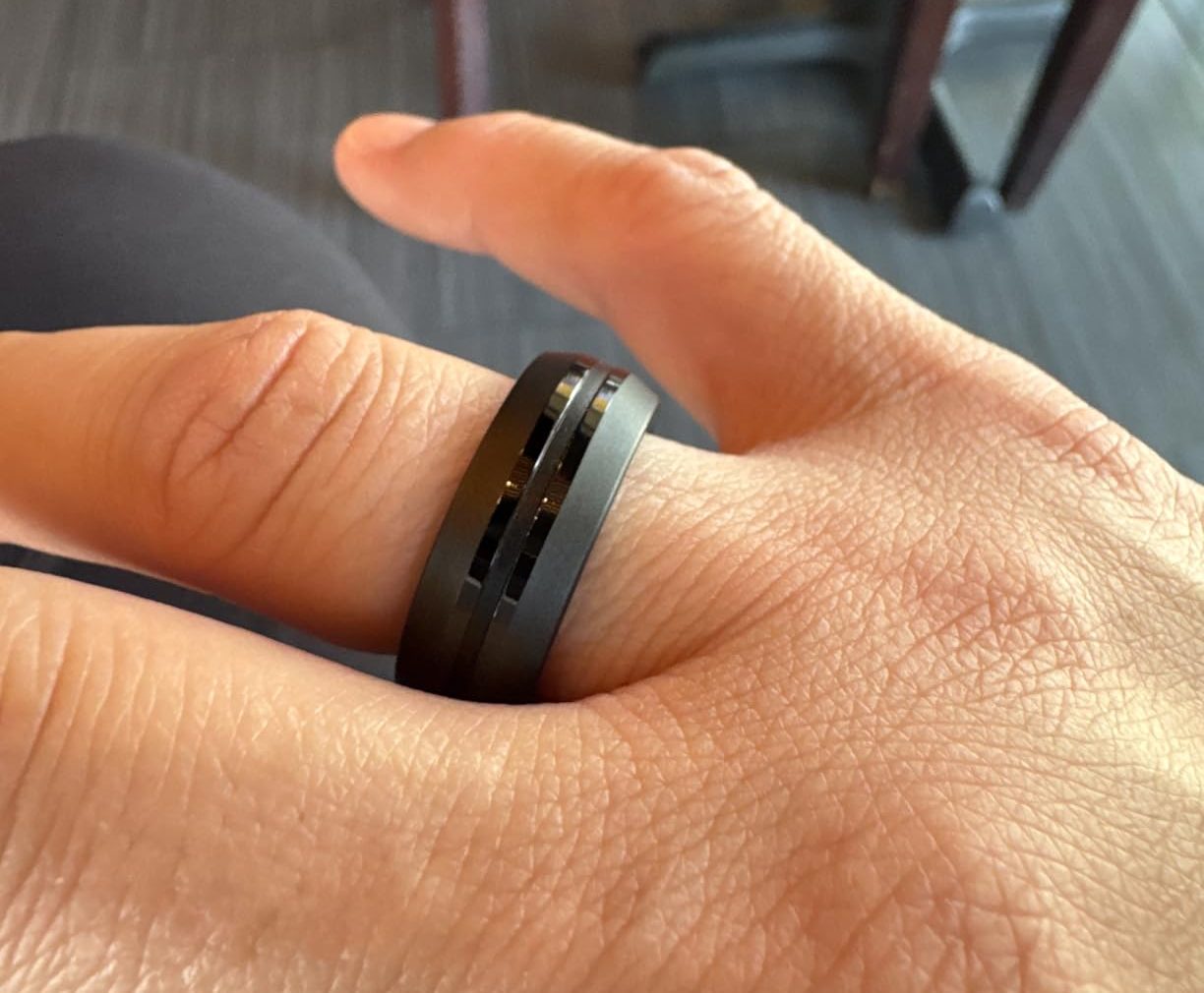
The Apple Watch dominates wrist-based health tracking, yet a growing segment of iOS users now wear multiple tracking devices simultaneously. The behavior signals unmet needs rather than redundancy.
Sleep tracking on the Apple Watch requires a compromise most users find untenable: charging the watch during the day or accepting incomplete data. The watch needs power, which means choosing between nighttime health metrics or having a charged watch for the following day. This trade-off has persisted through multiple hardware generations despite battery improvements.
Ring-based trackers emerged specifically to solve this charging conflict. They last a week on a single charge, which eliminates the daily negotiation. But their appeal isn’t solely about battery life. The form factor disappears in ways a watch cannot. No screen means no notifications during sleep, no accidental taps, no light pollution at 3 AM when you shift positions.
What’s revealing is that most ring adopters don’t abandon their Apple Watch. They wear both. The watch handles active hours—workouts, notifications, payments, timers. The ring handles passive monitoring—sleep stages, resting heart rate variability, overnight temperature trends. The division of labor makes sense until you consider the duplication cost and the cognitive overhead of managing two separate health data streams.
App ecosystems create friction. Apple Health centralizes some data, but not all. Ring trackers typically maintain their own apps with proprietary insights and recommendations. Users end up checking two different apps for complementary information that should ideally exist in one place. The promise of holistic health tracking fractures into device-specific silos.
iOS compatibility matters, but it also highlights Apple’s walled garden tensions. The ring works with iPhone, but it doesn’t integrate with Apple’s ecosystem the way Apple Watch does. No automatic workout detection sync, no shared activity rings, no seamless handoff of health trends. The data lives adjacent to Apple Health rather than within it.
SIMILAR
Apple Home users are managing smart outlets through competing voice assistants as HomeKit compatibility remains inconsistent
Why some Apple ecosystem users are quietly adding Windows machines to home offices
iPhone users are redesigning car charging setups as multiple devices compete for limited power during commutes
Subscription models vary. Some rings require monthly fees for advanced insights, others provide full functionality upfront. This introduces a new mental calculation: is the additional health data worth an ongoing cost on top of the hardware investment? Apple Watch requires no subscription for basic health features, which makes the ring’s potential subscription feel like double-dipping.
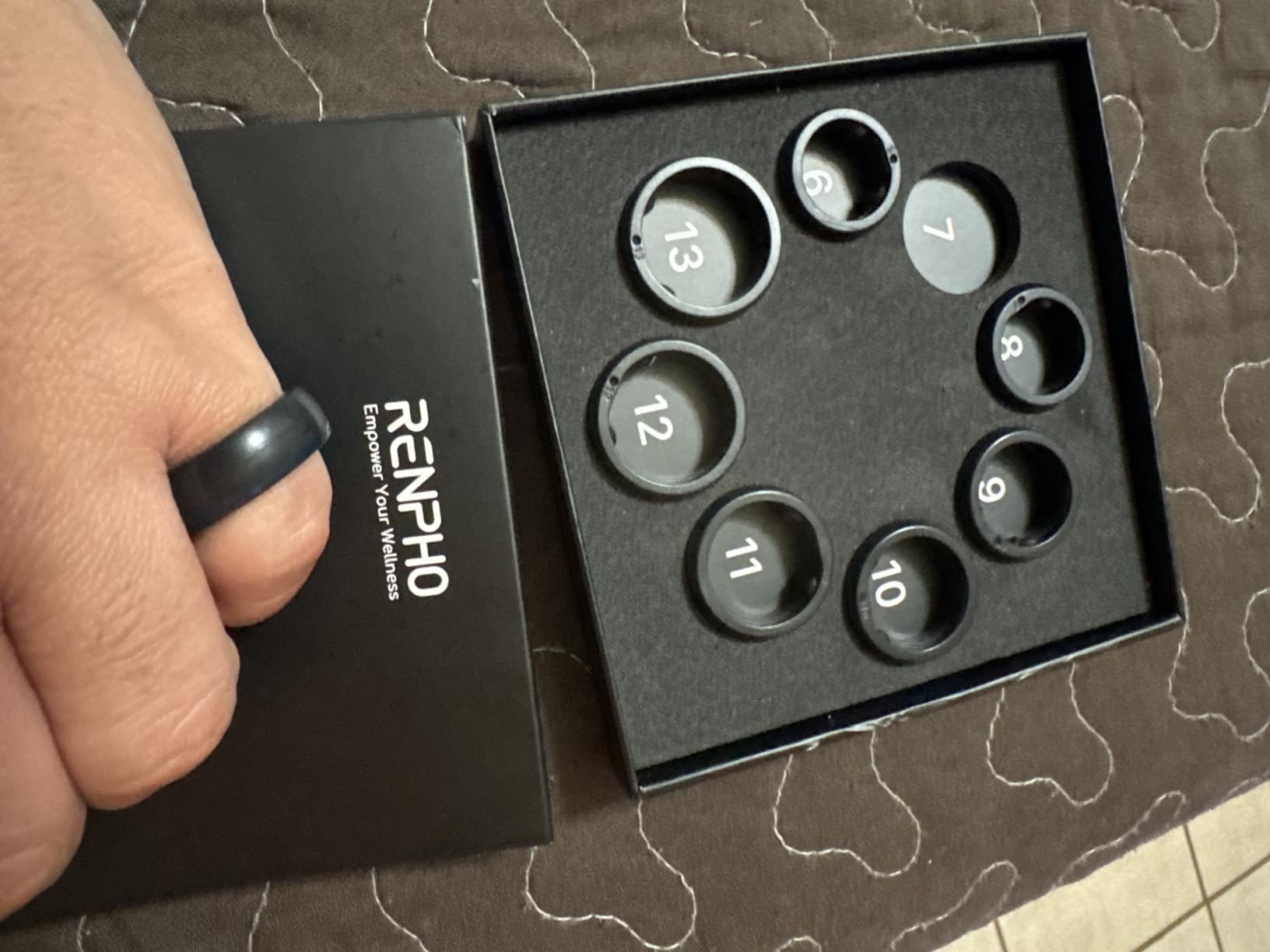
The “size before you buy” note exposes a practical barrier. Unlike watches with adjustable bands, rings require precise sizing. Order wrong, and you’re managing returns or living with uncomfortable fit. Finger size fluctuates with temperature, hydration, and time of day. What fits perfectly in January might feel tight in August. The permanence of ring sizing conflicts with the body’s natural variability. Previously listed at $229, current listings hover around $169.
"Note: Readers like you help support The Apple Tech. We may receive a affiliate commission when you purchase products mentioned on our website."






