
The subtle anxiety of misplaced everyday items has long been a quiet undercurrent in daily routines. Apple’s small tracker has gradually reshaped how many approach this minor but recurring friction.
The moment of quiet panic, the hurried pat-down of pockets, has been subtly replaced by a tap on an iPhone.
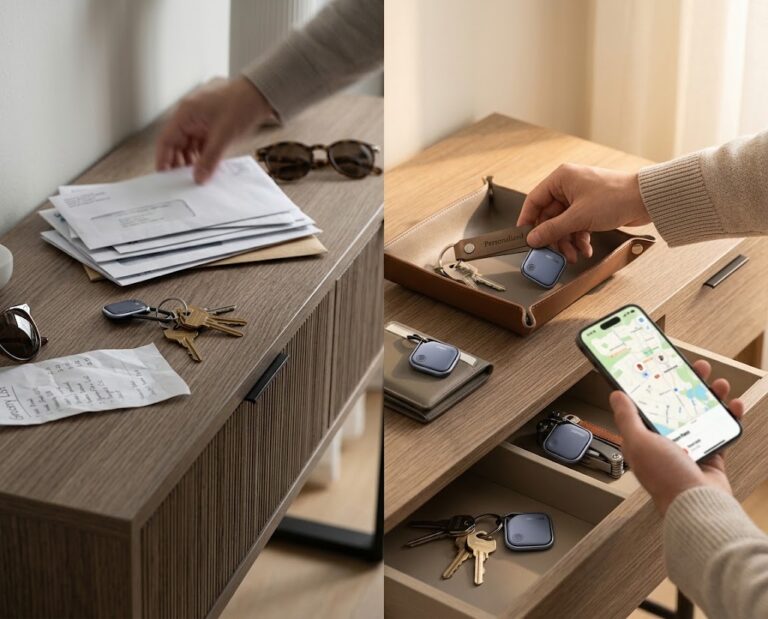
The quiet frustration of a missing item – keys left on a forgotten counter, a wallet tucked into an unexpected corner of a bag, or even a backpack resting just out of sight – is a universally understood micro-drama. Before the ambient digital safety net of a small tracker, these moments typically unfolded with a familiar, low-level tension: a frantic mental inventory, a hurried retracing of recent steps, and the increasing hum of mild exasperation. It was a recurring tax on attention, a brief but noticeable disruption to the day’s flow, quietly underscoring a dependence on these seemingly mundane objects for the seamless navigation of daily life.
For many, the routine involved a quick pat-down of pockets, a scan of familiar surfaces, and then, if the item remained elusive, a more concerted, often vocal, search. This ritual, however slight, absorbed mental bandwidth. It was an involuntary pause, a small interruption that, when accumulated over weeks and months, contributed to a subtle undercurrent of minor inefficiency. The object itself wasn’t just an item; it was a gatekeeper to the next moment, and its absence could momentarily halt progress.
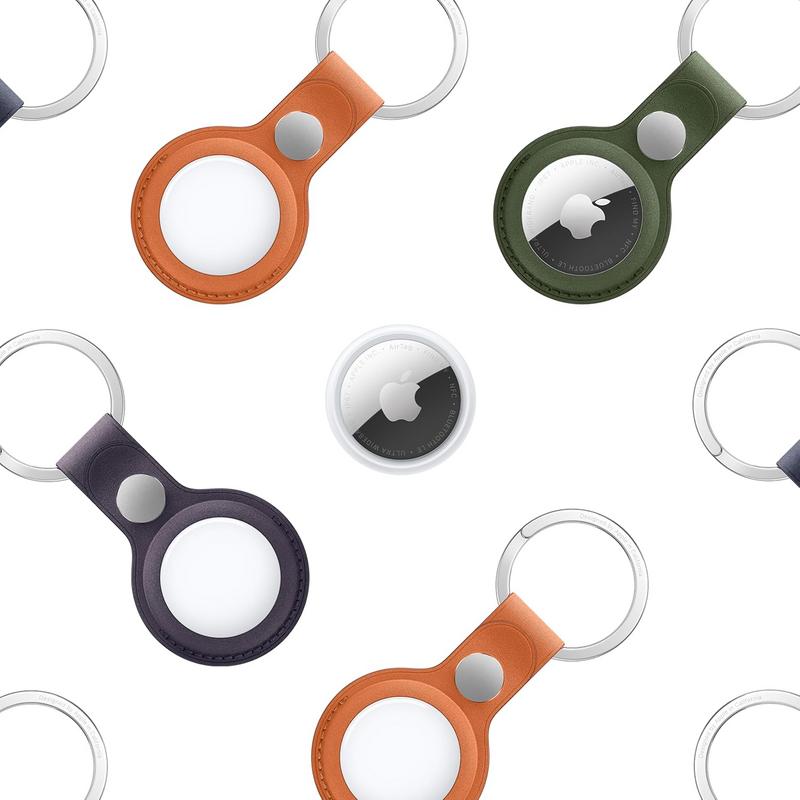
The arrival of Apple’s small, disc-shaped tracker, however, quietly began to rewrite this script. It wasn’t a seismic shift, but rather an incremental recalibration of a deeply ingrained habit. The immediate response to a misplaced item no longer defaults to a physical hunt. Instead, the first reflex has become a reach for the iPhone, a brief navigation to the Find My app, and a tap. This transition from active, often stressful, searching to a more passive, digitally-assisted location check represents a subtle but profound behavioral adaptation.
Consider the mundane physical moment: after a day out, keys are tossed onto a bedside table, perhaps under a magazine. In the morning, they’re not immediately visible. The old routine would involve sweeping the table, perhaps even lifting the magazine. The new routine begins with the iPhone. The familiar chime from the AirTag, emanating from under the paper, confirms its location without needing to disturb the morning calm. The small, white disc, now a silent sentinel on the keychain, transforms a potential minor crisis into a near-imperceptible verification.
This evolving behavior is deeply interwoven with the broader Apple ecosystem. The AirTag isn’t a standalone device; it leverages the vast, anonymized network of millions of active Apple devices. This distributed sensor network provides an ambient layer of reassurance, quietly turning passing iPhones and iPads into silent location beacons. The comfort isn’t in constant, real-time tracking, but in the quiet confidence that the item, even if far away, will likely be spotted by the collective, its general whereabouts discreetly communicated back to the owner.
The psychological impact is equally understated. The low-level anxiety associated with potential loss has been noticeably diminished. There is less overt battery anxiety, given the AirTag’s long-lasting, user-replaceable battery, and more a quiet certainty. The mental space once vaguely reserved for the possibility of a lost wallet or keys is now subtly repurposed, freeing up a fractional amount of cognitive load. This isn’t about preventing loss entirely, but about profoundly simplifying the recovery, normalizing a state of quiet awareness.
Over time, this adjustment solidifies into an invisible habit. The AirTag becomes as much a part of the everyday Apple workflow as ensuring an iPhone is charged or that AirPods are nestled in their case. It integrates itself not through dramatic declarations, but through consistent, understated utility. It’s another quiet dependency on Apple’s interconnected world, a subtle reordering of micro-routines that, when observed closely, reveals how technology continues to reshape our most ordinary and often unnoticed daily behaviors.
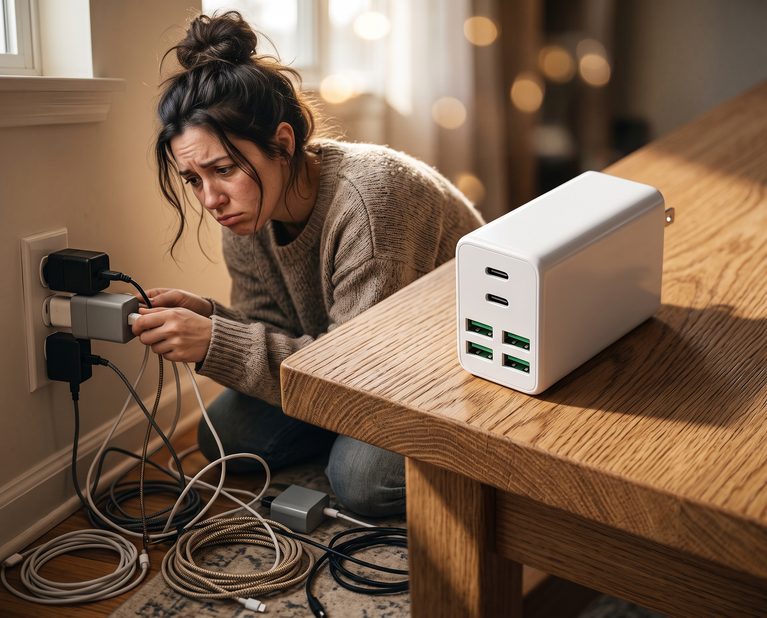
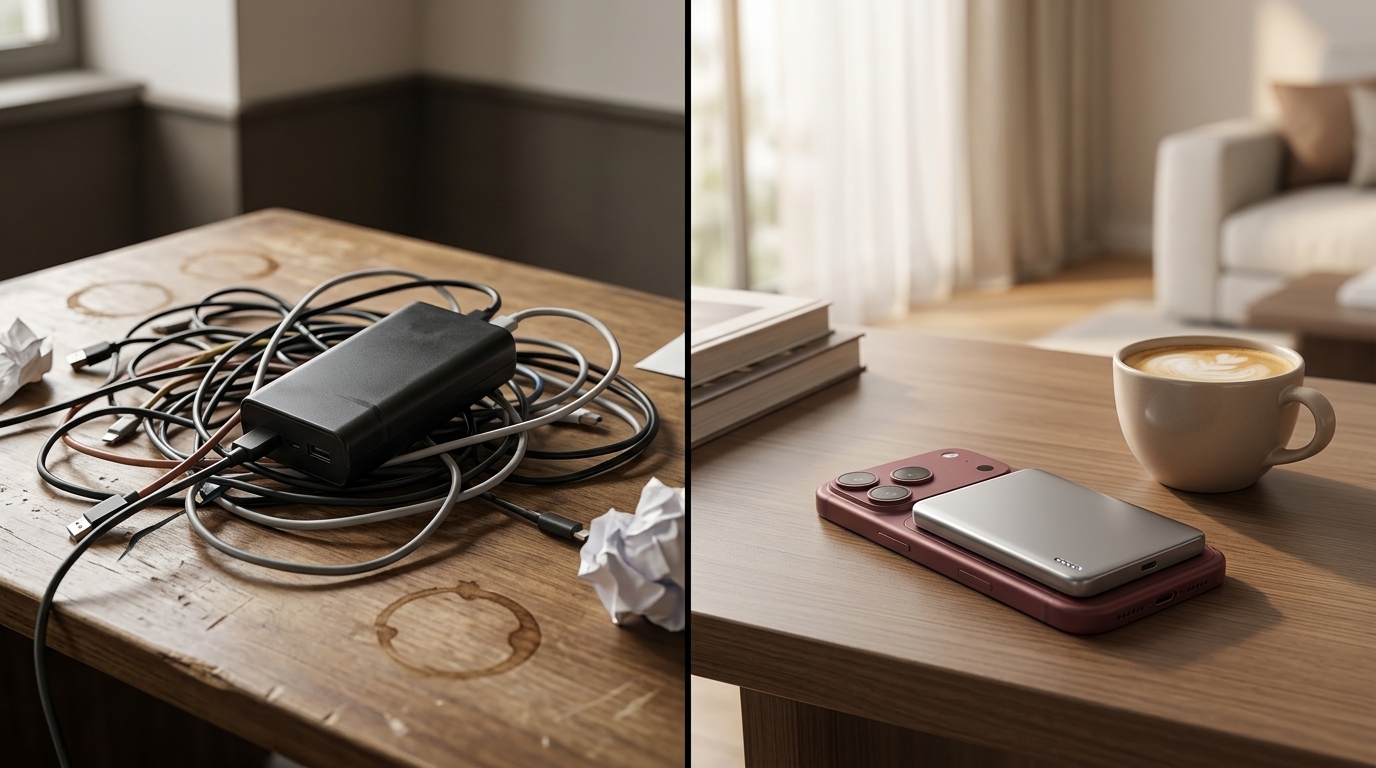
This product has recently appeared more often in conversations around portable Apple setups and everyday charging routines.
Check current availability here
How do AirTags integrate with existing Apple devices?
AirTags leverage Apple’s Find My network, allowing users to locate items through the Find My app on their iPhone, iPad, Mac, or Apple Watch. Setup is a simple, one-tap process, connecting the AirTag to the user’s Apple ID.
What is the typical battery lifespan of an AirTag?
AirTags are designed to run for approximately one year on a standard, user-replaceable CR2032 coin cell battery, depending on usage. The Find My app notifies the user when the battery requires replacement.
Can an AirTag be used to track items over long distances?
While AirTags do not have built-in GPS, they rely on the Find My network. When an AirTag is near any active Apple device in the network, its location is securely relayed to the owner, allowing for tracking even across significant distances, provided it passes near other devices.
How do AirTags affect daily organization habits?
The presence of an AirTag can subtly shift how individuals approach item organization. Knowing an item is trackable can reduce the immediate anxiety of misplacement, leading to a normalized routine of quick location checks rather than exhaustive physical searches when an item is momentarily out of sight.
Verdict
The quiet integration of a small tracker into the Apple ecosystem represents more than mere convenience; it speaks to a subtle reshaping of daily routines. The low-level friction of forgotten keys or a misplaced wallet, once a source of minor disruption, has been incrementally managed. This behavioral shift underlines a quiet dependency on Apple’s interconnected technologies to minimize everyday inconveniences, evolving how we unconsciously interact with our essential, portable items and offering a measured sense of digital reassurance within our personal space.
"Note: Readers like you help support The Apple Tech. We may receive a affiliate commission when you purchase products mentioned on our website."