The iPhone camera module has been growing for years, but the iPhone 17 Pro Max represents a tipping point. The lenses now protrude so far from the rear glass that they make contact with surfaces before the rest of the phone does. That geometric reality has spawned an entire subcategory of protective accessories, and the language around them has escalated accordingly.
Military grade. Shatterproof. 12-foot drop protection. These aren’t terms that typically describe smartphone accessories. They’re borrowed from industrial equipment, from materials engineered to survive extreme conditions. But they’ve migrated to the consumer space because the stakes feel higher. The camera isn’t just a feature anymore. It’s the feature. And it’s also the most exposed part of the device.
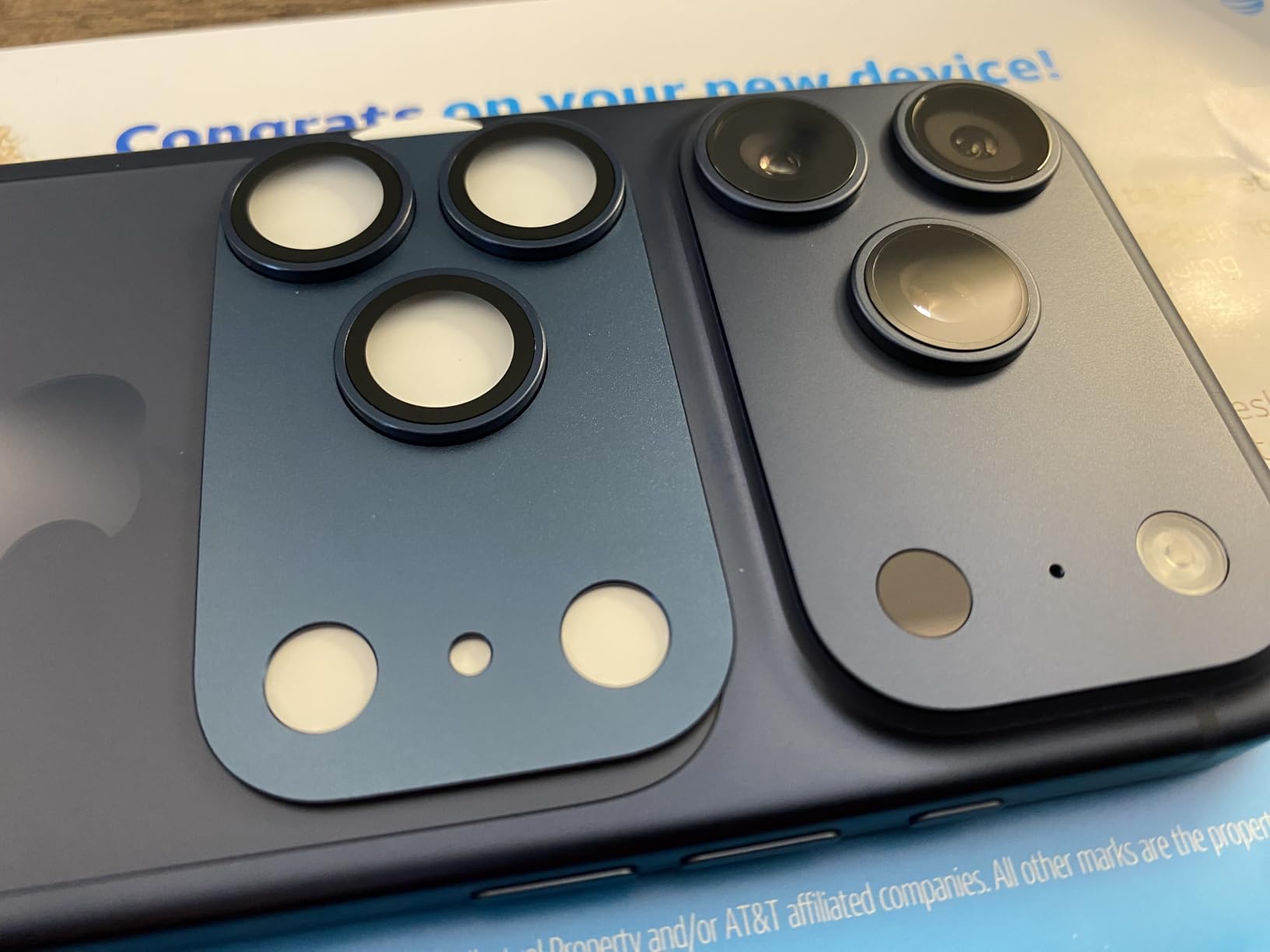
The protector itself is tempered glass, thick enough to absorb impact but thin enough to avoid interfering with image quality. It adheres magnetically, which means it can be removed and repositioned without leaving residue. The design accommodates cases, which is critical—most users layer protection, adding a lens cover on top of a case that already has a raised lip around the camera island.
What this reveals is a kind of layered anxiety. The iPhone itself is durable. The Ceramic Shield front is tested to withstand drops. The rear glass is tougher than previous generations. But none of that applies to the camera lenses, which are small, circular, and made of sapphire crystal that, while scratch-resistant, is not indestructible. A single hard impact in the wrong place can crack a lens, and a cracked lens can’t be buffed out or ignored.
The phrase “full camera protection” appears frequently in product descriptions, and it’s worth unpacking. Full protection implies that partial protection is insufficient, that the default state of the iPhone 17 Pro Max camera is vulnerable. That’s a perception shift. Earlier iPhones had camera bumps, but they were modest. Users trusted the design to handle incidental contact. That trust has eroded.
Part of this is the cost of repair. Replacing a single camera lens on a Pro Max model isn’t cheap, and AppleCare+ doesn’t eliminate the deductible. The math is simple: spend a fraction of the repair cost upfront to avoid the possibility of a much larger expense later. The lens protector becomes a rational hedge.
But there’s also an aesthetic component. A scratched or cracked lens is visible in every photo, a permanent flaw that can’t be edited out. It’s not just about the cost of fixing it. It’s about the degradation of the tool itself, the slow erosion of the thing that justifies the phone’s premium price. Previously listed at $13.49, current listings hover around $12.14. The protector is inexpensive, but its presence is a quiet admission that the iPhone’s design has outpaced users’ willingness to trust it unguarded.
"Note: Readers like you help support The Apple Tech. We may receive a affiliate commission when you purchase products mentioned on our website."