
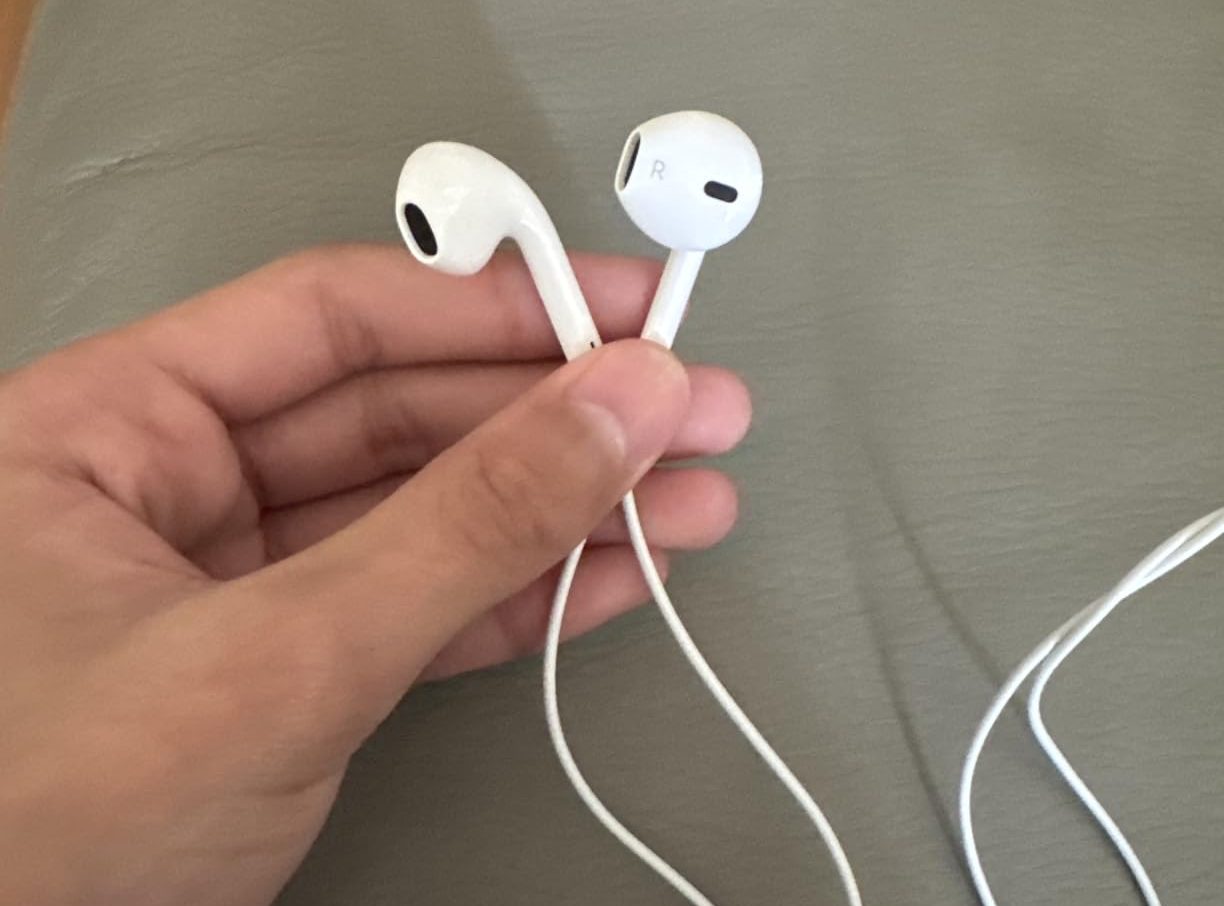
Battery anxiety doesn’t discriminate between devices. As wireless earbuds add another item to the nightly charging queue, wired alternatives reemerge not as nostalgia but as practical fallback.
There’s a specific kind of failure unique to wireless earbuds: the asymmetric death. One earbud announces low battery, then dies. The other continues for another twenty minutes. You’re left with mono audio and a decision: stop listening entirely, or continue with one ear. Neither feels acceptable, but both happen regularly enough that wired backups have returned to daily carry rotation.
The USB-C plug matters more than it initially appears. Previous wired earbuds used Lightning, which meant they couldn’t connect to laptops, Android devices, or any non-Apple hardware. USB-C versions introduce cross-platform utility that Lightning never offered. The same earbuds work with an iPhone 15, a MacBook Air, an iPad Pro, and in theory, a hotel TV with a USB-C port. This versatility wasn’t possible in the Lightning era.
Airplane travel exposes another dimension. Wireless earbuds work fine until they don’t—battery dies mid-flight, or Bluetooth interference from sixty other passengers creates audio dropouts. Wired earbuds eliminate both problems. They also connect to seat-back entertainment systems without requiring airline-provided adapters that may or may not work with your personal devices.
The built-in remote is where muscle memory conflicts with current expectations. Volume buttons, play/pause, track skipping—all of these controls require reaching for the cable rather than tapping an earbud stem. For users who’ve spent years with AirPods, this feels regressive. But it’s also reliable. There’s no accidental volume adjustment from wind hitting external microphones, no failed tap gestures that require repeating.
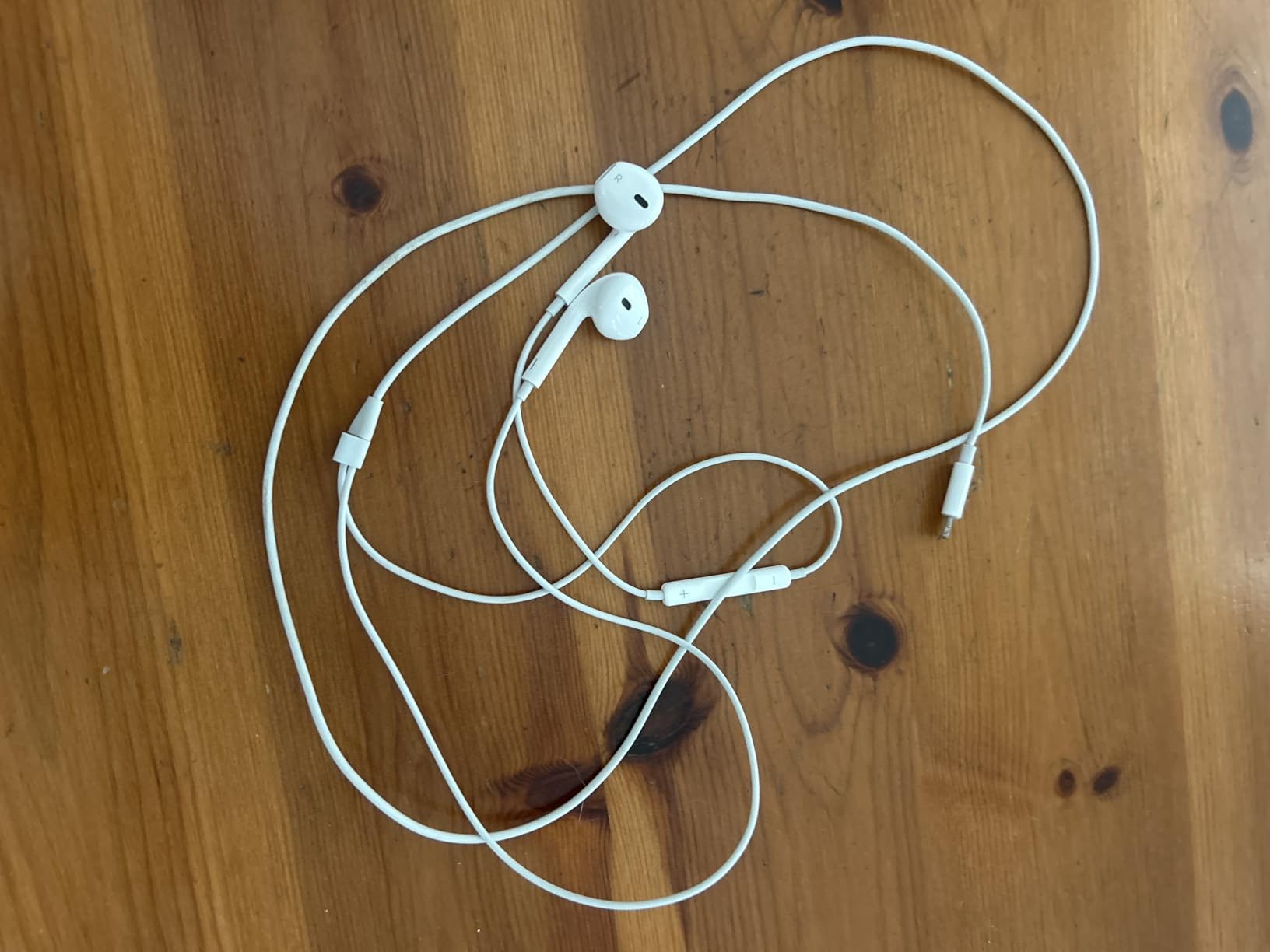
Call quality introduces an interesting trade-off. Wireless earbuds use sophisticated microphone arrays and computational audio to isolate voices. Wired earbuds use a single microphone positioned closer to the mouth. In quiet environments, the difference is negligible. In noisy contexts—busy streets, coffee shops, airports—the wired microphone sometimes performs better simply because it’s physically closer to the source.
Durability becomes apparent over time. Wireless earbuds have batteries that degrade, Bluetooth chips that can fail, and charging contacts that corrode. Wired earbuds have cables that fray and jacks that wear out, but these failures are visible and often repairable with electrical tape. The repair culture that emerged around frayed Lightning cables hasn’t fully transferred to USB-C yet, but it’s beginning to.
What’s notable is the demographic split. Younger users who never owned wired earbuds view them as archaic. Users who remember pre-wireless eras keep a wired pair “just in case,” and that case arrives more frequently than expected. The wired earbuds sit in backpack pockets, glove compartments, desk drawers—dormant until the moment wireless fails. Previously listed at $19, current listings hover around $17.99.
"Note: Readers like you help support The Apple Tech. We may receive a affiliate commission when you purchase products mentioned on our website."