For years, each new Apple device arrived with its own charger, and users absorbed this as normal. An iPhone charger stayed near the bed, an iPad charger lived in the kitchen, a MacBook charger remained in a bag. The accumulation happened incrementally, which made it feel reasonable even as outlet space became a negotiation.
The realization arrives slowly: the drawer full of white charging blocks represents decisions made across different purchase years, not current need. But changing the habit requires noticing the pattern first, and most people don’t inventory their charging setup until something breaks or they’re packing for a trip.
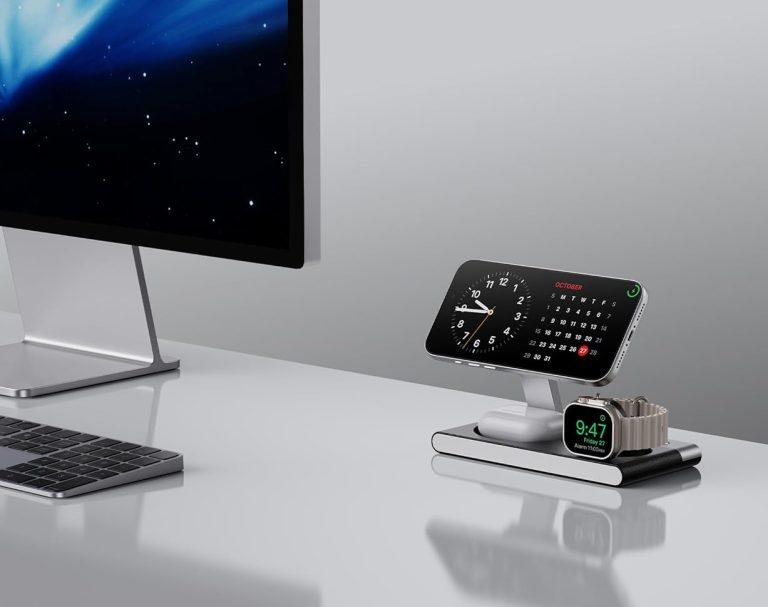
What shifted wasn’t just the hardware’s capability—it was the friction of managing it. Traveling with multiple devices meant multiple chargers, multiple cables, multiple outlet calculations in hotel rooms. The iPhone needed one block, the MacBook another, maybe an iPad or AirPods case added a third. It wasn’t unmanageable, but it was persistent.
Apple’s move to USB-C across its product line made unified charging technically possible, but the behavior change lagged. People kept using what they already had because it worked, even if it took up more space than necessary. The shift toward consolidated charging came less from excitement about new technology and more from fatigue with the old system’s small, recurring annoyances.
A charger that handles both a MacBook and an iPhone doesn’t feel like an upgrade in the traditional sense. It feels like a correction—a resolution to a problem that shouldn’t have existed in the first place but did because different products launched on different timelines with different power requirements.
The appeal isn’t about speed or capability as much as it is about reduction. Fewer blocks competing for outlet space. Fewer decisions about which charger goes in the bag. One cable instead of three.
Some listings currently reflect a reduction of roughly 37 percent compared with earlier availability. But the math that matters is how many charging blocks someone owns versus how many they actually need now that the hardware has aligned. For most multi-device Apple users, that number dropped without them planning for it.
"Note: Readers like you help support The Apple Tech. We may receive a affiliate commission when you purchase products mentioned on our website."