
Video calls were occasional before 2020. FaceTime with distant relatives, the rare remote meeting, maybe a job interview conducted over Zoom. Lighting didn’t matter much because the stakes were low and the frequency was minimal. Then remote work normalized video calls as daily infrastructure, and suddenly everyone was looking at themselves on camera for hours at a time. That’s when the lighting problem became impossible to ignore.
Laptop webcams sit below eye level, which is unflattering by default. Add poor lighting—overhead fixtures casting shadows, windows behind you creating backlight silhouettes—and the result is universally bad. People started noticing they looked tired, washed out, or oddly shadowed during calls. The iPhone’s front camera handles lighting better through computational photography, but MacBooks lack that advantage. The webcam captures what’s there, and what’s there is usually inadequate lighting.
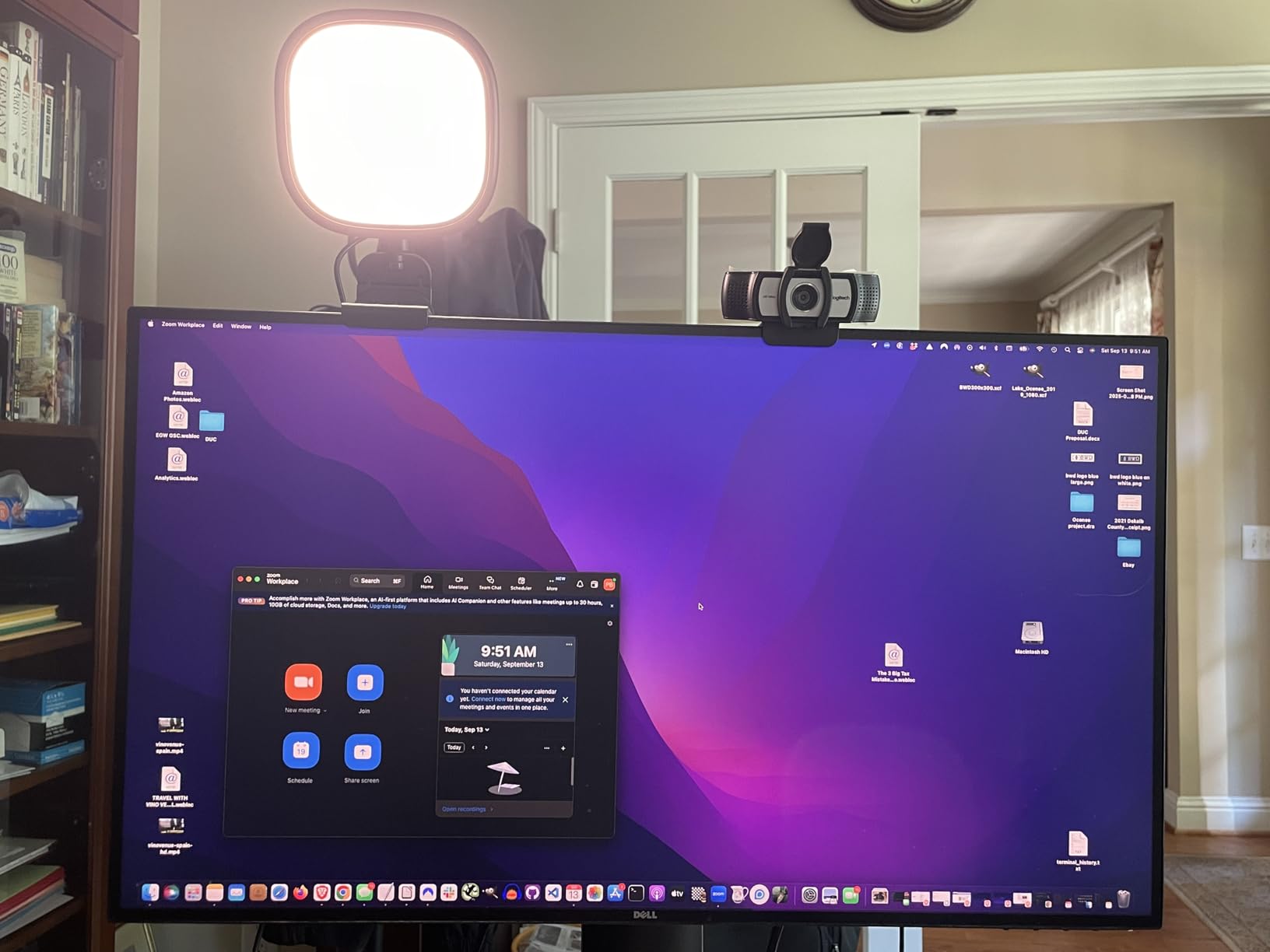
Ring lights migrated from content creators and makeup tutorials into mainstream office setups. Initially, they seemed like overkill—why would a normal person need studio lighting for work calls? But after months of looking at poorly lit versions of themselves during meetings, people reconsidered. A light that clips onto a laptop or monitor and provides even, adjustable illumination solves the problem directly. It’s not vanity; it’s correcting for the fact that home office lighting was never designed for video communication.

The clip mechanism matters more than it seems. Lights that require desk space compete with keyboards, notepads, coffee cups, and everything else already cluttering work surfaces. A clip-on light attaches to the laptop or monitor, hovering above the webcam at the ideal angle without occupying desk real estate. That spatial efficiency is what makes the light actually usable long-term rather than something that gets moved aside and forgotten.
Adjustability determines whether the light works across different contexts. A video call in the morning requires different brightness than one in the evening. A well-lit room needs less supplemental light than a dim one. Fifty lighting modes sounds excessive, but the underlying capability—fine-tuning color temperature and brightness to match conditions—is legitimately useful. Fixed-output lights work until the environment changes, then they’re either too bright or too dim.
Eye safety comes up more than expected. Staring at a bright light positioned near eye level for extended periods can cause strain or discomfort. Lights designed specifically for video use consider this, diffusing output or adjusting color temperature to reduce harshness. Budget ring lights often overlook this, prioritizing brightness over comfort, which results in people using them briefly before abandoning them because of headaches or eye fatigue.
The cultural shift is that video presence now matters professionally in ways it didn’t before. Looking presentable on camera isn’t optional for people whose jobs involve regular video calls. That doesn’t mean elaborate setups or professional equipment, but it does mean addressing obvious problems like poor lighting. A clip-on ring light is the minimum viable solution—enough to look competent on camera without requiring significant effort or expense. It’s infrastructure that should have existed from the start but only became necessary once video calls became unavoidable.
Previously listed at $30, the current listing shows $23 at the time of publishing. View current listing. Price at time of publishing. Subject to change.
"Note: Readers like you help support The Apple Tech. We may receive a affiliate commission when you purchase products mentioned on our website."