Cold weather does strange things to lithium-ion batteries. iPhones that show fifty percent charge indoors will suddenly drop to twenty percent—or shut down entirely—when exposed to freezing temperatures. It’s not a defect. It’s chemistry. Battery performance degrades in the cold, and while Apple has improved thermal management over the years, the fundamental limitation remains. People who spend time outdoors in winter know this intimately: their phone becomes unreliable exactly when they need it most.
Portable battery packs were supposed to solve this. Carry backup power, keep the iPhone charged, avoid the anxiety of a dead phone during a ski trip or winter hike. But most consumer-grade battery banks suffer from the same cold-weather vulnerability as the phones they’re meant to charge. They’re designed for temperate indoor use—bags, pockets, offices. Take them into sub-freezing conditions and their output drops. They charge slowly or not at all. The backup power fails when it’s actually needed.
This created a gap that wasn’t obvious until people started noticing what worked. Battery packs designed for heated clothing operate in cold environments by necessity. They’re built to power heating elements in jackets and vests for hours at a time, outdoors, in winter. That engineering carries over: they maintain output in cold weather where standard portable chargers falter. Someone carrying one for a heated vest realizes it also keeps their iPhone functional in conditions that would otherwise leave them with a dead device.
The adoption pattern isn’t straightforward. Most people don’t own heated clothing, so they’re not shopping for these batteries intentionally. But winter outdoor activities—skiing, snowboarding, hiking, hunting—push phones to their limits. After enough experiences with a dying iPhone on a cold mountain, people start looking for solutions. Heated vest batteries appear in that search, often by accident, and the realization follows: this wasn’t designed for phones, but it works better than things that were.
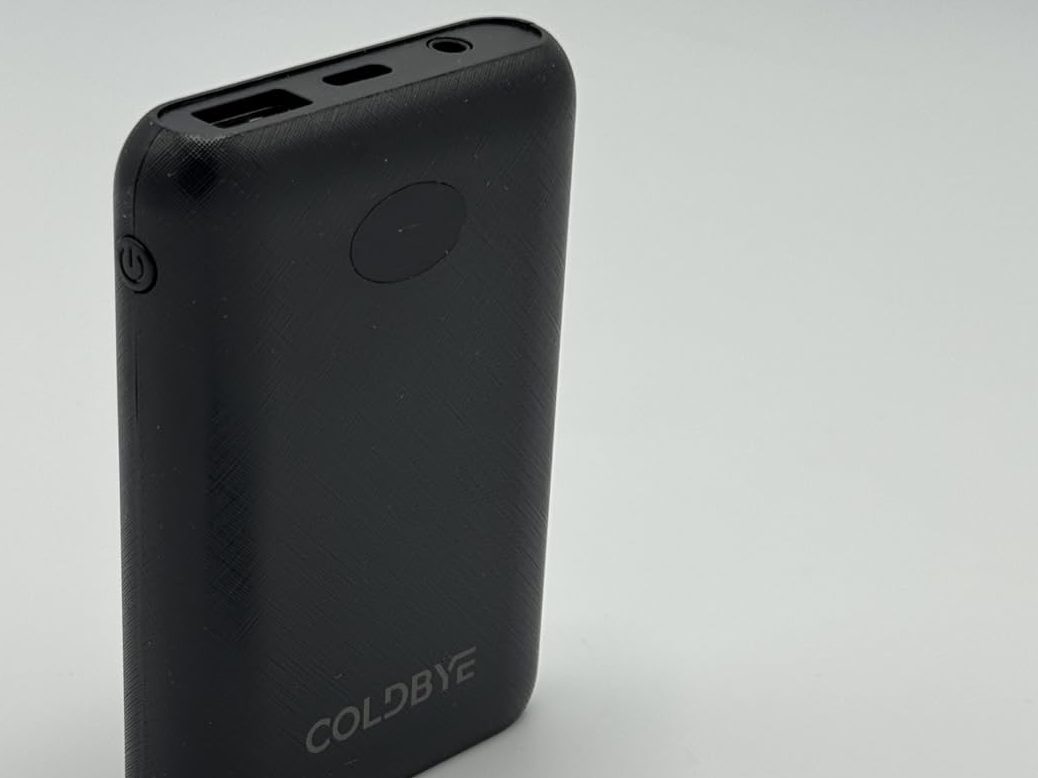
Compact sizing matters more than it sounds. Early heated clothing batteries were bulky—acceptable for a backpack or work gear, but impractical for daily carry. Newer iterations are smaller, closer in size to high-capacity phone chargers, which makes them viable for regular use. They’re still heavier and less elegant than Apple-branded accessories, but for someone who needs reliable power in cold weather, aesthetics take a back seat to function.
LED displays showing exact battery percentage are a small detail with outsized impact. Most portable chargers use vague LED indicators—four lights, three lights, ambiguous remaining capacity. Heated vest batteries show precise readouts because that information matters when you’re hours away from a power source and need to know exactly how much charge remains. That same precision benefits iPhone users who want to manage their backup power intelligently rather than guessing.
The crossover isn’t marketed or acknowledged by manufacturers. These batteries are still sold as heated clothing accessories, not phone chargers. But usage diverges from intent. People buy them for outdoor work or winter sports, then keep using them year-round because they’re more reliable than the portable chargers they replaced. The iPhone becomes a secondary beneficiary of engineering decisions made for entirely different purposes.
Previously listed at $24, the current listing shows $21.99 at the time of publishing. View current listing. Price at time of publishing. Subject to change.
"Note: Readers like you help support The Apple Tech. We may receive a affiliate commission when you purchase products mentioned on our website."