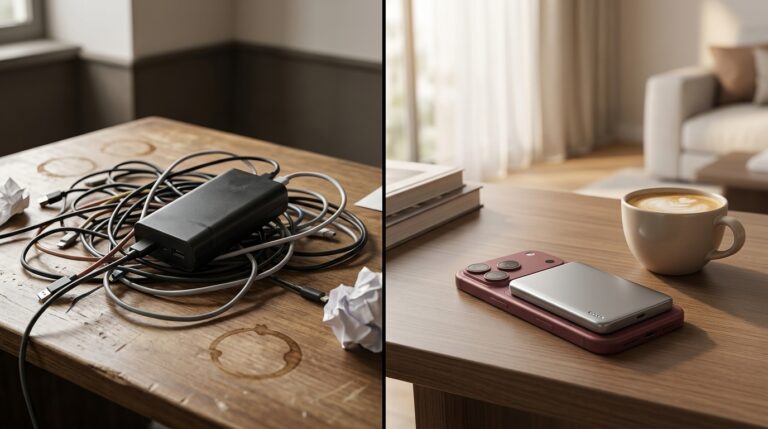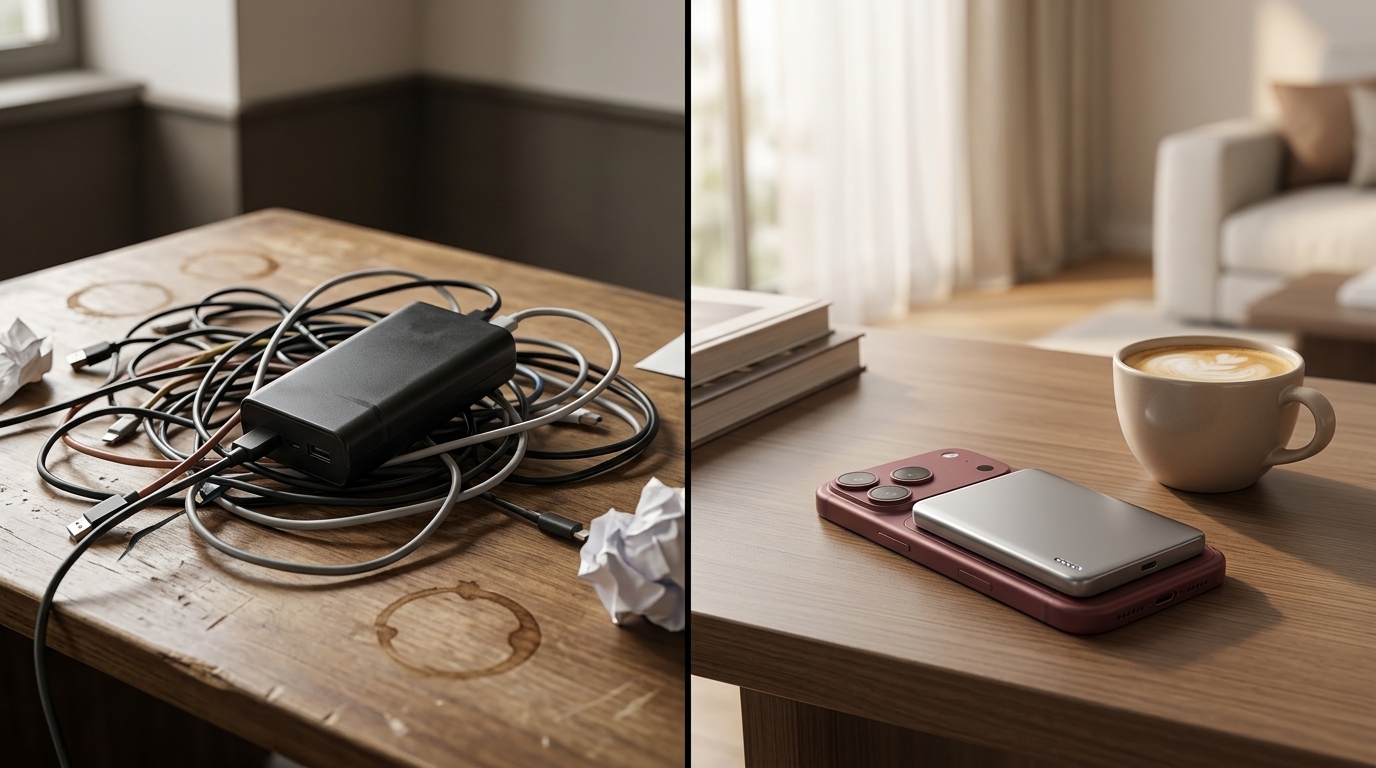


Battery packs designed for heated vests weren’t supposed to compete with iPhone accessories, but they do. The original purpose was straightforward: power heating elements in jackets and vests for outdoor work or winter recreation. High capacity, durable construction, temperature resilience. These weren’t consumer electronics—they were utility gear. Then people noticed they also charged phones, tablets, and accessories, and that they did it better than most products explicitly designed for that purpose.
Capacity is the obvious difference. A typical portable charger marketed for smartphones holds enough power for one or two full iPhone charges. Heated vest batteries hold significantly more because they were built to run heating elements for hours. That surplus capacity means charging an iPhone, iPad, and AirPods without worrying about rationing power. The use case expands from emergency backup to daily reliance.
Durability shifts the equation further. Consumer battery banks are designed for bags and pockets in controlled environments. Heated vest batteries are designed for construction sites, ski slopes, and hunting trips—places where they’ll get dropped, exposed to cold, or jostled in packs. That over-engineering translates into reliability for regular use. They don’t fail after a year. They don’t degrade noticeably after a hundred charge cycles. They’re built to last longer than the devices they’re charging.

Temperature resilience matters more than people realize until they’ve tried using a phone in cold weather. iPhone batteries lose efficiency below freezing. They drain faster, charge slower, and sometimes shut down unexpectedly. Standard portable chargers suffer similarly—they’re less effective in extreme cold. Heated vest batteries are spec’d to operate in those conditions because that’s their primary environment. Using one to charge an iPhone on a winter hike or ski trip means the backup power actually works when it’s needed most.
The form factor is less refined than Apple-branded accessories, but that’s not necessarily a disadvantage. These batteries have LED displays showing exact charge levels, multiple output ports, and physical buttons instead of touch-sensitive surfaces that fail with gloves on. They’re chunkier, but they’re also more functional in contexts where aesthetics matter less than reliability.
Adoption happens through adjacency. Someone buys a heated vest for winter work or outdoor activity. The battery charges their vest, but it also charges their phone during long shifts or remote excursions. They realize they’ve been carrying two batteries—one for clothing, one for devices—when one would suffice. The heated vest battery becomes the primary portable charger, and the consumer-grade battery bank gets retired or relegated to lighter-duty use.
This wasn’t a planned crossover. Heated clothing manufacturers weren’t targeting iPhone users. But the specifications aligned accidentally: high capacity, USB output, durability, temperature tolerance. Those attributes serve both use cases equally well. The result is a category of products competing in a market they weren’t designed for, and winning on practical grounds that brand-aligned accessories can’t match.
The current listing shows $33.99 at the time of publishing. View current listing. Price at time of publishing. Subject to change.
"Note: Readers like you help support The Apple Tech. We may receive a affiliate commission when you purchase products mentioned on our website."