
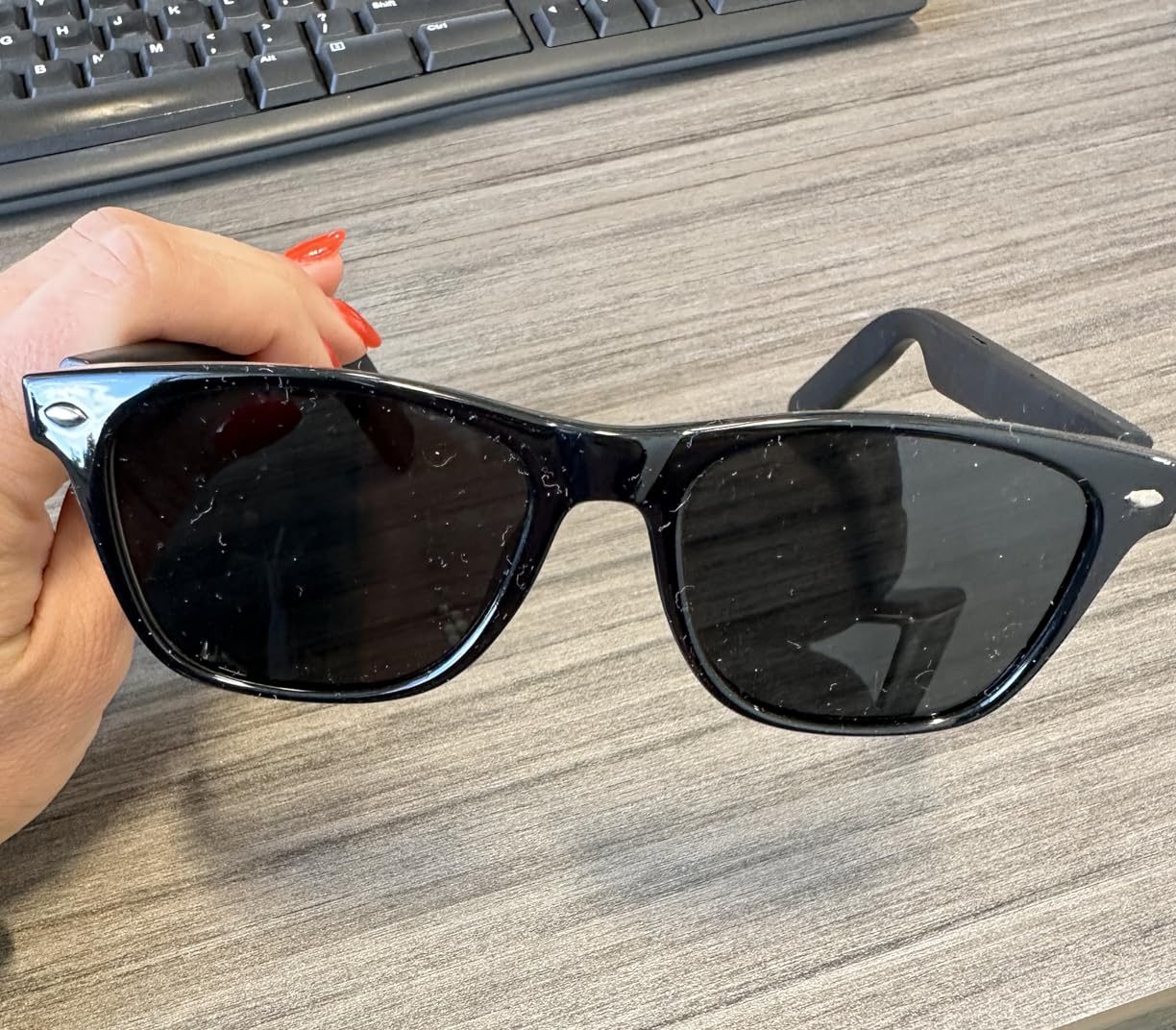
As generative AI tools become more capable at natural conversation and real-time assistance, the gap between what Siri offers and what users expect from voice interaction has widened noticeably.
Siri has been on the iPhone for over a decade. It can set timers, send texts, play music, and answer basic questions. What it can’t do—what it has never done well—is have a conversation. You ask it something slightly complex, and it either misunderstands or punts you to a web search. The interaction feels transactional, not collaborative. You’re issuing commands, not asking for help.
Generative AI voice assistants promise something different. They respond to follow-up questions. They remember context from earlier in the conversation. They can translate in real time, summarize information, or explain concepts without requiring you to rephrase your question three times. The difference is substantial enough that people who’ve used both start to notice Siri’s limitations more acutely.
Wearable AI interfaces—glasses with embedded microphones and speakers—shift the interaction model. The iPhone stays in your pocket, but the voice assistant moves to your face, where it can hear you clearly and respond without you pulling out a device. This proximity matters for translation scenarios. You’re talking to someone who speaks a different language, and the assistant mediates in real time, translating both directions without the awkwardness of holding up a phone between you.
Apple’s ecosystem has always prioritized privacy, which constrains what Siri can do. Processing happens on-device when possible, and cloud processing is anonymized. Generative AI assistants often require constant cloud connectivity and feed queries into large language models that learn from user interactions. The privacy trade-off is explicit: better responses in exchange for less data control. For some users, that trade is worth it. For others, it violates the reason they chose Apple devices in the first place.
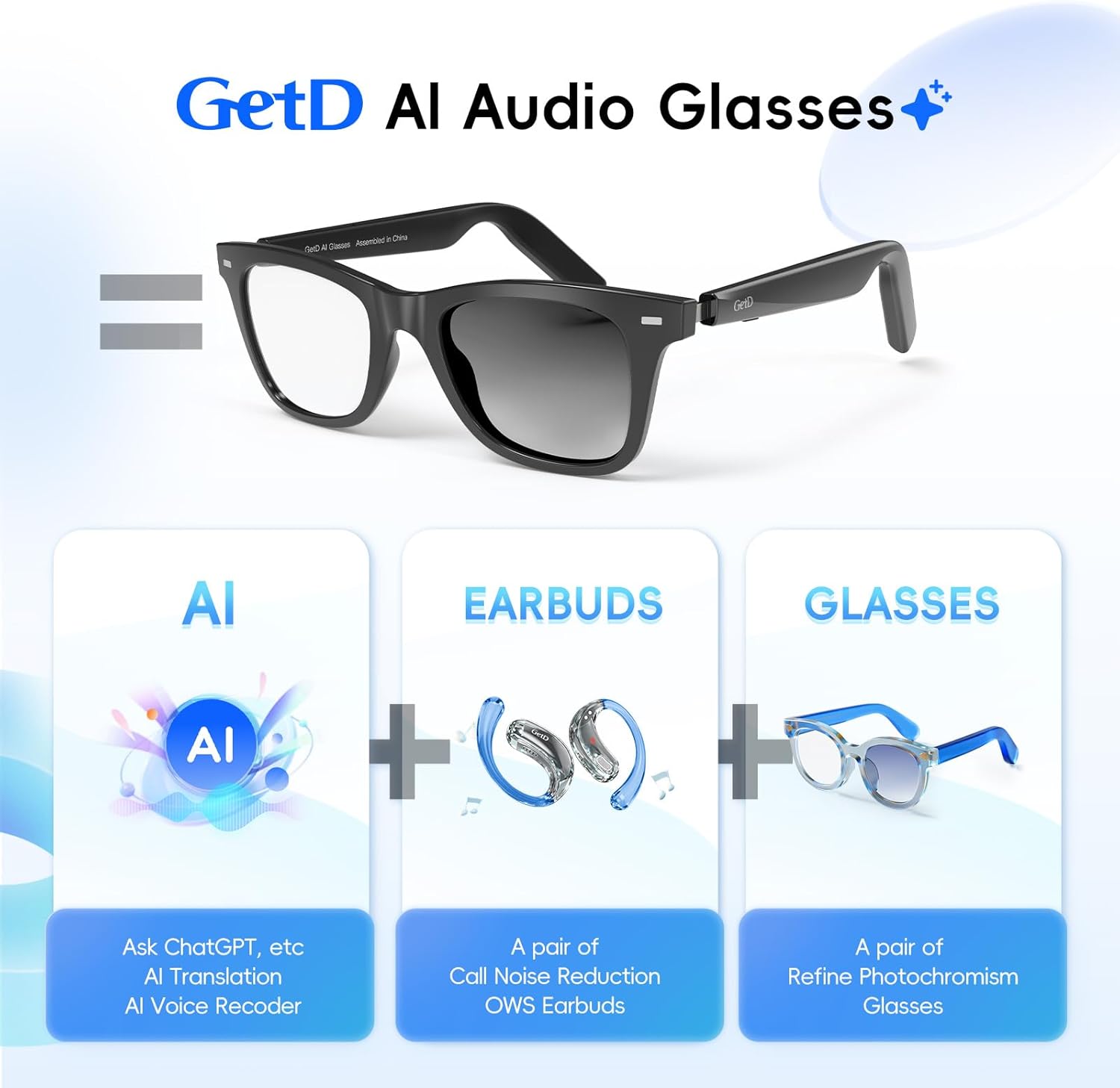
Battery life determines whether wearable AI actually stays wearable. If the glasses need charging every three hours, they stop being something you wear all day and become something you use for specific tasks, then put away. Eleven hours of continuous playback suggests the hardware can last a full day, but real-world usage with AI queries, translation, and music streaming likely reduces that. The device becomes another thing you’re managing alongside the iPhone, the Watch, and the AirPods, all of which need their own charging schedules.
The photochromic lens feature addresses a practical problem: wearable tech that looks conspicuously like tech. Glasses that darken in sunlight resemble regular eyewear, which reduces the social friction of wearing a computer on your face. This matters more in casual settings—coffee shops, public transit, walking around a city—where overt tech accessories can feel intrusive or attention-seeking. The glasses need to be functional, but they also need to not look ridiculous.
Integration with the iPhone exists but remains peripheral. The glasses connect via Bluetooth, which means they can play audio from iOS apps and potentially take calls, but they don’t deeply integrate with Apple’s ecosystem. Shortcuts won’t trigger them. They don’t appear in Control Center. They’re a separate device that happens to work with the iPhone, not an Apple accessory that extends iOS capabilities. This creates a bifurcation: you use Siri for some things, the glasses’ AI for others, and you have to remember which assistant is better at what.
Previously listed at $100, current listings hover around $40 (CODE GG23202611) for models with generative AI voice access and real-time translation. The price point positions them as experimental rather than essential—something curious users might try to see if voice AI has progressed enough to replace pulling out the iPhone for every question. For people who travel frequently or work in multilingual environments, the translation feature alone justifies the friction of adopting a non-Apple voice assistant. For everyone else, the glasses are a glimpse at what voice interaction could be, held back by the fact that Apple’s ecosystem doesn’t yet support that vision natively.
"Note: Readers like you help support The Apple Tech. We may receive a affiliate commission when you purchase products mentioned on our website."