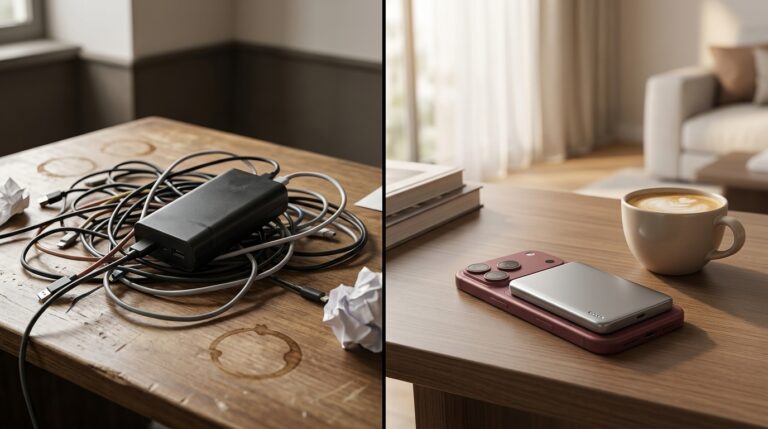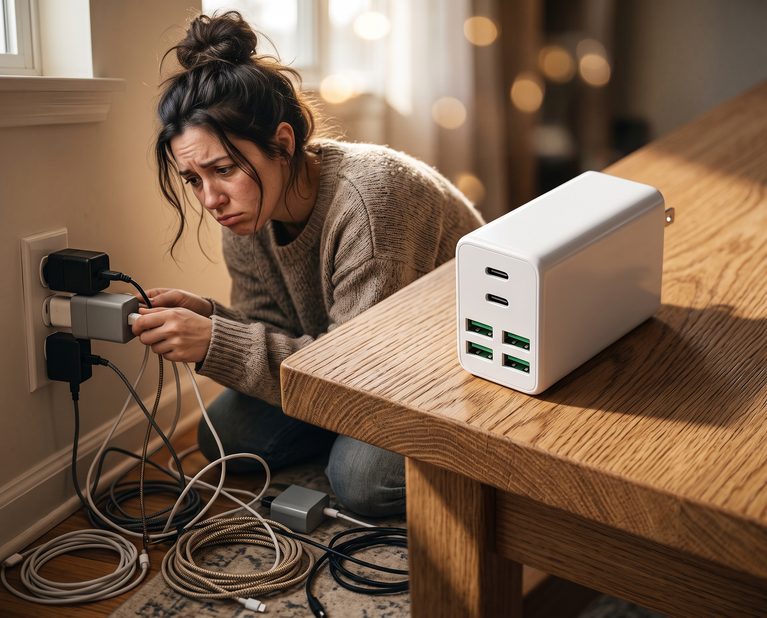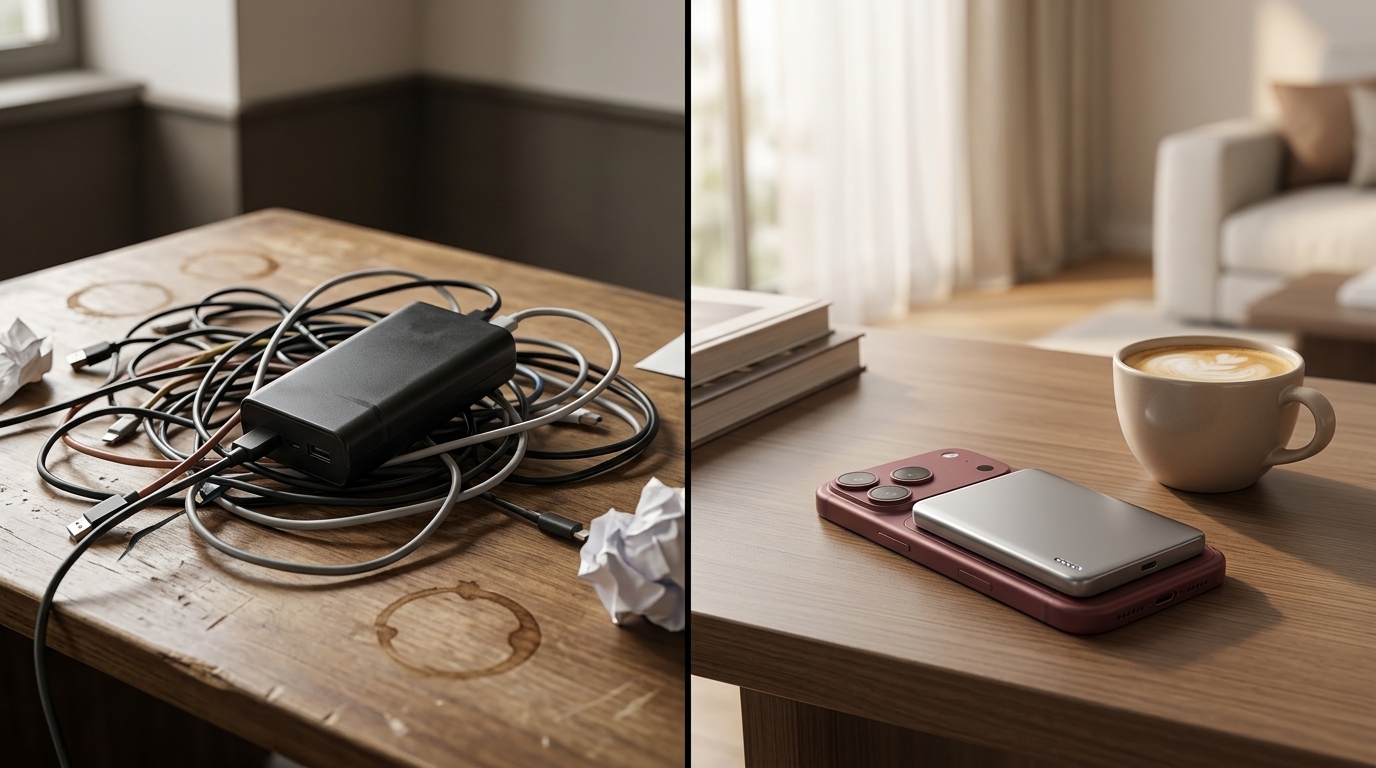

Bedside charging has always involved a small moment of coordination: finding the port in the dark, aligning the connector, pushing until it clicks. For Lightning cables, this meant a fifty-fifty chance of getting the orientation right on the first try. For older USB standards, it was somehow worse.
MagSafe eliminated the targeting problem entirely. The iPhone finds its own alignment, pulled into place by magnets embedded in both phone and charger. No fumbling, no precision required, just proximity. The phone snaps into position with tactile feedback that works even when eyes are closed.
This isn’t transformative technology in a headline sense, but it represents a real reduction in friction for a task that happens daily, often while exhausted. The bedside table becomes slightly more functional—a designated landing spot where the phone settles into charging without conscious effort.
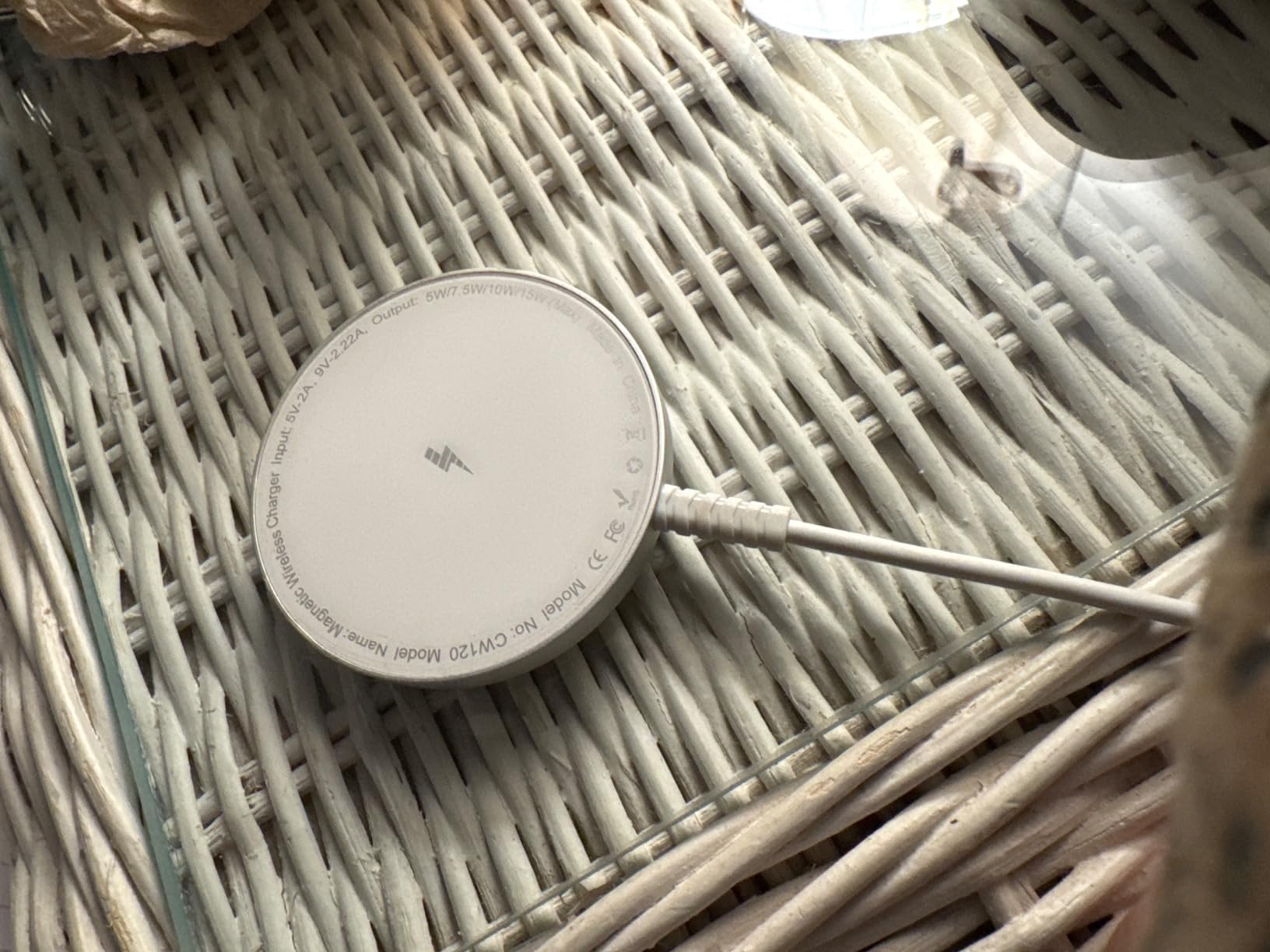
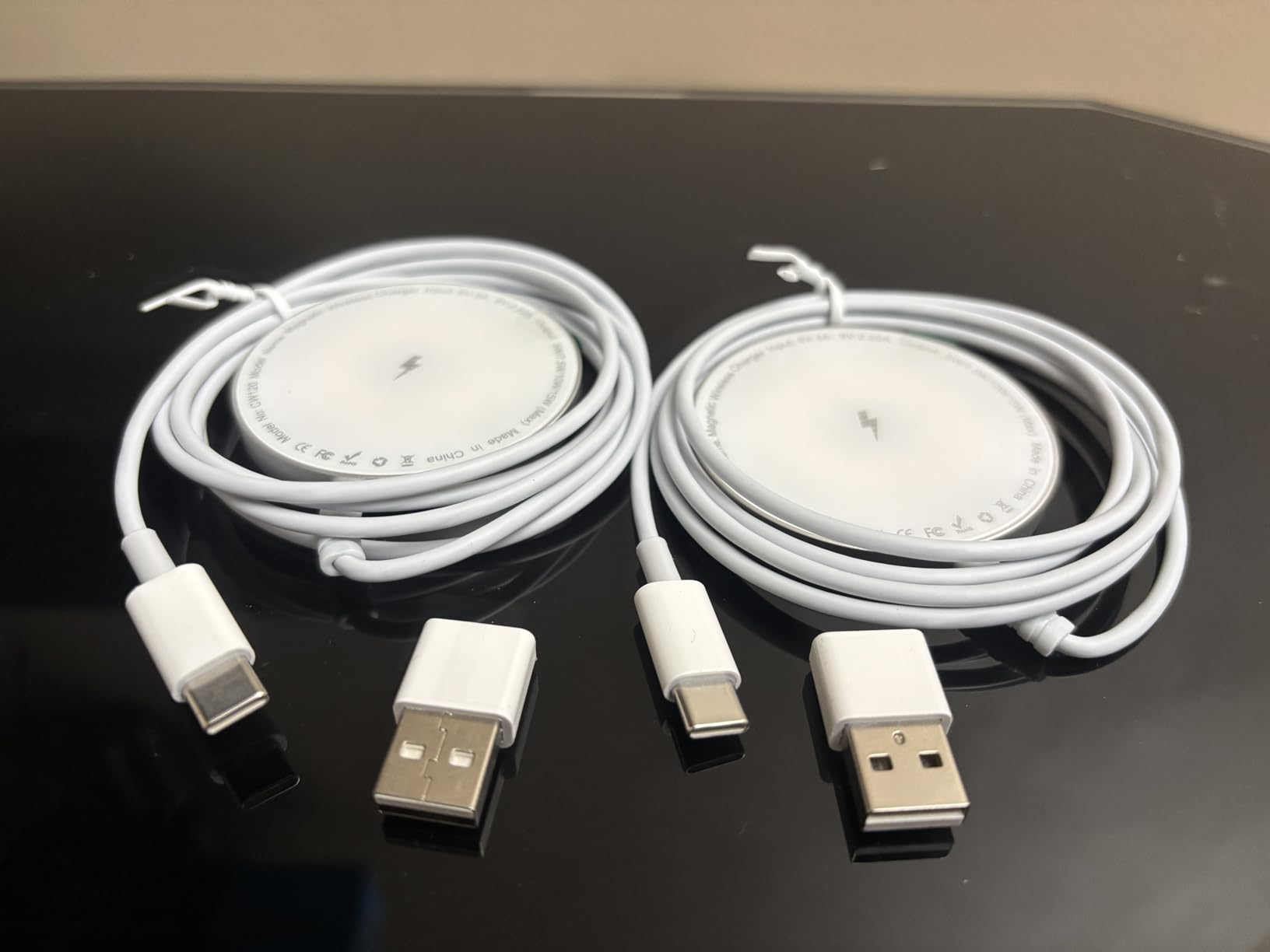
The third-party charging pads that have emerged around MagSafe adopt minimalist design principles that feel native to Apple’s aesthetic. Thin aluminum discs, subtle LED indicators, integrated USB-C connections. They disappear into bedside landscapes rather than dominating them.
SIMILAR
iPhone and MacBook users are compensating for a port problem Apple created
iPhone users are eliminating the tangled cable from every car charging session
iPhone users are transforming nightstands into silent charging infrastructure
Portable variants collapse the distinction between travel charger and permanent installation. The same disc that sits on a nightstand can drop into a bag for hotel stays, maintaining the same interaction model across contexts. Muscle memory transfers perfectly.
The ecosystem lock-in is real but not aggressive. MagSafe works exclusively with recent iPhone models and compatible accessories like AirPods cases. It’s a boundary that defines the market rather than punishing users who cross it.
Pricing has settled into a narrow band, with most reliable options landing between fifteen and twenty-five dollars. Previously listed at $22.99, current listings hover around $13.63 for ultra-thin variants that prioritize portability alongside desktop use.
The change is experiential rather than functional. Charging still happens at the same rate, delivers the same result. But the path to that result got slightly easier, and those small improvements accumulate.
"Note: Readers like you help support The Apple Tech. We may receive a affiliate commission when you purchase products mentioned on our website."