Apple’s computational photography has quietly recalibrated what iPhone users expect from a camera. Night mode brightens dark scenes. Smart HDR balances harsh sunlight. Deep Fusion sharpens texture in moderate light. The camera app handles exposure adjustments that once required manual intervention, and for most situations, this works seamlessly.
But there’s a constraint that software can’t fully resolve: the absence of directional light on a subject. The iPhone can brighten a dark room, but it can’t create dimensionality where light isn’t reaching a face or object from the right angle. The limitation surfaces in specific environments—dinner tables, indoor events, evening gatherings—where the iPhone captures the scene but flattens the subject into ambient dimness.
For years, iPhone photographers adapted by repositioning themselves or their subjects. Moving closer to a window. Angling toward overhead fixtures. Waiting for better conditions. These adjustments became reflexive, part of the unspoken workflow of shooting with a phone. It wasn’t a failure of the device—it was simply how photography worked in less-than-ideal lighting.
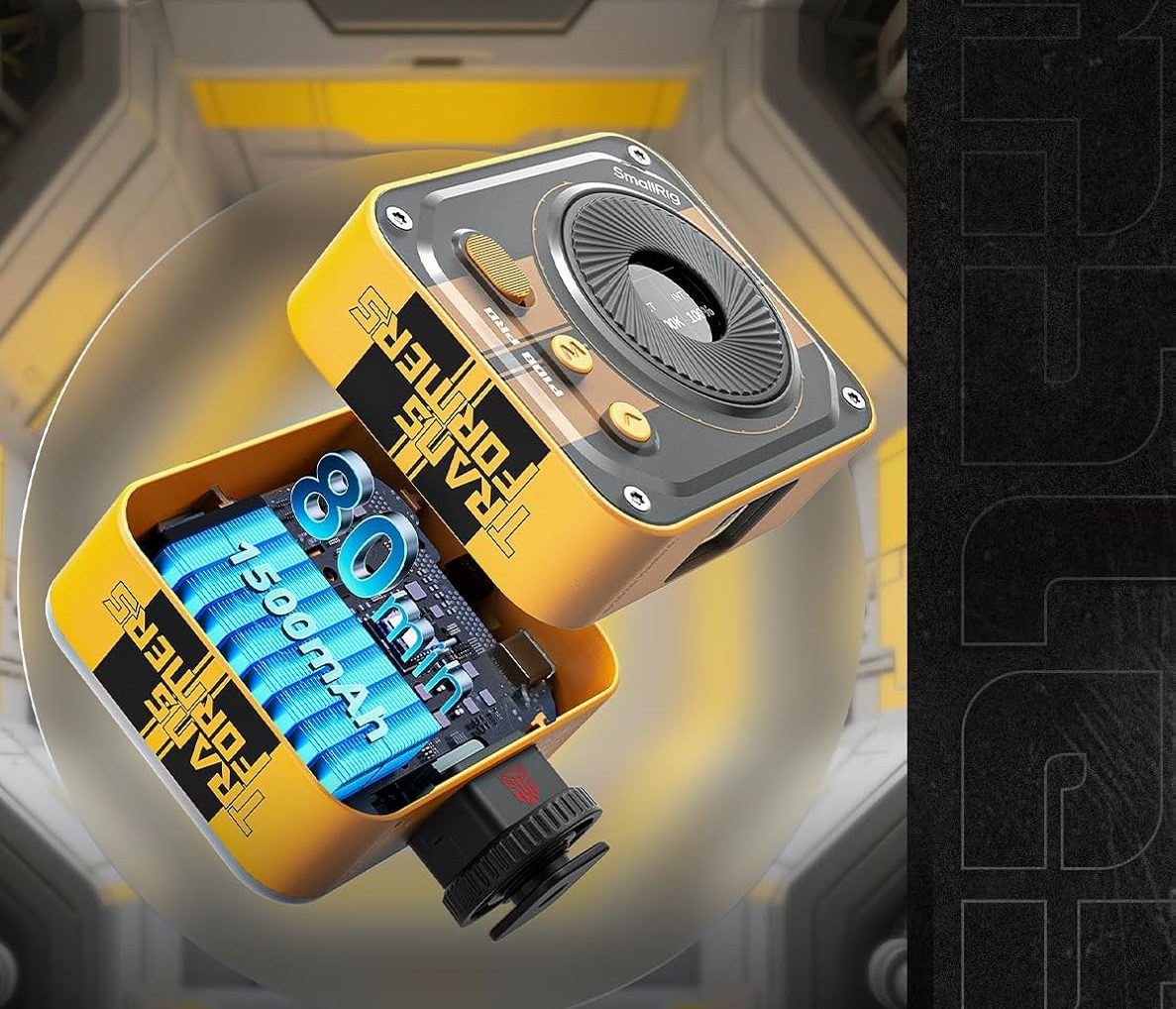
What shifted recently is the normalization of supplemental lighting among casual content creators. Not studio setups or tripod-mounted softboxes, but compact LED panels small enough to fit in a jacket pocket. These attach directly to the iPhone via cold shoe mounts or magnetic accessories, providing fill light that the camera’s sensor can then process more effectively.
The behavior change is understated. Users aren’t adopting professional photography habits—they’re reducing a recurring friction point that had become part of the routine. The iPhone still does most of the work. The added light simply gives the computational system more information to work with, which results in shots that look closer to what users thought they were capturing in the first place.
For iPhone users who’ve spent years trusting the camera app to handle exposure automatically, adding physical lighting feels both intuitive and slightly overbuilt. It addresses a gap that wasn’t obvious until it disappeared. The gesture of holding a small light panel while framing a shot integrates into existing muscle memory without requiring new technical knowledge.
The shift happens without announcement. Users don’t describe it as learning photography—they’re just noticing that indoor shots started looking less muddy. Listings for compact LED panels designed for smartphone use currently reflect a reduction of roughly 36 percent compared with earlier availability.
"Note: Readers like you help support The Apple Tech. We may receive a affiliate commission when you purchase products mentioned on our website."