

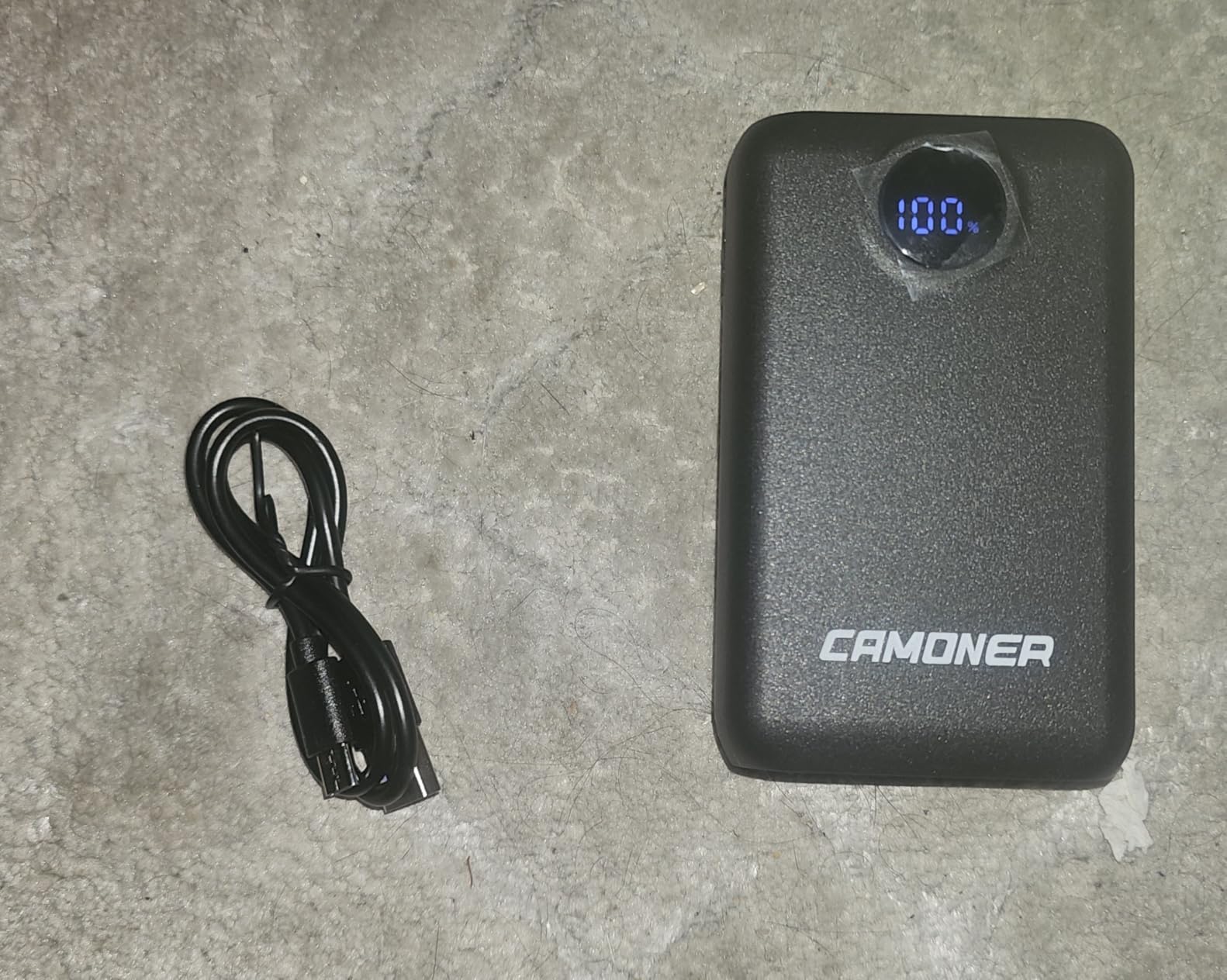
Portable power banks evolved in two directions. One path led to slim, pocket-friendly batteries for phones and tablets. The other led to high-capacity, specialized batteries for equipment that consumed power differently—heated vests, portable fans, camping lights, electric blankets. This battery belonged to the second category, serving a market that overlapped minimally with the iPhone ecosystem.
The voltage specification—five volts at three amps—defined compatibility. Many heated garments operated at seven-point-four or twelve volts, drawing more power than this battery could provide. The digital screen displayed remaining charge, but more importantly, it confirmed the battery was delivering the correct voltage. Using the wrong voltage could damage equipment or create safety hazards, so the screen served as verification, not just information.
Capacity at twenty thousand milliamp-hours made the battery heavy. This wasn’t something that slipped into a jacket pocket alongside a phone. It stayed in a backpack or a car during outdoor activities, connected to a heated vest via a cable that ran under clothing. The weight was acceptable because the battery wasn’t meant to be carried casually—it was infrastructure for specific conditions.
Seasonal use defined the battery’s lifecycle. People bought these batteries before winter camping trips, ski vacations, or outdoor work in cold climates. The battery charged heated clothing that made those activities tolerable. For the rest of the year, it sat unused. Some people repurposed it as a phone charger, but the size and weight made it impractical for that role. It was overpowered for a phone and under-optimized for portability.
SIMILAR
iPhone and MacBook users are compensating for a port problem Apple created
iPhone users are eliminating the tangled cable from every car charging session
iPhone users are transforming nightstands into silent charging infrastructure
The digital screen differentiated this battery from cheaper alternatives. A percentage readout let users know how much runtime remained, which mattered when the battery was powering something essential like heated clothing in freezing conditions. Running out of power wasn’t just inconvenient—it could be uncomfortable or unsafe. The screen reduced uncertainty.
Compatibility with phone charging was almost incidental. The battery had the capacity to charge a phone many times over, but that wasn’t its primary purpose. People who owned these batteries sometimes used them as backup phone chargers during power outages or extended camping trips, but those were secondary use cases. The battery was designed for something specific, and phone charging was just a bonus feature.
Pricing reflected the specialized nature of the product. Previously listed at $28.19, current listings hover around $22.94. That’s more expensive than standard phone power banks with similar capacity, reflecting the voltage regulation and display features needed for heated garment compatibility. The price was reasonable for people who needed this specific functionality but seemed excessive for anyone just looking to charge a phone.
The battery represented a fragment of the portable power market that rarely intersected with the Apple ecosystem. iPhone users might own one of these batteries for outdoor hobbies, but it lived in a different part of their lives, stored with camping gear or winter clothing rather than with their phone accessories. It was a reminder that portable power had diversified far beyond smartphone charging, serving use cases that had nothing to do with notifications or apps.
"Note: Readers like you help support The Apple Tech. We may receive a affiliate commission when you purchase products mentioned on our website."






