
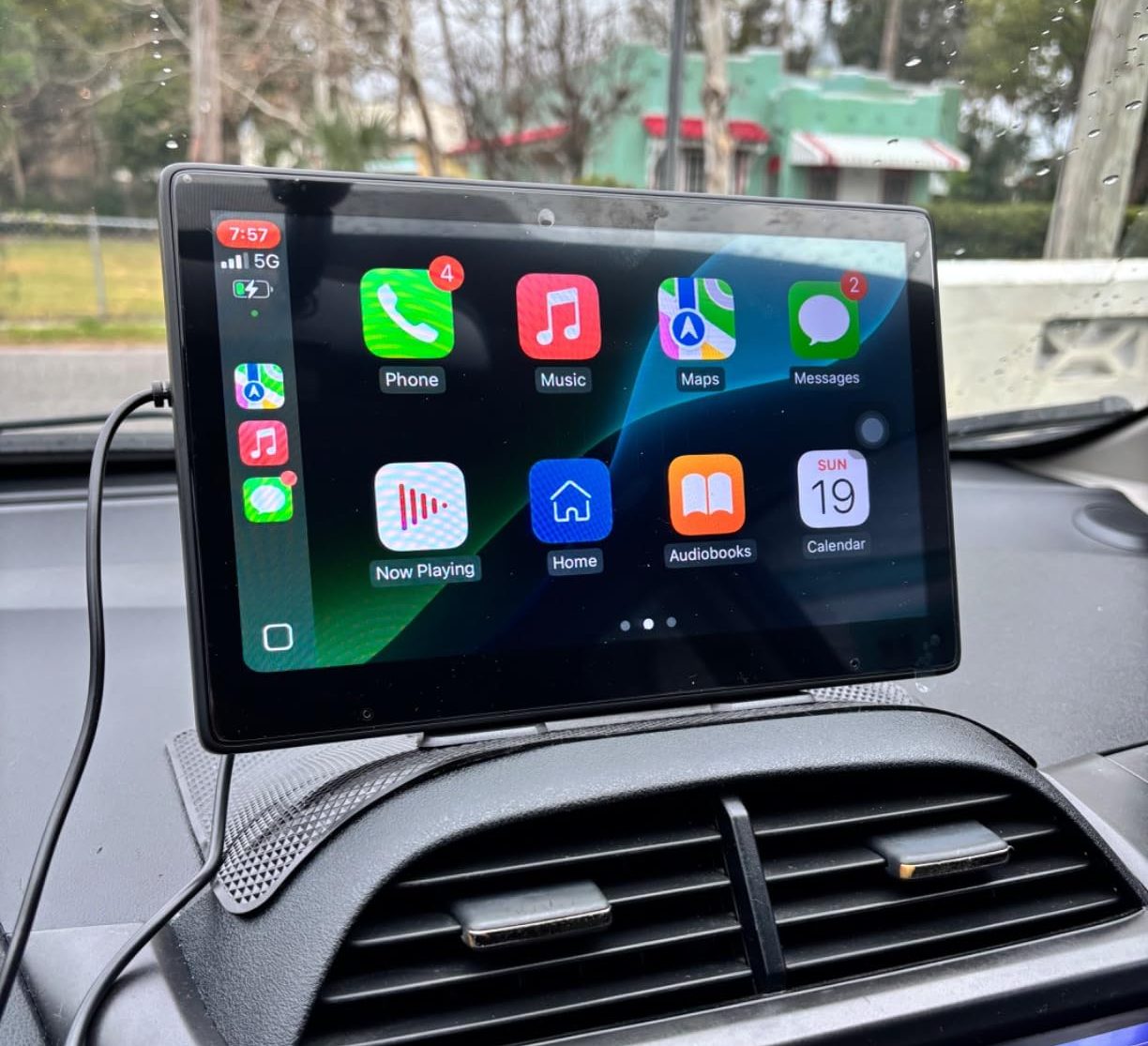
The gap between Apple’s CarPlay capabilities and aging vehicle systems has pushed drivers toward aftermarket solutions that fundamentally alter their dashboard experience.
There’s a specific frustration that builds when you own a vehicle that predates CarPlay integration but still has years of life left in it. Your iPhone runs navigation beautifully, but you’re stuck propping it in a mount or glancing at it in your lap. The car’s built-in system—if it has one—uses outdated maps and an interface designed before anyone understood how people actually use navigation apps. The disconnect becomes unbearable.
For a while, the assumption was you’d live with this until your next vehicle purchase. But car ownership timelines have stretched. People keep their vehicles longer now, whether for financial reasons or because modern cars last. Waiting five more years to get CarPlay through a new car purchase started feeling unreasonable when the phone in your pocket could already do everything, if only the dashboard could display it properly.
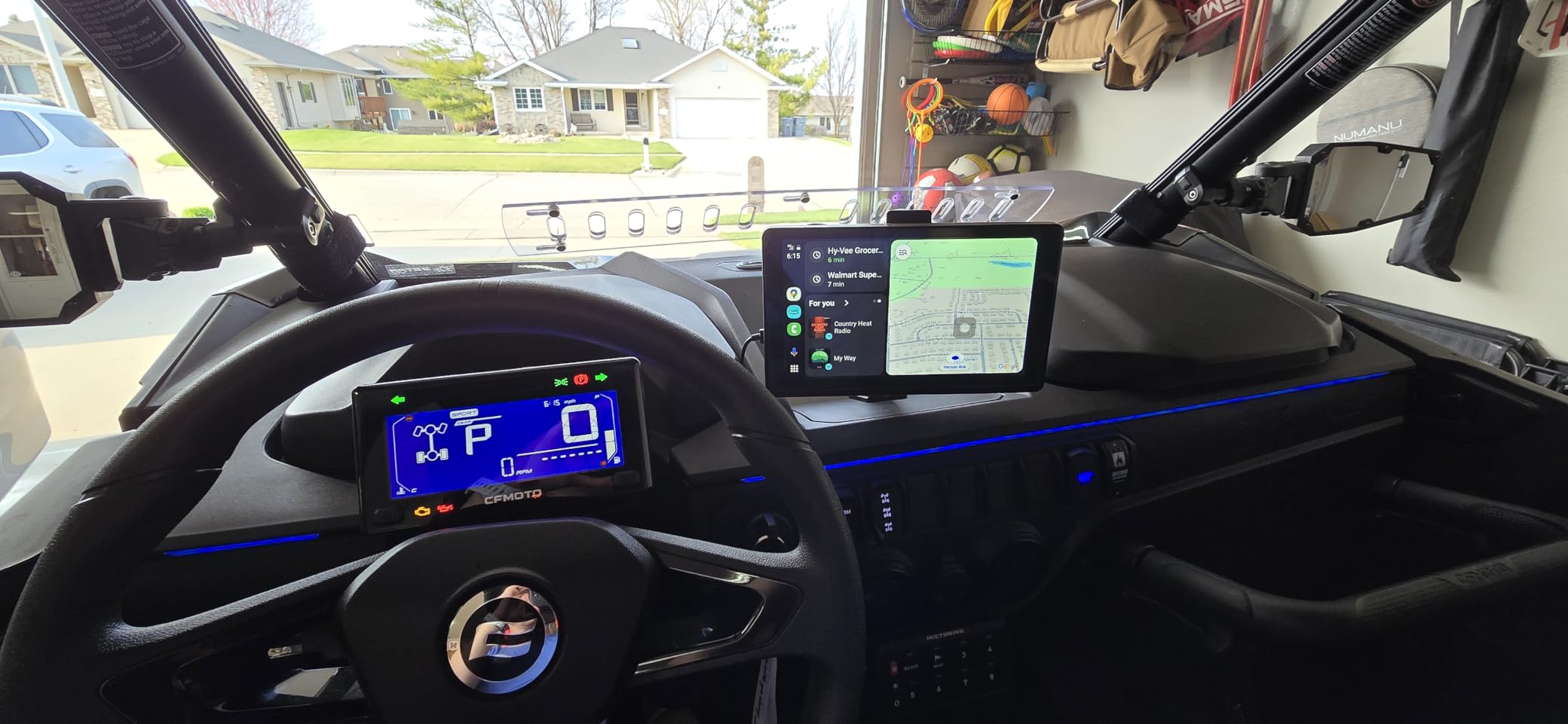
What’s emerged is a retrofit market for screens that essentially replace your car’s original display system with what amounts to an external monitor for your iPhone. These aren’t simple aux cord solutions. They’re full touchscreen installations that take over the dashboard space, giving older vehicles the interface newer models have built in. The installation ranges from straightforward to requiring moderate technical confidence, but people are attempting it anyway.
This shift reveals how completely CarPlay has reset expectations for in-vehicle technology. It’s not just a nice feature—it’s become the baseline for what acceptable car functionality looks like. Without it, your vehicle feels obsolete even if everything mechanical works perfectly. Apple has essentially defined the standard for dashboard interfaces, and anything that doesn’t meet it registers as inadequate.
The interesting part is how this has changed the conversation around vehicle value and longevity. A mechanically sound car from 2015 becomes harder to tolerate not because it fails functionally, but because the technology gap is too wide. The iPhone in your pocket is vastly more capable than the car’s computer. That disparity creates friction every time you drive.
There’s also a financial calculation people are making, often reluctantly. Spending several hundred dollars to upgrade a dashboard feels wrong when the car already has a display system. You’re not fixing something broken—you’re replacing something inadequate. But the alternative is years of frustration using navigation through a phone mount or suffering through the car’s original system. The retrofit wins.
SIMILAR
Apple Home users are managing smart outlets through competing voice assistants as HomeKit compatibility remains inconsistent
Why some Apple ecosystem users are quietly adding Windows machines to home offices
iPhone users are redesigning car charging setups as multiple devices compete for limited power during commutes
The broader pattern is Apple’s ecosystem expanding its reach into spaces where it wasn’t originally designed to operate, then creating pressure on those spaces to adapt. CarPlay wasn’t meant to make ten-year-old cars feel obsolete, but that’s the practical effect. The gap between what your phone can do and what your car allows becomes unacceptable, even when the car itself functions fine.
Previously listed at $69.99, aftermarket CarPlay touchscreen displays for larger vehicles current listings hover around $58.99 (CODE NL44AOGR).
"Note: Readers like you help support The Apple Tech. We may receive a affiliate commission when you purchase products mentioned on our website."