

The Apple Watch has long occupied a singular space on the wrist, serving as a constant bridge between digital connectivity and personal style. However, the rubberized textures and high-performance weaves that define the initial experience often create a specific kind of friction in professional settings. There is a perceptible moment of hesitation when a high-visibility, athletic-leaning strap peeks out from under a tailored sleeve during a boardroom presentation. This disconnect has prompted a quiet migration toward materials that feel more anchored in the long history of horology.
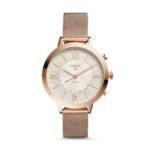
Stainless steel has traditionally been the language of the professional timepiece, offering a weight and reflectivity that suggests permanence. When an Apple Watch is paired with a slim metal link construction, the device begins to recede as a piece of “tech” and emerges as a refined accessory. This transition is less about hiding the capabilities of the watch and more about aligning its physical presence with the environment. It changes the visual narrative from one of constant activity to one of measured, professional composure.
The ergonomics of a watch strap are often overlooked until they become a distraction. In a typical workday involving hours of typing on a MacBook or gesturing during meetings, the bulk of a band can become a physical nuisance. Moving toward a slimmer profile in metal links addresses this subtle friction point. A narrower band allows for a more natural resting position of the wrist against a desk surface, reducing the constant micro-adjustments many users make throughout a ten-hour day.

We are also observing a shift in how the Apple ecosystem is maintained across different social contexts. Many users have developed a ritual of “dressing” their watch for the occasion, much like they might select a specific pair of shoes.The ease of the modular attachment system allows the watch to pivot from a rugged fitness tracker in the morning to a formal business tool by midday. This flexibility is essential for those who view their devices as life-management tools rather than just specialized gadgets.
Reliability in a watch strap isn’t just about the strength of the lugs; it’s about the security of the clasp and the integrity of the links over months of daily wear. A metal bracelet provides a tactile sense of security that synthetic materials sometimes lack. There is a reassurance in the audible click of a folding clasp—a mechanical certainty that the hardware is safely tethered, whether one is navigating a crowded subway or rushing through a terminal for a flight.
The aesthetic of the Apple Watch has always been one of clean lines, but the addition of a metallic link structure introduces a needed complexity. It breaks up the silhouette of the glass and aluminum or titanium casing, adding a layer of texture that catches the light differently. This nuance is particularly appreciated by those who have worn traditional watches for decades and find the transition to a purely digital face to be a significant cultural shift.
Ultimately, the choice of what we wear on our wrists is a deeply personal expression of how we see ourselves. As the Apple Watch becomes an even more permanent fixture in our lives, the desire to customize its character grows. Moving toward a stainless steel aesthetic is an acknowledgement that while we value the cutting-edge capabilities of the software, we still crave the tactile, timeless feel of classic materials. It is the final step in fully integrating wearable technology into a sophisticated adult wardrobe.
The current listing shows $30 at the time of publishing. View current listing. Price at time of publishing. Subject to change.
"Note: Readers like you help support The Apple Tech. We may receive a affiliate commission when you purchase products mentioned on our website."