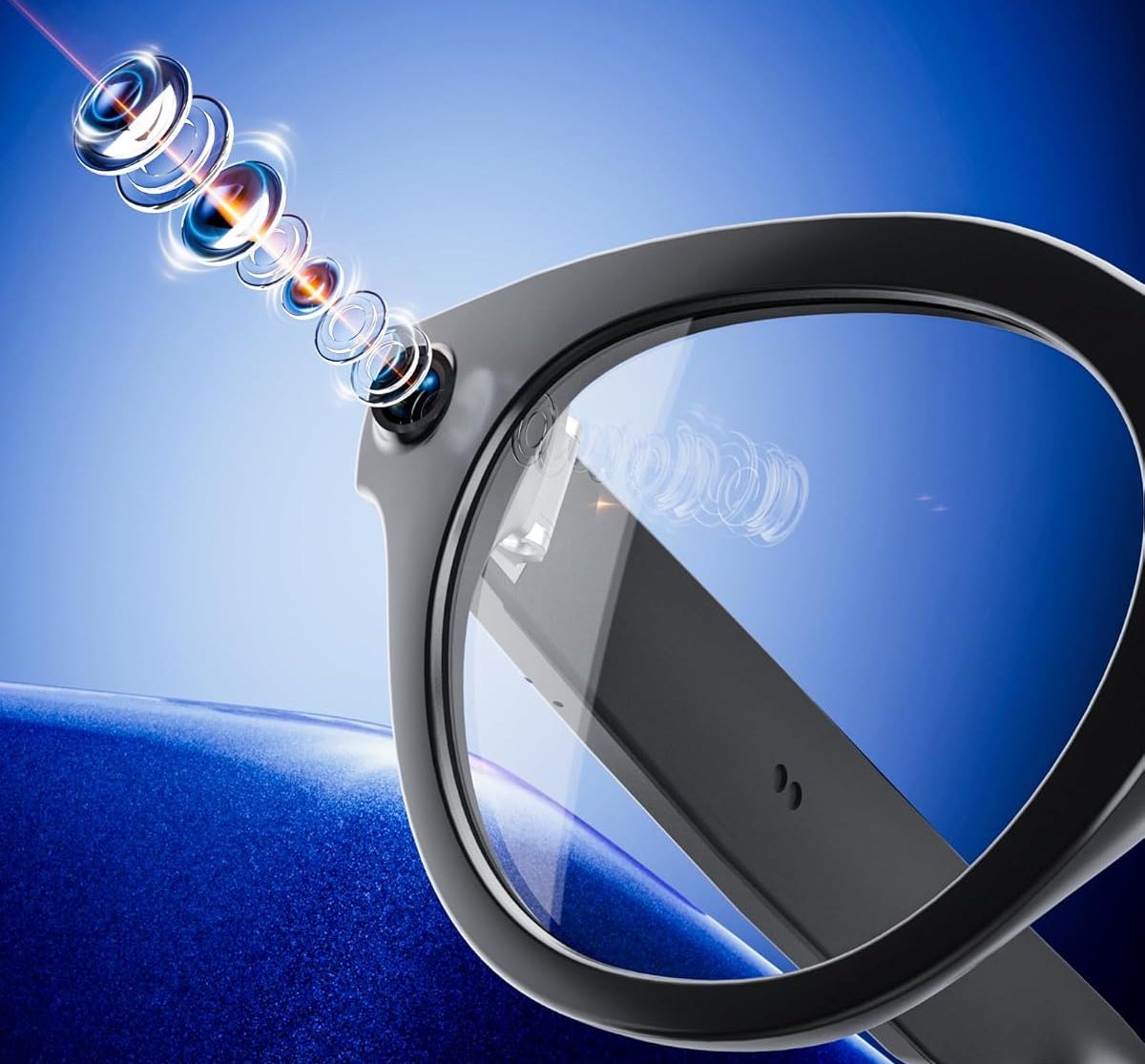
Wearable cameras have existed for years, but their integration into everyday eyewear has changed how recording functions in daily life. A camera embedded in glasses doesn’t need to be aimed. It captures whatever the wearer is looking at, which means recording becomes ambient rather than intentional. The friction of pulling out a phone and framing a shot disappears.
This seamlessness has practical appeal. For travelers, it means capturing moments without interrupting the experience. For meeting participants, it offers a way to document conversations without holding a device or taking notes. The glasses record in the background, and the wearer remains present. The trade-off is that others in the frame may not realize they’re being documented.
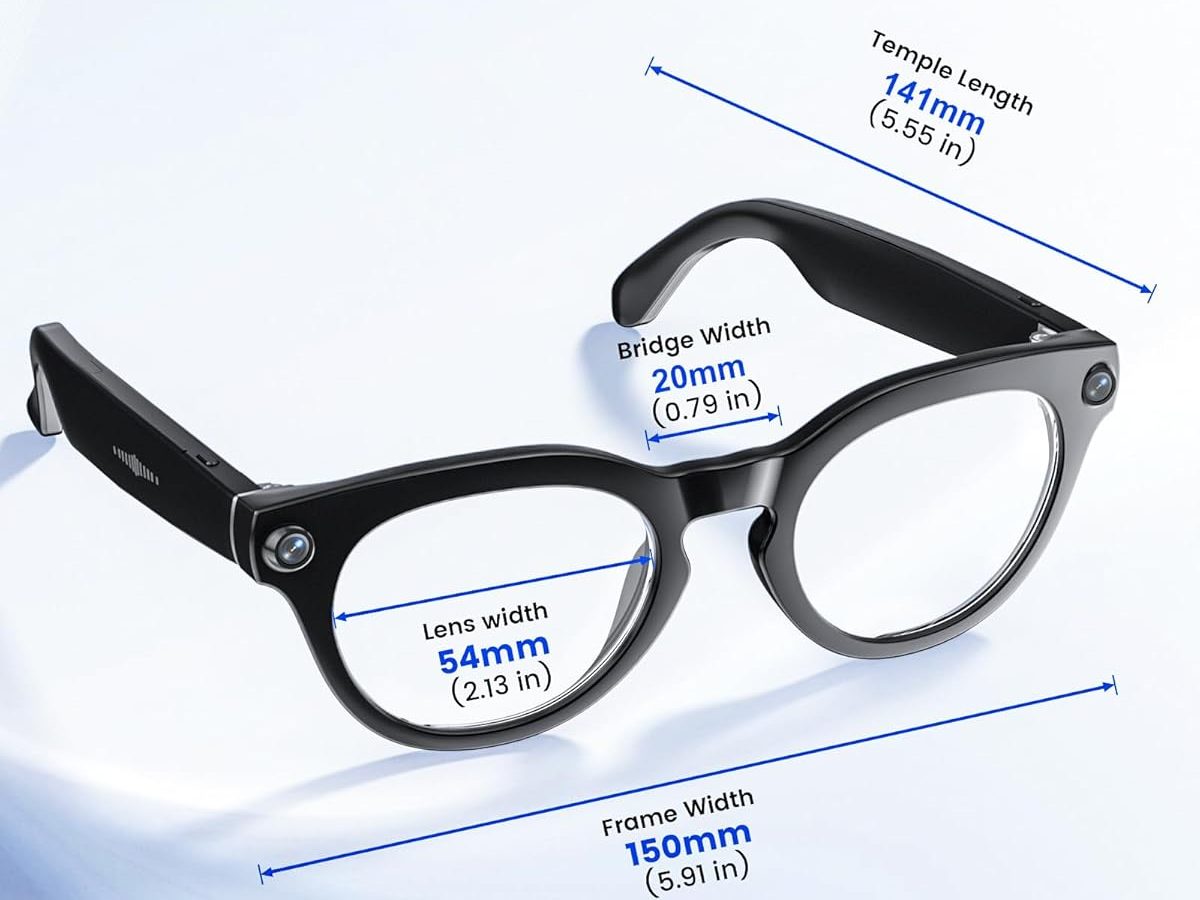
That opacity creates new social friction. A phone held up to record sends a clear signal. Glasses with a small camera lens do not. People in public spaces—restaurants, transit systems, workplaces—are accustomed to visible recording devices. A camera that looks like regular eyewear bypasses that visual cue, which shifts the balance of awareness. The person being recorded may have no way to know unless they’re told.
The addition of real-time translation and voice assistant features positions these glasses as productivity tools, not just recording devices. The camera becomes secondary to the utility—transcription, navigation, language support. But the camera is always there, always ready, always capturing when activated. The tool justifies the presence, but the recording capability remains.
SIMILAR
Why iPhone users are carrying standalone noise machines instead of relying on sleep apps
Apple Watch charging became a bedside ritual, here's why the placement matters more than expected
iPhone users are quietly giving up the cable and most dont realize why it happened so gradually over time
This technology also introduces tension around retention and sharing. A twelve-minute continuous video creates a substantial record of interactions, environments, and faces. Once captured, that footage can be edited, extracted, or uploaded. The wearer controls what happens to the recording, but the people in it do not. Privacy expectations that were built around visible cameras don’t translate cleanly to wearable ones.
Some environments are beginning to respond. Workplaces, schools, and private venues are setting policies around wearable cameras, treating them the same way they treat phones in restricted areas. But enforcement is harder when the device looks like ordinary eyewear. The friction shifts from the technology to the trust required to know it’s not being used.
Apple has not yet entered this category, but its ecosystem is designed around devices that blur the line between passive presence and active capture. The Apple Watch records health data continuously. AirPods can amplify conversations. The iPhone’s camera is always one tap away. Wearable glasses would extend that model further, making capture even more ambient and even less visible.
Previously listed around $130, current versions of smart glasses with integrated cameras and voice assistants now appear closer to $100 in some listings.
"Note: Readers like you help support The Apple Tech. We may receive a affiliate commission when you purchase products mentioned on our website."