

A feature that launched as a convenience has quietly become a prerequisite. The way people evaluate protective cases has shifted around a single magnetic ring.
MagSafe arrived as an accessory feature, something nice to have but not essential. Three years later, it’s become a filter. People shopping for iPhone cases now check compatibility before they consider price, color, or protection level. The magnet array inside the phone has redefined what “complete” means.
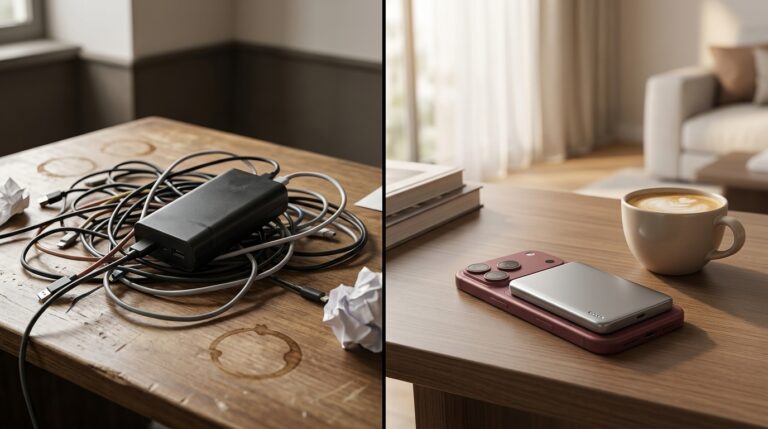
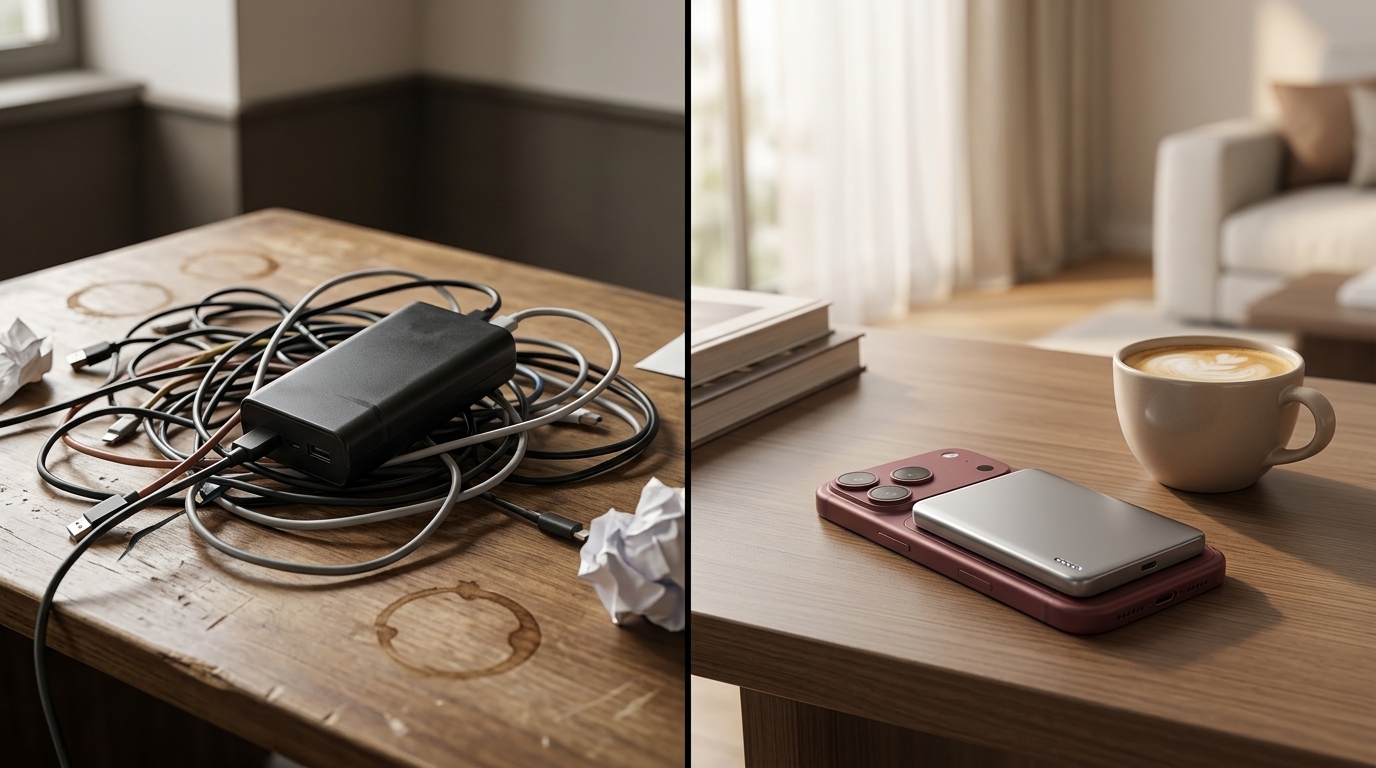
The shift isn’t about the charger itself. Most people still plug in overnight. But MagSafe has created a sprawl of small conveniences—car mounts, battery packs, wallets that snap on and off. Each one works better with the right case, and each one makes a non-compatible case feel like a compromise.

There’s a peculiar tension in buying a case that doesn’t support MagSafe. The case works perfectly well without it, but choosing it anyway feels like betting against how you’ll use your phone six months from now. It’s a small foreclosure of future options, and people seem increasingly unwilling to accept that trade.
Drop protection still matters, but it’s no longer the only axis of evaluation. Military-grade claims and translucent matte finishes compete with a feature you can’t see—a ring of magnets embedded in plastic. The case has to protect the phone and preserve its magnetic field. Both requirements are now table stakes.
The iPhone 14 and 15 share the same case dimensions, which has created a secondary market of people holding onto cases longer than they used to. A case bought for the 14 still fits the 15, and if it has MagSafe, there’s less reason to replace it. The accessory cycle has slowed, at least for those two generations.
SIMILAR
How iPhone owners navigate the reality that gaming peripherals treat Apple devices as secondary platforms
How iPad Pro photographers created workarounds for a fundamental file transfer limitation Apple never quite solved
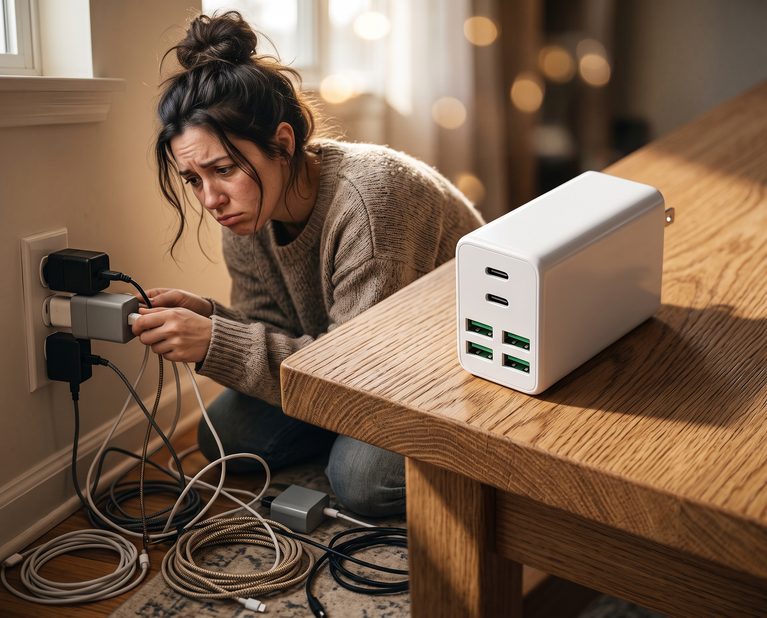
How iPhone users negotiate the nightly ritual of charging five devices from a single nightstand footprint
Black remains the dominant color, not because of aesthetics but because it’s perceived as neutral. A case is infrastructure now, something that needs to work with whatever MagSafe accessory gets added later. Bright colors suggest commitment; black suggests flexibility.
Pricing has compressed. Cases that were $15 two years ago are now $5, not because quality has dropped but because the feature set has standardized. MagSafe compatibility, once a premium marker, is now baseline. Current listings for translucent, military-grade options with magnetic alignment sit around $5.09.
What’s happening isn’t just about cases. It’s about how a proprietary feature becomes ambient, expected, and eventually invisible. MagSafe didn’t replace anything, but it changed what people assume a case should do. The magnet is the new default.
"Note: Readers like you help support The Apple Tech. We may receive a affiliate commission when you purchase products mentioned on our website."