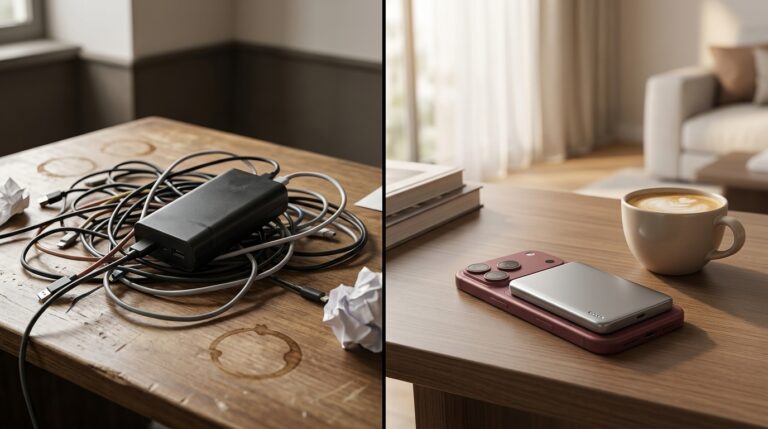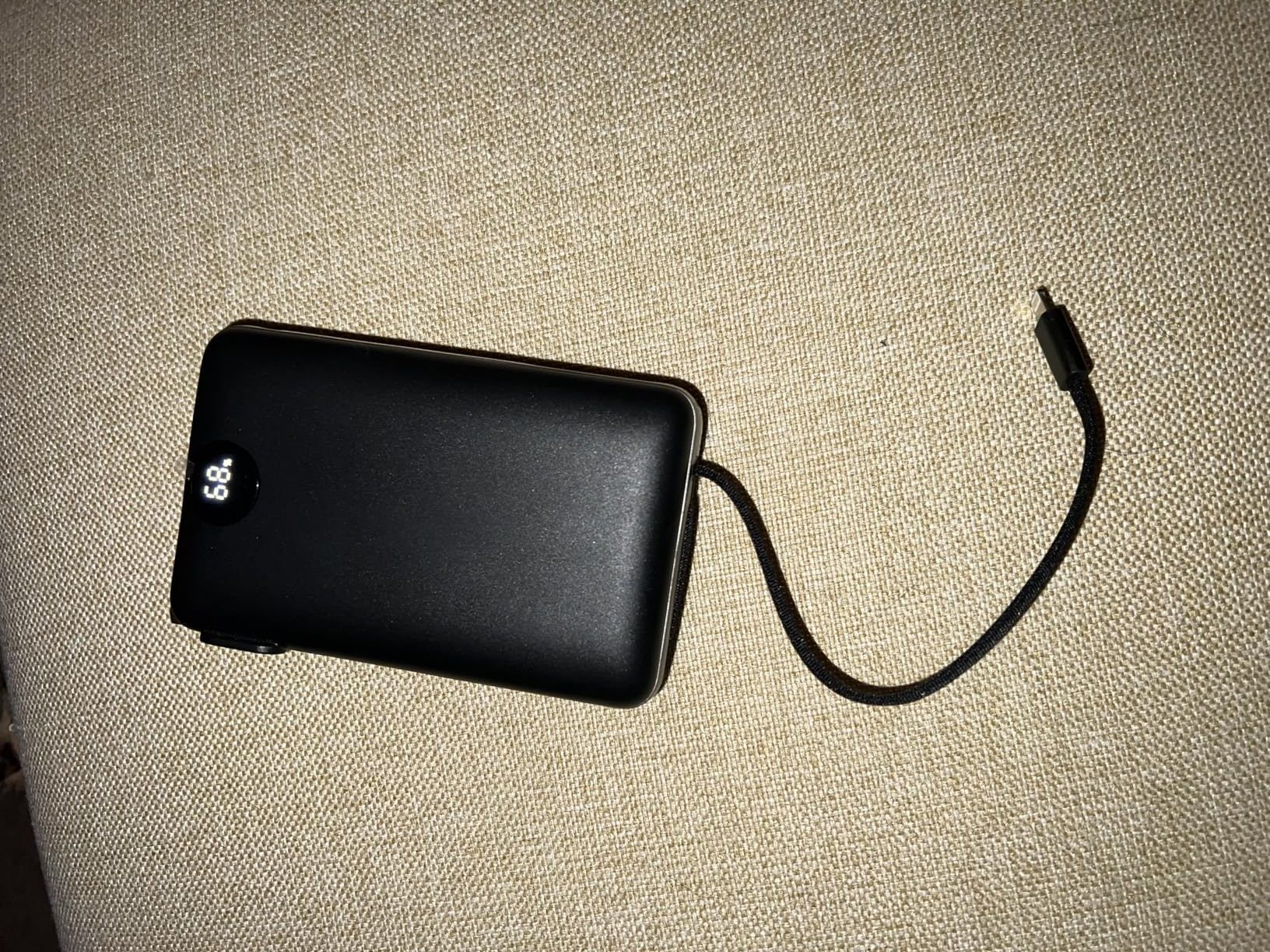
There’s a strange new weight in travel bags this year, and it has nothing to do with souvenirs. Portable chargers have crossed a threshold. What was once a slim emergency backup has become a dense, multi-day power reserve that most iPhone users will never fully drain.
The shift didn’t happen because iOS devices suddenly started dying faster. Battery life on the iPhone 15 and 16 series is better than ever. But behavior around charging has changed. People aren’t reacting to depletion anymore. They’re pre-empting it.
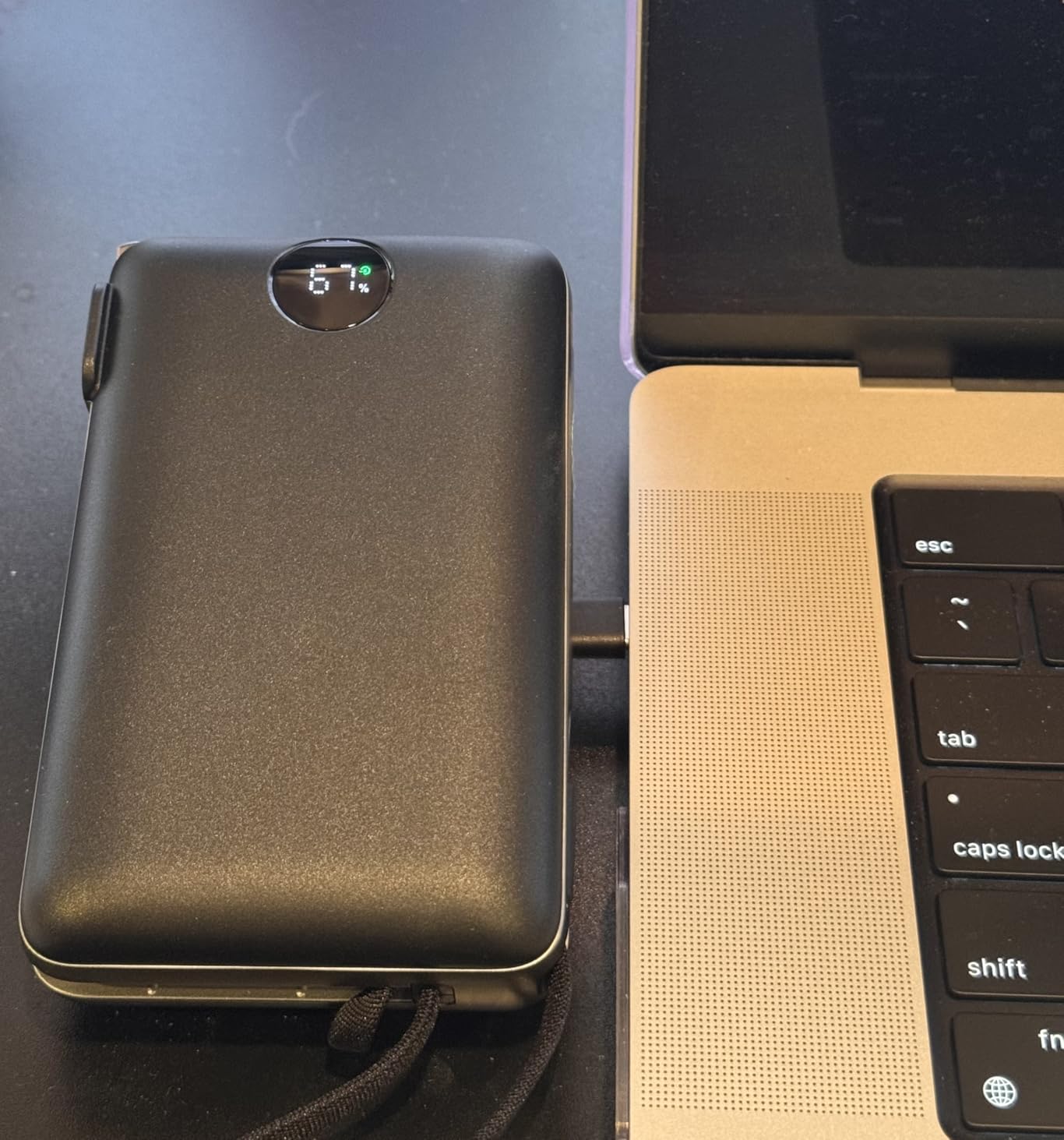
The new generation of power banks offers built-in cables, LED displays, and enough capacity to recharge an iPhone 16 Pro more than ten times. That’s overkill by any practical measure. A weekend trip doesn’t require that much power. A transatlantic flight doesn’t require that much power. But the appeal isn’t rooted in math.
It’s rooted in the feeling of never having to think about it. The larger the reserve, the quieter the mental background hum that tracks percentage throughout the day. For some users, that silence is worth the extra weight.
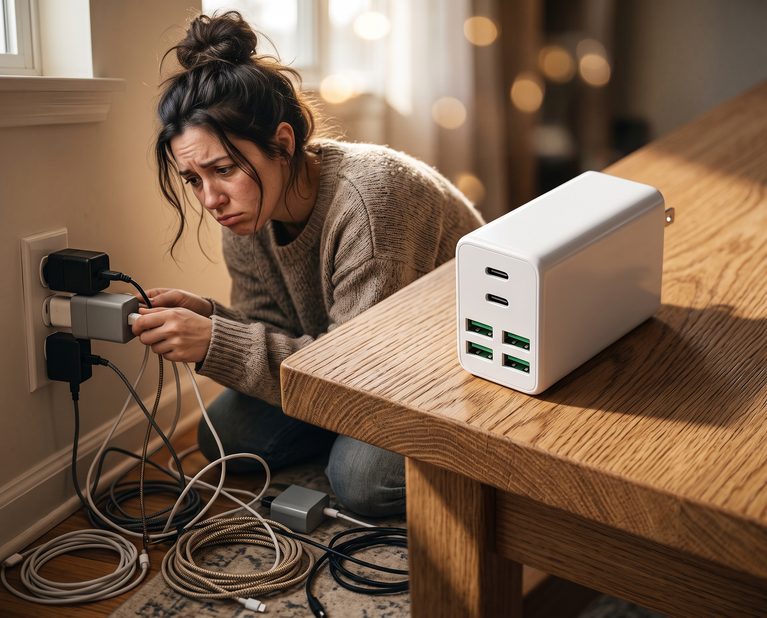
This isn’t just about travel. It’s about the way charging habits have fragmented. Wall outlets are no longer the default. Wireless charging pads appear on desks, nightstands, and car consoles. MagSafe accessories have multiplied. But none of these solutions are universal, and none of them are always available. The massive portable charger becomes the universal fallback.
What’s emerging is a kind of power insurance—not because the risk is high, but because the cost of being wrong feels too steep. Missing a photo, losing navigation, or watching battery percentage drop during an unexpected delay creates a friction that’s hard to forget.
Previously listed at $61.99, current listings hover around $37.99. The price has dropped as capacity has grown, making the psychological trade-off easier to justify. But the real cost isn’t financial. It’s the admission that somewhere along the way, staying connected stopped being a convenience and became a constant, low-grade concern.
"Note: Readers like you help support The Apple Tech. We may receive a affiliate commission when you purchase products mentioned on our website."