How six-packs of plug adapters changed the way families travel to Europe

For years, European travel meant bringing one or two plug adapters and deciding in real time who got to charge what, when. A family of four would share two adapters,…

For years, European travel meant bringing one or two plug adapters and deciding in real time who got to charge what, when. A family of four would share two adapters,…

Propping up an iPhone has always required improvisation. A stack of books, a folded napkin, another phone—anything to create an angle for watching video or following a recipe hands-free. Cases…

There used to be a clear distinction between people who carried battery packs and people who didn’t. The former planned for long days, anticipated dead zones, or worked jobs that…
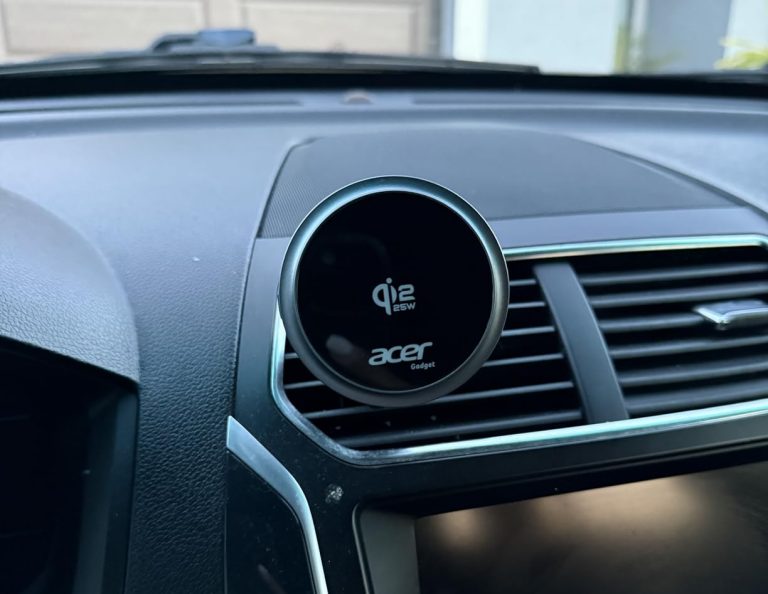
MagSafe car mounts promised to simplify in-car iPhone charging by eliminating cables and cradles. Snap the phone onto the magnetic mount, and it charges while providing navigation or music controls.…
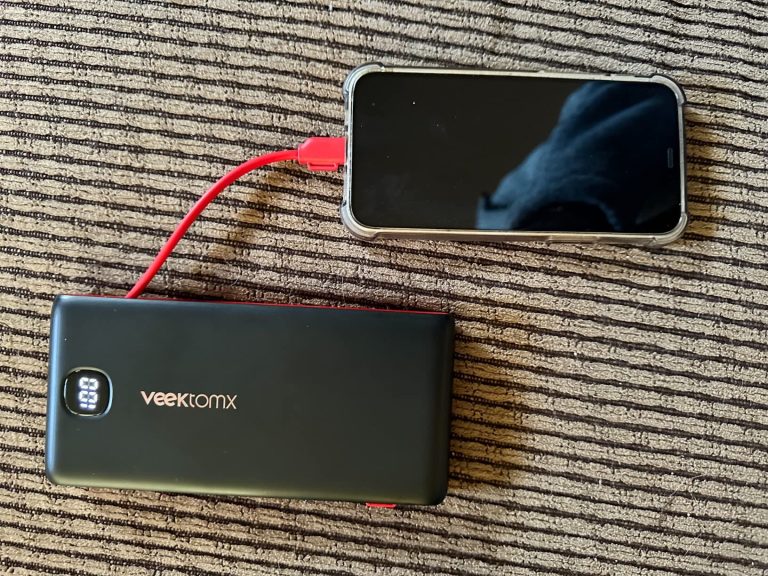
Traditional battery packs require a wall adapter to recharge. The pack itself stores power, but refilling that power means finding a USB cable and a charging block. Battery packs with…
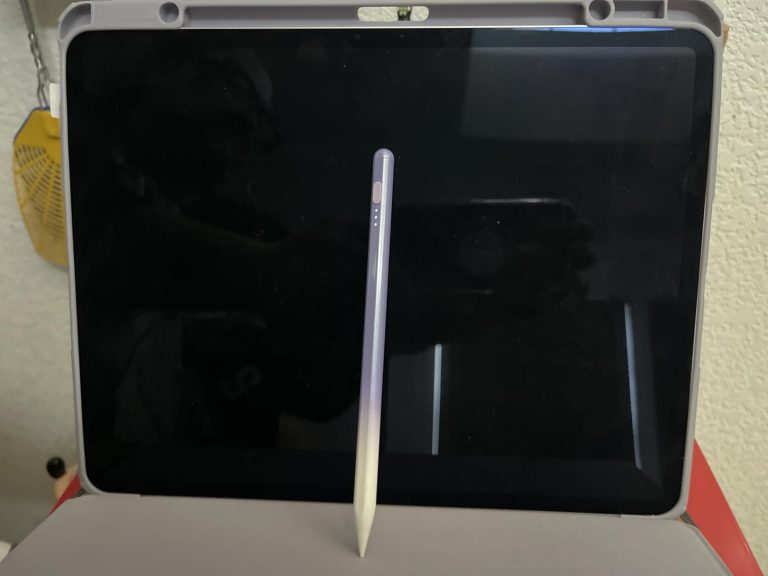
The Apple Pencil is expensive, and it’s easy to forget to charge. These two facts have created a market for third-party styluses that promise similar functionality at a fraction of…
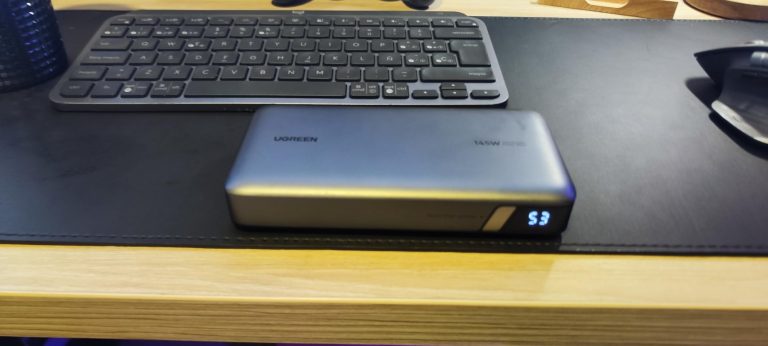
The MacBook has always promised portability, but portability has traditionally meant “light enough to carry between places with outlets.” Coffee shops, libraries, airport lounges—these spaces all offer power, even if…
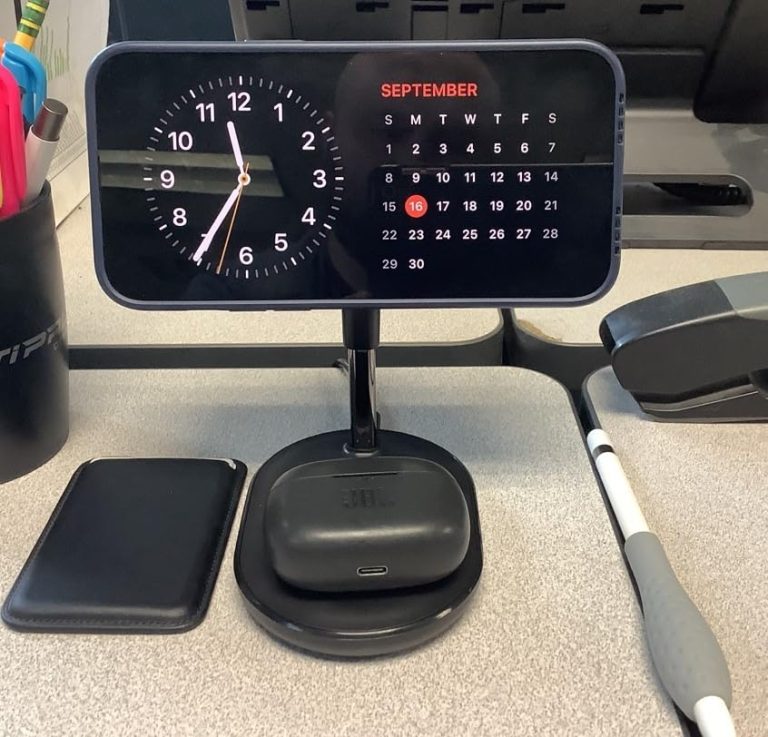
The nightstand has become a charging hub. For people deep in the Apple ecosystem, that means an iPhone, an Apple Watch, and AirPods all need power overnight. Three devices, three…
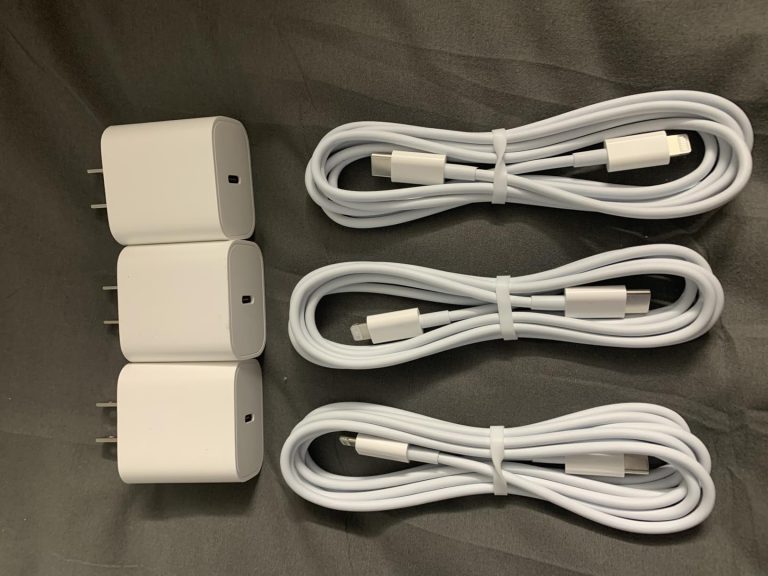
Charging cable length used to be standardized. Apple included a three-foot cable with the iPhone, and most third-party options followed the same spec. But three feet assumes the outlet is…
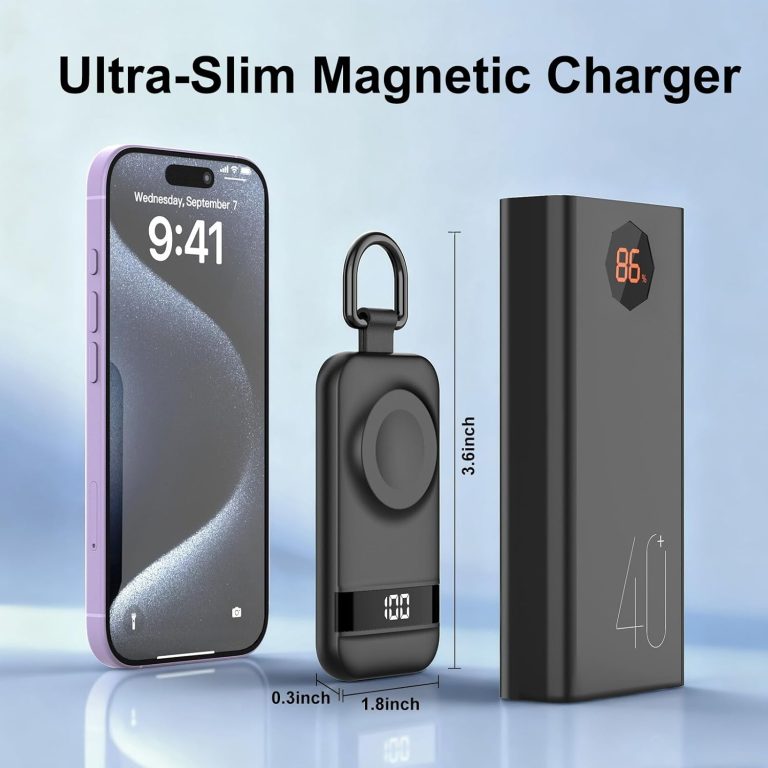
Apple Watch battery life follows a predictable curve. A full charge lasts roughly a day, sometimes less with heavy use. For most users, the rhythm is simple: charge overnight, wear…

For years, the Apple Watch charging ritual followed a single pattern: take it off at night, place it on a bedside charger, put it back on in the morning. The…

Nightstands accumulate devices. An iPhone, an Apple Watch, AirPods. Each needs charging overnight, which means cables, adapters, and the faint glow of various LEDs. Add a reading lamp or alarm…

Traveling with multiple Apple devices means managing multiple charging scenarios. An iPhone needs MagSafe or USB-C. An Apple Watch requires its own puck. AirPods charge via Lightning or USB-C depending…

Nightstands in Apple households tend to look similar. An iPhone charging cable. An Apple Watch puck. AirPods resting somewhere nearby. Often a small lamp for reading or navigating the room…

Intro: MagSafe changed how iPhones charge at home, but the shift to magnetic portable batteries has been slower. A new generation of power banks suggests that’s finally changing. Pull Quote:…

Intro: Apple Pencil charging has always been slow—15 minutes for a usable charge, over an hour for full. A category of third-party styluses is cutting that time in half. Pull…

Travel exposes the gaps in how we charge devices. At home, cables stay plugged in. Charging happens in familiar spots. But packing for a trip means gathering pieces—wall adapter, USB…

The stone color added personality without demanding attention, which suited users wanting cases that enhanced rather than dominated their iPhone’s appearance. Bold colors make statements. Black disappears. Stone occupies the…
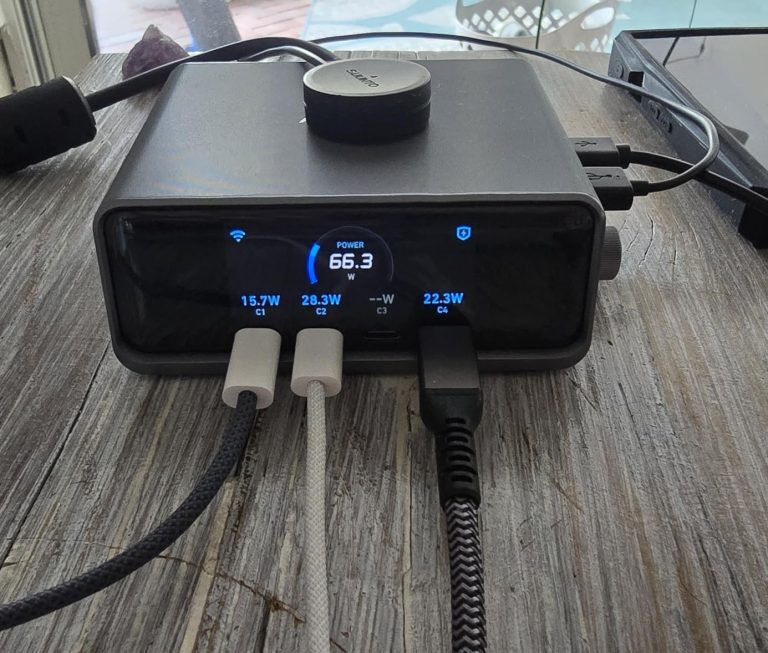
The display showed exactly how many watts each device was drawing, which transformed charging from passive background process into visible, manageable system. LCD displays on charging stations provide real-time feedback…
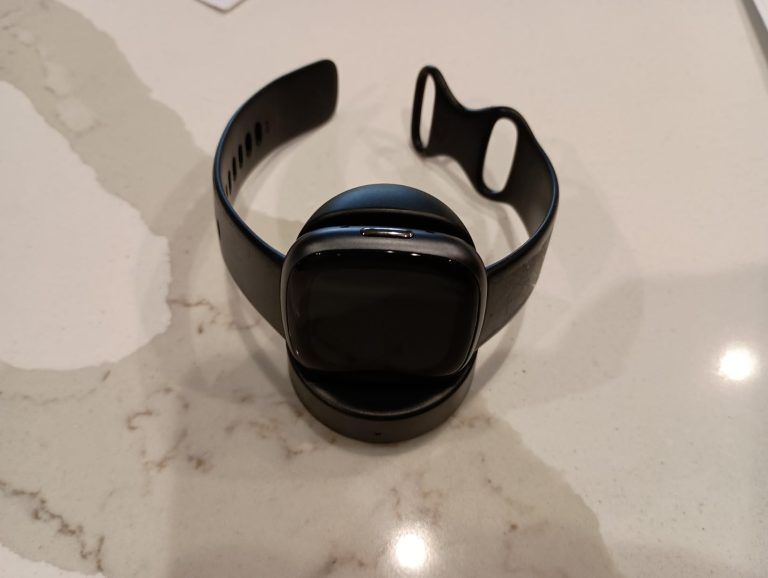
The dock held the Fitbit at an angle while charging, which meant it became a visible nightstand object rather than a device that disappeared during charging. Magnetic charging docks transform…
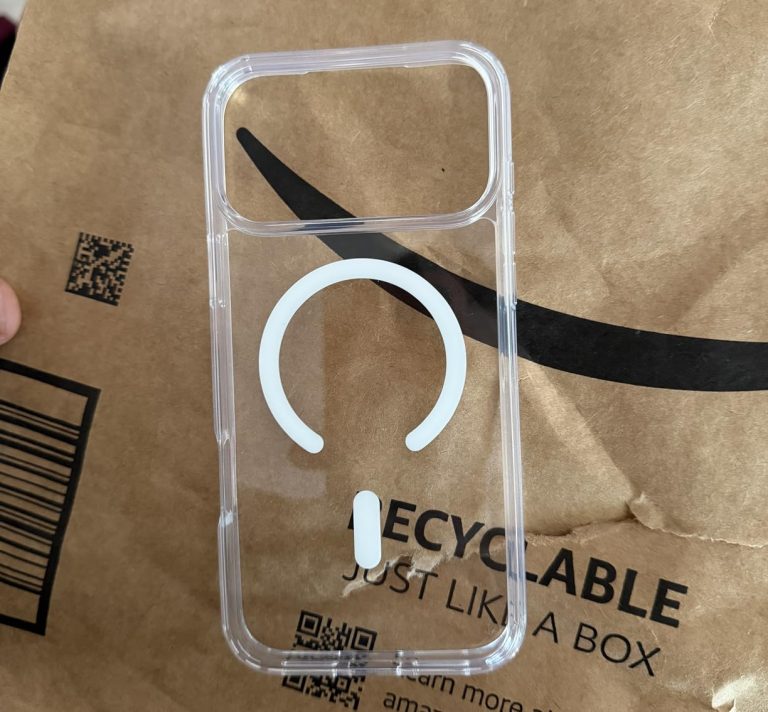
The anti-yellowing promise mattered because phones were being kept for three or four years, long enough for clear cases to turn noticeably discolored. Early clear cases used materials that oxidized…