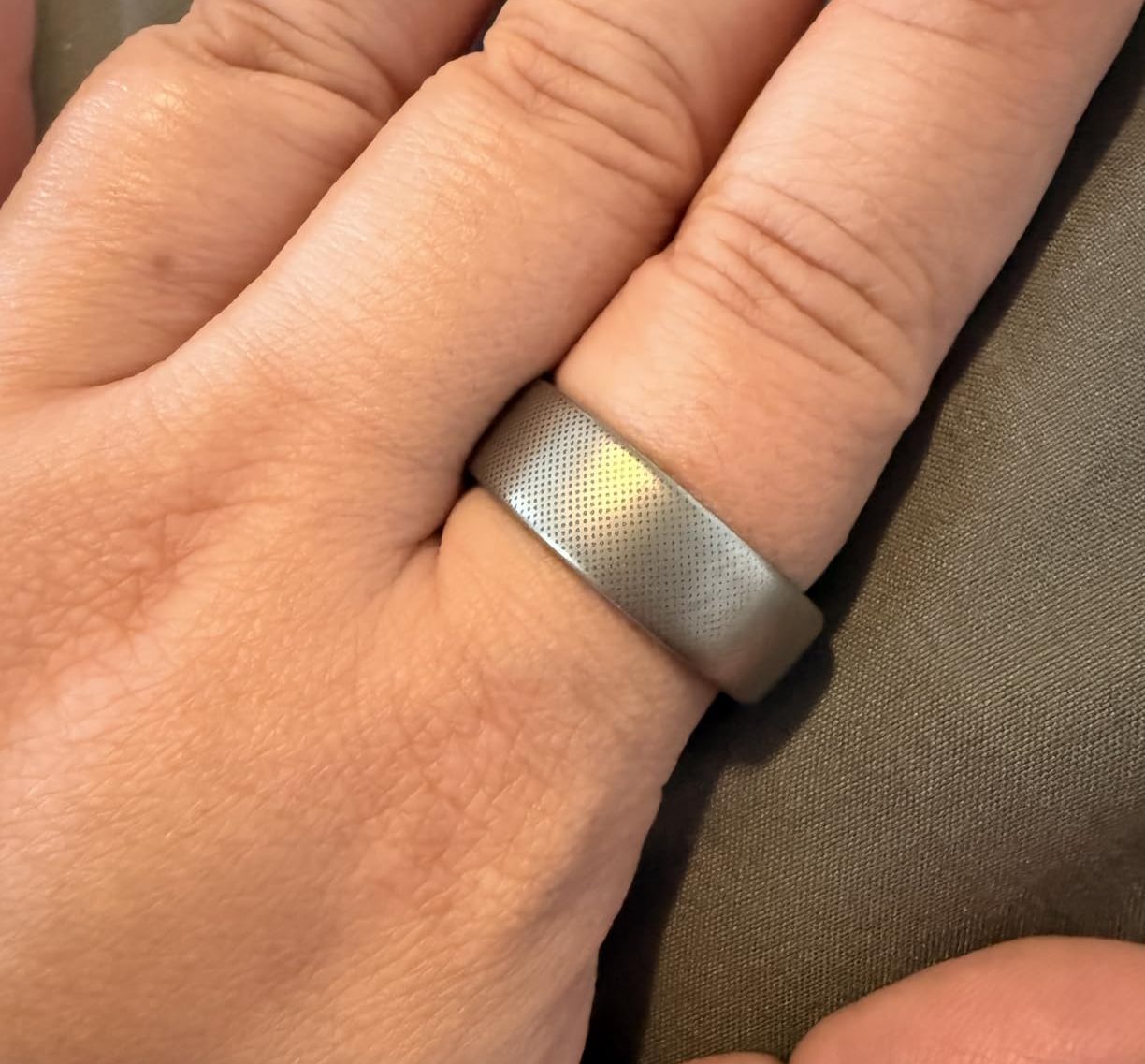
The Watch dominates health tracking in Apple’s ecosystem, but a growing subset of users are discovering that finger-worn sensors capture some metrics without the bulk or sleep disruption of a wristband.
The Apple Watch is comprehensive. It tracks steps, heart rate, workouts, sleep, blood oxygen, ECG, and more. It’s also physically present in a way that becomes unavoidable. You feel it on your wrist during the day. You notice its absence when you take it off to charge. You accommodate it during sleep, either wearing it uncomfortably or setting it aside and losing overnight data. The Watch tracks everything, but it also announces itself—on your wrist, on your nightstand charging, in the shower where you have to take it off.
Ring-based health trackers emerged as a response to this presence. They promise many of the same metrics—heart rate, sleep stages, activity tracking—but from a device small enough that you can forget you’re wearing it. No screen to light up at night. No band to adjust. No nightly charging routine because the battery lasts days instead of requiring daily top-ups. The trade-off is visibility: the Watch gives you real-time feedback, complications, notifications. The ring gives you nothing until you check your phone.
This appeals to a specific mindset. People who want the data but don’t want the device to be part of their identity. The Watch is a statement—everyone can see you’re wearing one, and it shapes how you interact with technology throughout the day. A ring is invisible. It collects data silently and sends it to an app, where you review it later if you feel like it. The passivity is the feature.
Apple’s ecosystem doesn’t accommodate this well. The Health app ingests data from the Watch seamlessly, but third-party wearables require their own apps, their own syncing processes, and often their own interpretation of metrics. Sleep data from a ring won’t match sleep data from a Watch because the algorithms differ. Heart rate variability might be calculated differently. The ring’s app becomes the source of truth, but it exists separately from the unified health dashboard Apple has built around its own devices.
Water resistance matters differently for rings than for watches. You can shower with the Watch, but you’re also encouraged to take it off occasionally to let your wrist breathe. A ring stays on through showers, swimming, handwashing—it’s less of an accessory and more like jewelry that happens to contain sensors. This continuity means fewer gaps in data collection, but it also means the ring is always there, which some people prefer and others find intrusive in a different way than a Watch.
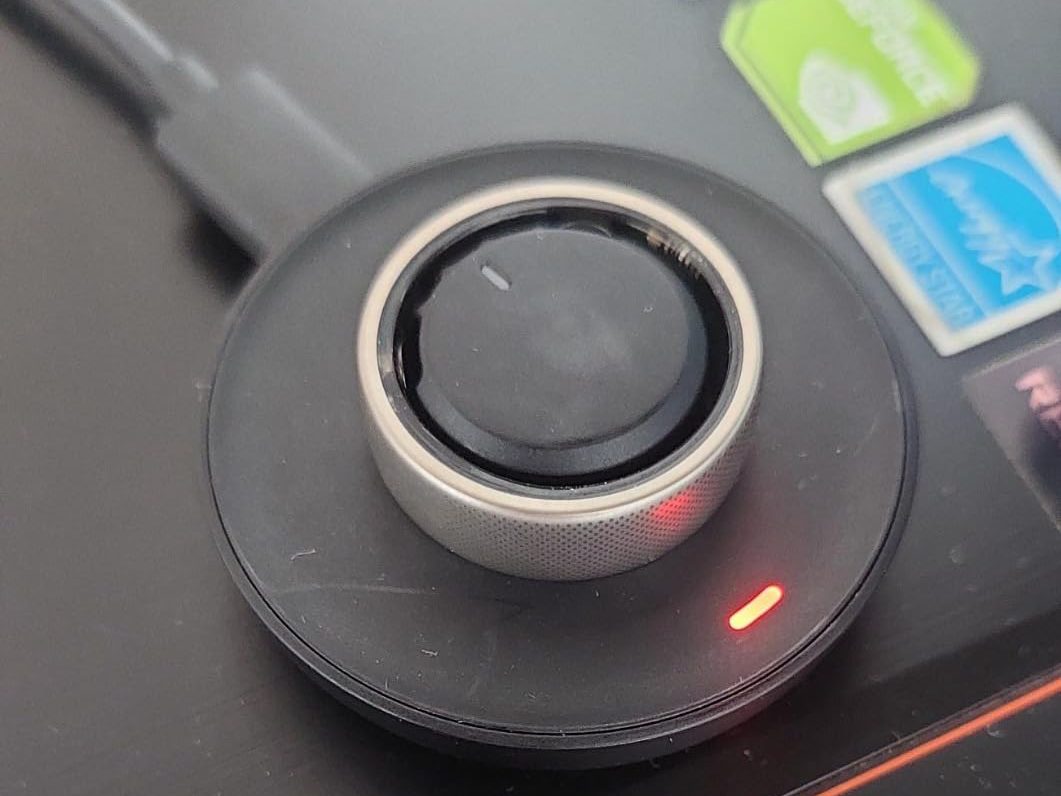
Charging becomes less of a daily ritual and more of a periodic task. The ring doesn’t need to sit on a charger every night, which means one less device competing for outlet space on the nightstand. But when it does need charging, it requires its own proprietary dock or cable, adding to the collection of charging infrastructure you’re managing. The Watch may need daily charging, but at least it uses a standard Apple ecosystem charging pattern. The ring introduces a new one.
The subscription model—or lack thereof—has become a differentiator. Apple Watch functionality is included with the device. Some ring manufacturers charge monthly fees for full access to your own health data, which introduces friction that doesn’t exist in Apple’s ecosystem. Others don’t, positioning themselves as one-time purchases that integrate with iOS health tracking without ongoing costs. This matters more as people accumulate wearables and start calculating the long-term expense of subscription-based health monitoring.
Previously listed at $200, current listings hover around $110 for models with multi-day battery life and no subscription requirements. The positioning is clear: an alternative to the Watch for people who want the data without the wrist presence, who prioritize sleep tracking comfort over real-time notifications, and who don’t need Apple’s ecosystem integration because they’re willing to manage health data across multiple apps. It’s a narrower use case than the Watch, but for that subset, the ring addresses friction points the Watch never solved.
"Note: Readers like you help support The Apple Tech. We may receive a affiliate commission when you purchase products mentioned on our website."