Standardization promised simplicity, but multi-device homes now face a different problem: distinguishing between identical cables that serve different purposes across platforms.
Two-packs sound practical until you unbox them and realize there’s no way to tell them apart six weeks later. They’re the same color, same length, same woven texture. One lives by the couch, one by the bed. But which device charged faster where? Memory fails. The cables become interchangeable until they’re not.
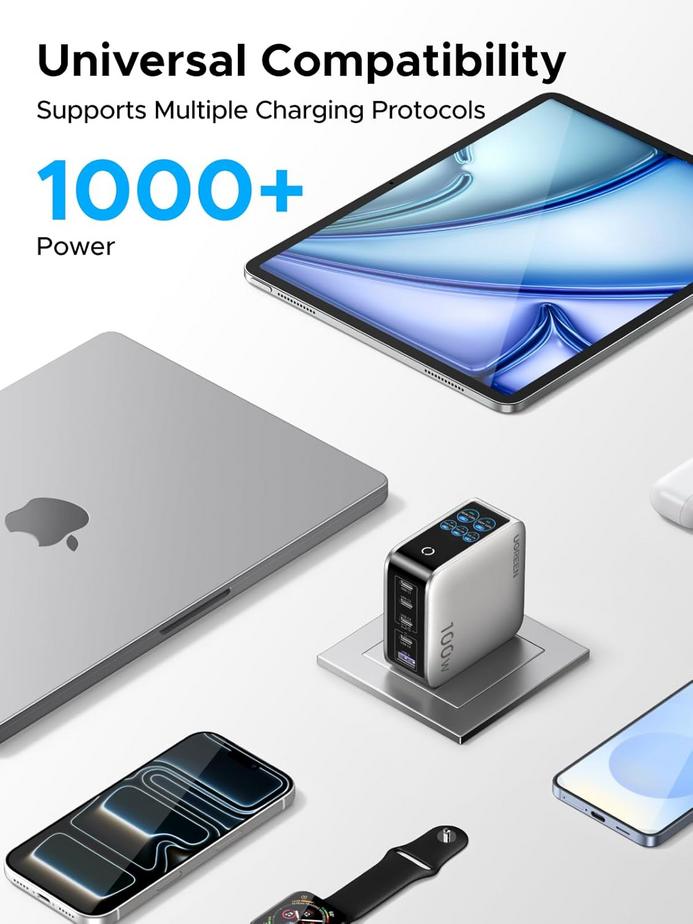
Cross-platform households face this more acutely. An iPhone, a Pixel, an iPad, a Steam Deck—all USB-C, all theoretically compatible with any cable. But charging optimization varies. Some cables negotiate higher wattage with certain devices. Others default to safe minimums. The end result is invisible underperformance that’s difficult to diagnose.
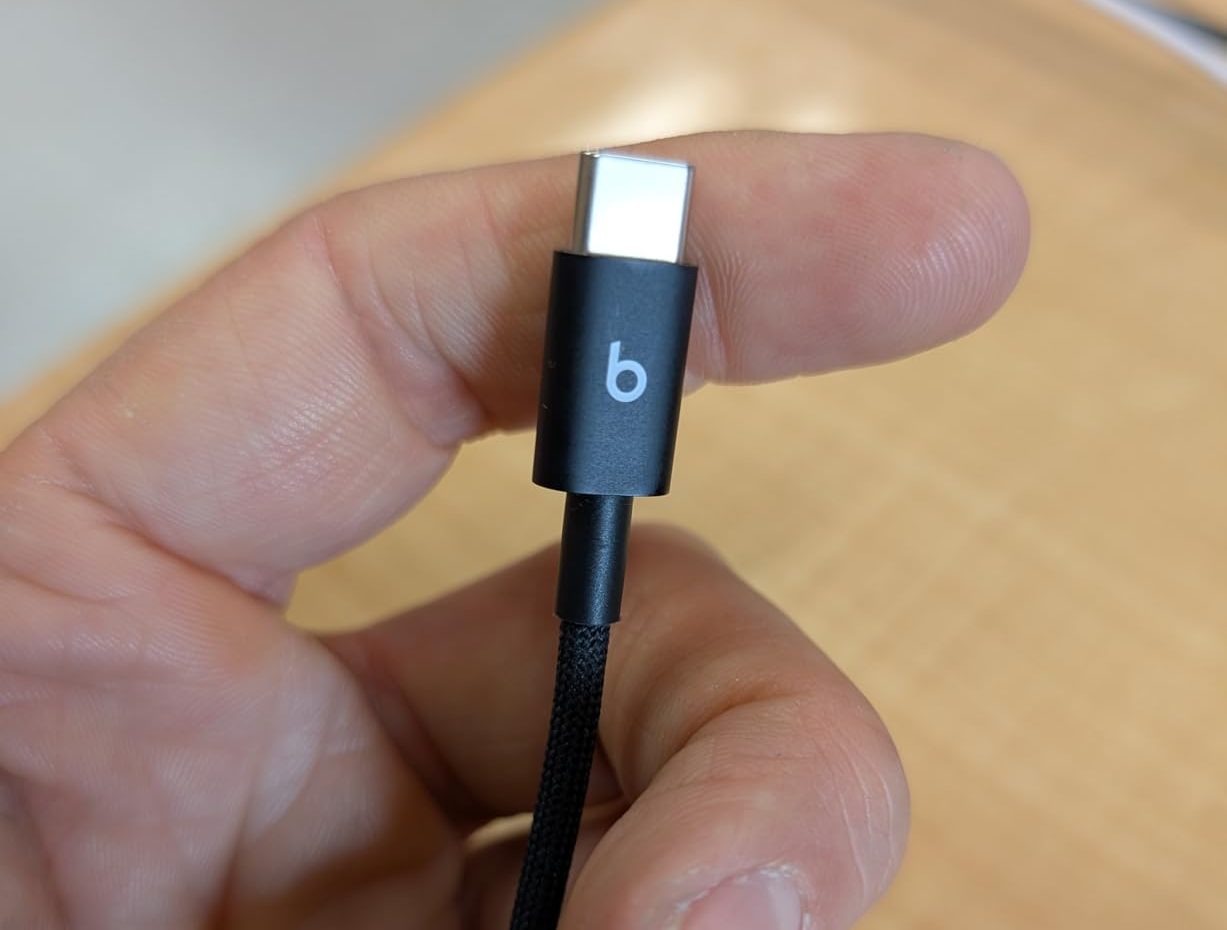
The tangle-free marketing claim addresses a real frustration, but it also removes a key identifier. Tangled cables have personality. They drape differently, coil with individual quirks. Woven cables that resist tangling also resist memorability. They stack neatly in a drawer, indistinguishable from one another except by the dust they’ve accumulated.
Length matters differently in multi-device contexts. A 1.5-meter cable works for a laptop on a desk but creates floor clutter when used for a phone on a nightstand. The same cable serves both purposes, but poorly in each. Optimization becomes impossible because the cable must compromise between competing use cases.
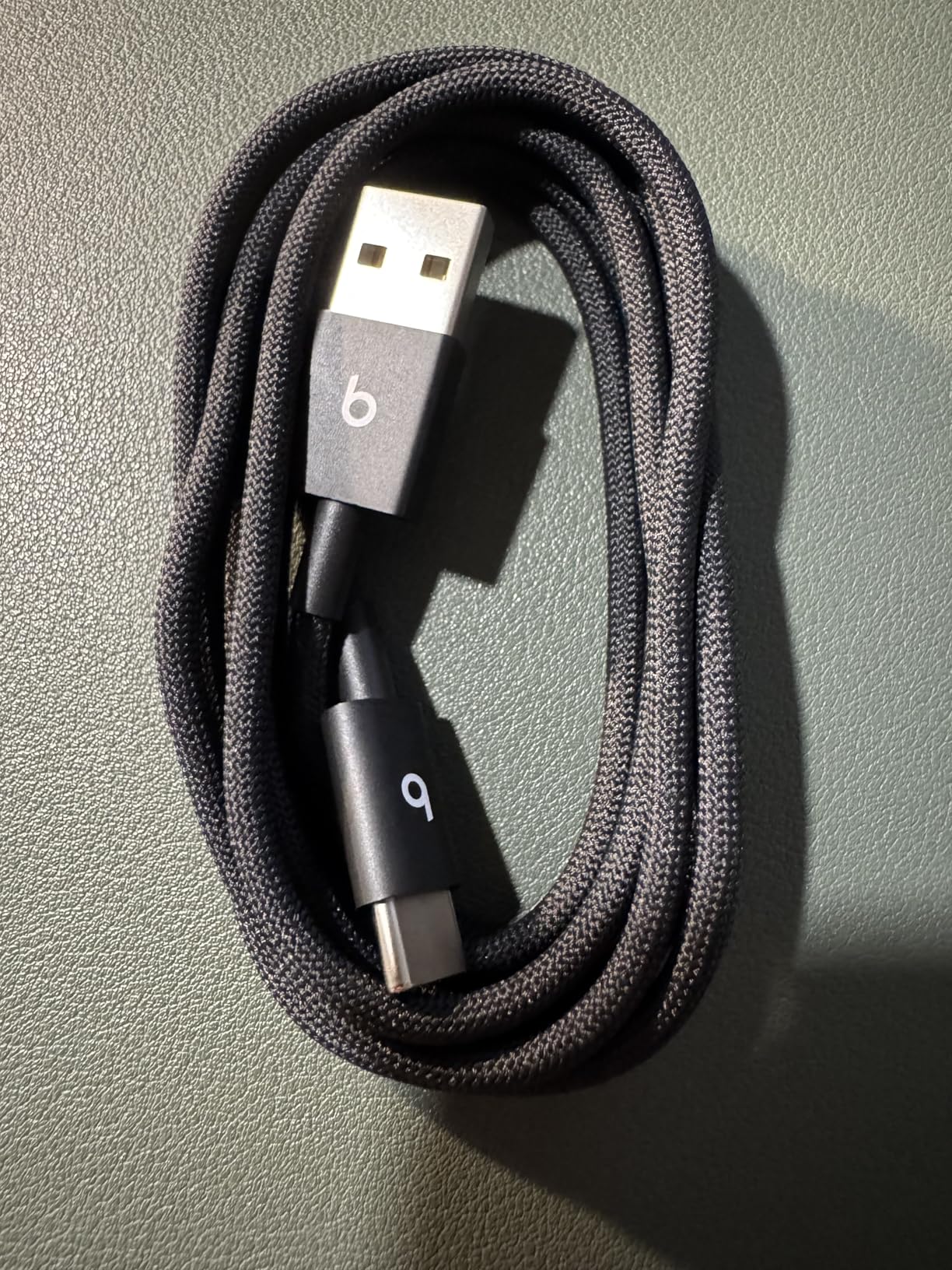
Durability extends lifespan, which sounds positive until you consider identification. A cable that lasts three years will outlive several device upgrades. The cable that originally charged a Pixel 6 now charges a Pixel 8, but it also charges the household iPhone and iPad. Its origin story becomes meaningless. It’s just “the long black cable.”
The bolt design—minimal branding, monochrome aesthetic—aligns with contemporary minimalism. It also erases narrative. Older cables had color-coded ends or distinctive connector shapes. USB-C cables, especially woven ones, converge toward sameness. The visual language that once helped people navigate their cable drawer has been optimized away.
What emerges is an ironic reversal: universal compatibility created universal confusion. When every cable worked with only one device, cable management was straightforward. Now that every cable theoretically works with every device, the cognitive load has shifted from compatibility to performance tracking. Previously listed at $35, current listings hover around $24.53.
"Note: Readers like you help support The Apple Tech. We may receive a affiliate commission when you purchase products mentioned on our website."