There’s a ritual that developed among Apple Watch users that has nothing to do with fitness tracking or notifications. It happens in the morning, after getting dressed but before walking out the door: the decision of which band to wear. For some people, this choice carries the same weight as selecting a belt or a pair of shoes. The Watch stays the same; the band shifts to match the outfit, the occasion, or simply the mood.
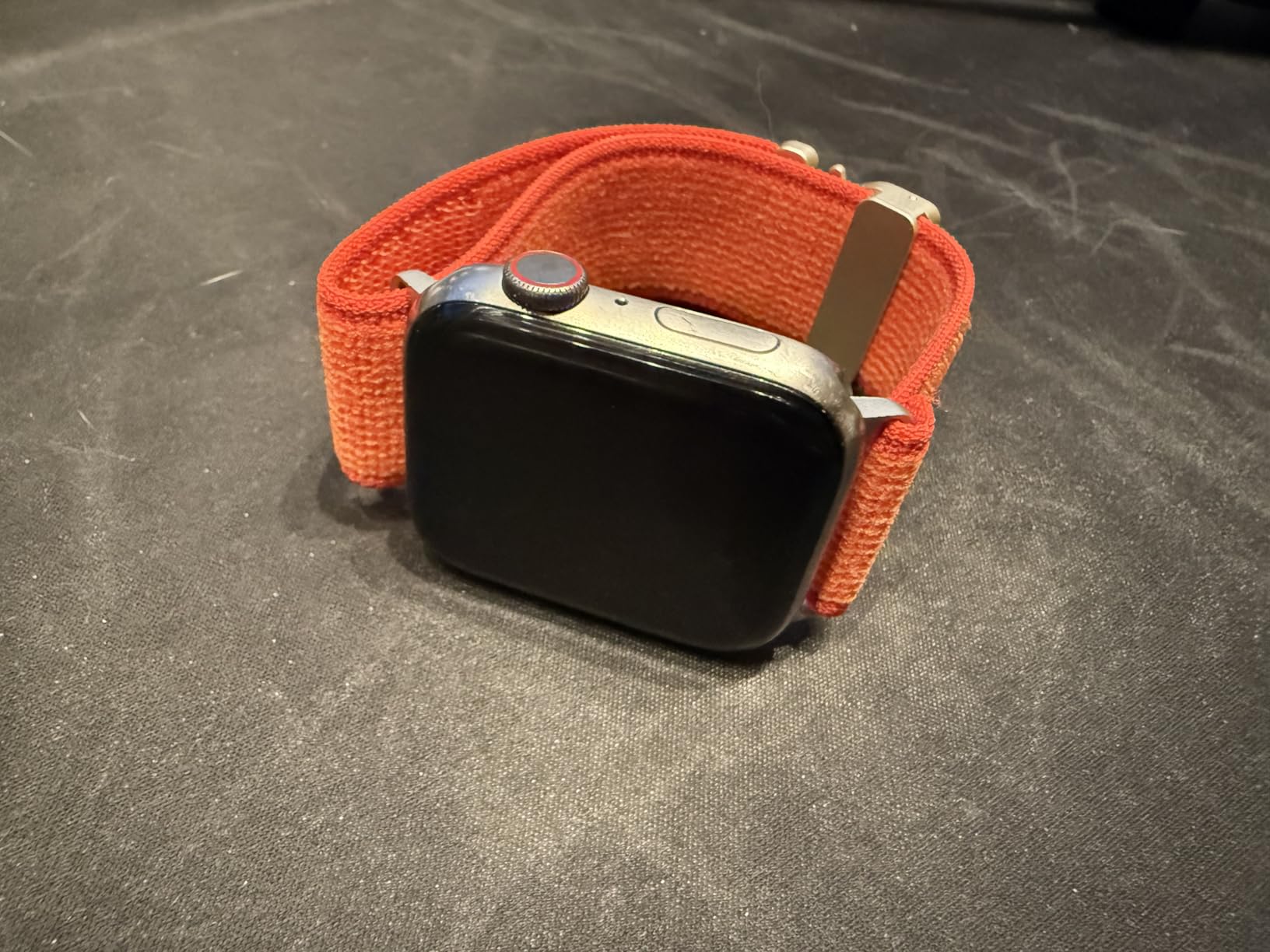
The elastic sport band emerged as a category distinct from the original sport bands Apple shipped. Those were silicone, smooth, and came in limited colors. The elastic versions used woven nylon with a parachute buckle, a design borrowed from outdoor gear. They looked less polished than metal link bands but more intentional than basic rubber. The texture made them feel appropriate for both workouts and casual settings, which expanded when people felt comfortable wearing them.
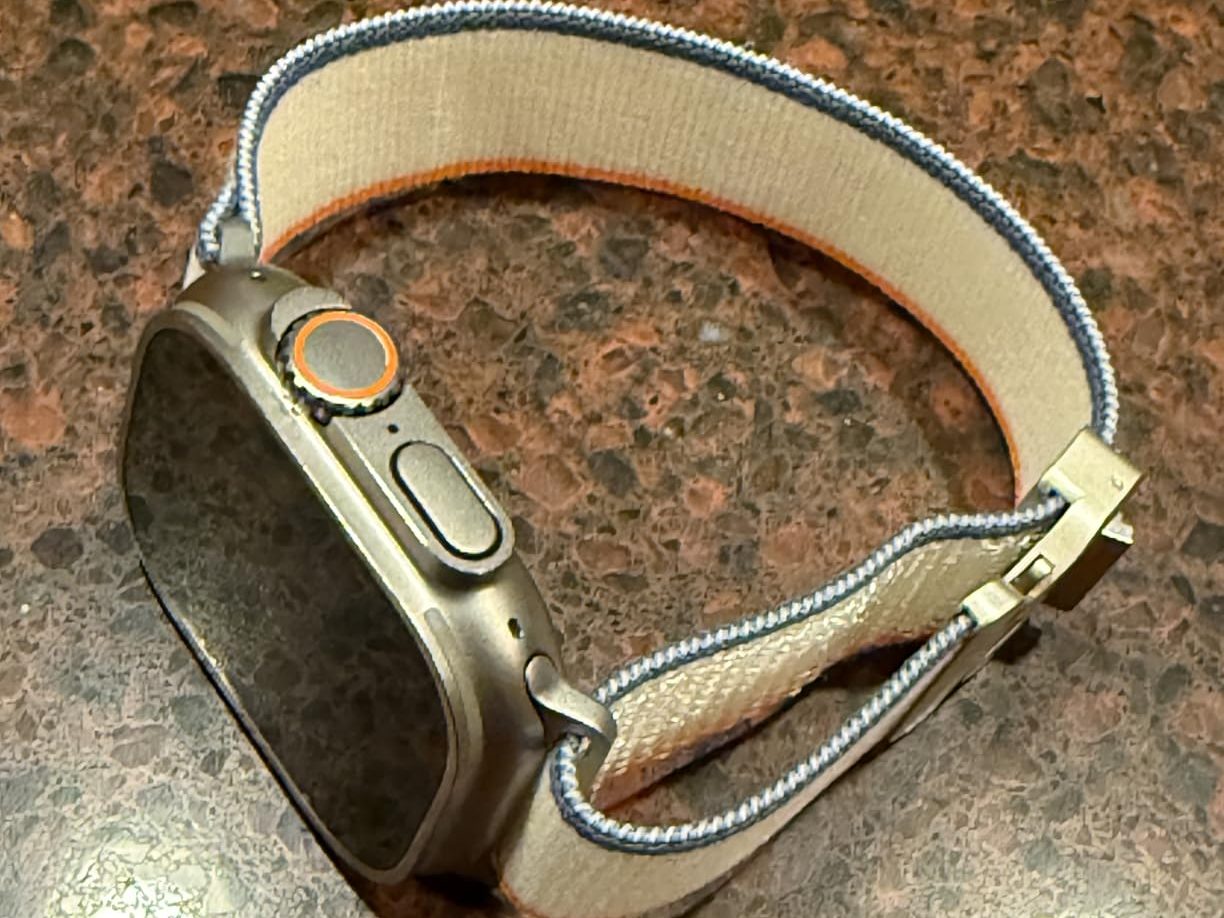
Adjustability became more important than it seemed. The parachute buckle allowed for micro-adjustments throughout the day—tightening during a workout, loosening during a meal, shifting slightly when swelling occurred in heat or after a flight. Fixed-length bands required committing to a single fit, which worked until it didn’t. The elastic band adapted to the wrist’s changing circumference without requiring thought.
Color choices multiplied until the decision itself became a friction point. A dozen bands in a drawer meant options, but it also meant time spent choosing. Some people rotated through bands weekly; others wore the same one for months until they got bored. The abundance created a paradox—more choice led to both more personalization and more decision fatigue.
SIMILAR
iPhone and MacBook users are compensating for a port problem Apple created
iPhone users are eliminating the tangled cable from every car charging session
iPhone users are transforming nightstands into silent charging infrastructure
The band swap mechanism, unchanged since the original Apple Watch, made switching effortless. Press the release button, slide out the old band, slide in the new one. The process took seconds and required no tools. That ease enabled the behavior. If changing bands had been complicated, people would have settled on one and left it. The simplicity turned band swapping into a casual act, something done without planning.
Compatibility across Apple Watch sizes introduced a complication. A band purchased for a 42mm Watch didn’t fit a 45mm model. People upgrading their Watch sometimes discovered their band collection was obsolete. The size ranges—38/40/41mm and 42/44/45/46/49mm—grouped several generations together, but crossing between groups meant starting over. The bands outlasted the devices, but only within the same size family.
Pricing made collecting bands feasible. Previously listed at $9.99, current listings hover around $7.28. That’s low enough that buying several colors felt reasonable rather than extravagant. The cost was comparable to a coffee or a lunch, which made the purchase feel minor. People accumulated bands gradually, adding one whenever a new color caught their attention.
The deeper shift was about how the Watch became personalized. The device itself looked identical to millions of others. The band was the only visible customization most people applied. It became a form of self-expression in a product category that offered few opportunities for individuality. The band wasn’t just functional—it was the part of the Watch that felt like a choice, the element that made the device feel less like technology and more like an accessory.
"Note: Readers like you help support The Apple Tech. We may receive a affiliate commission when you purchase products mentioned on our website."