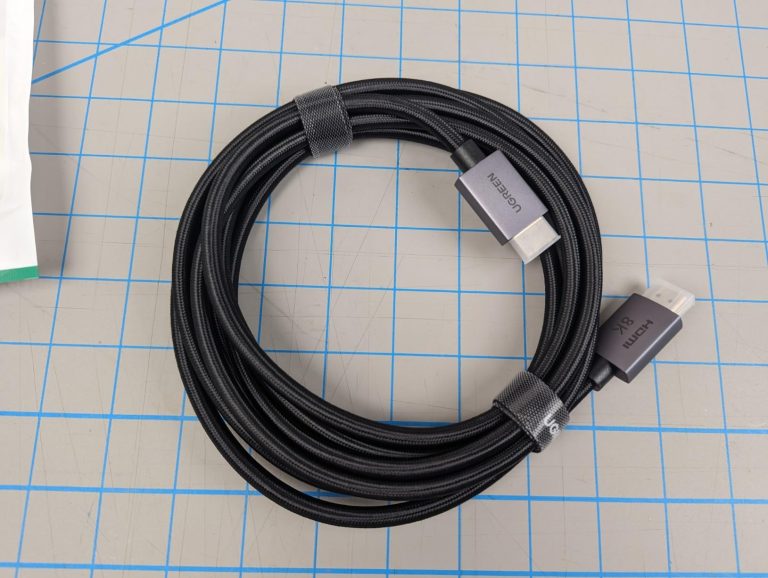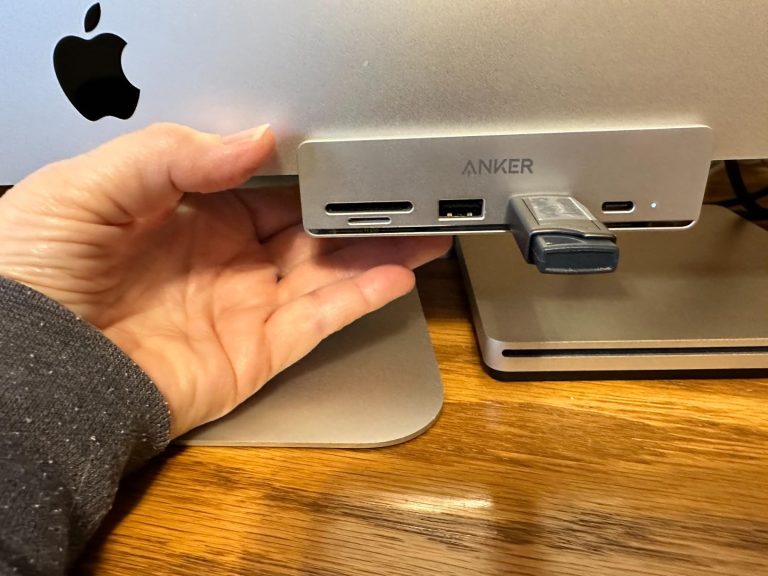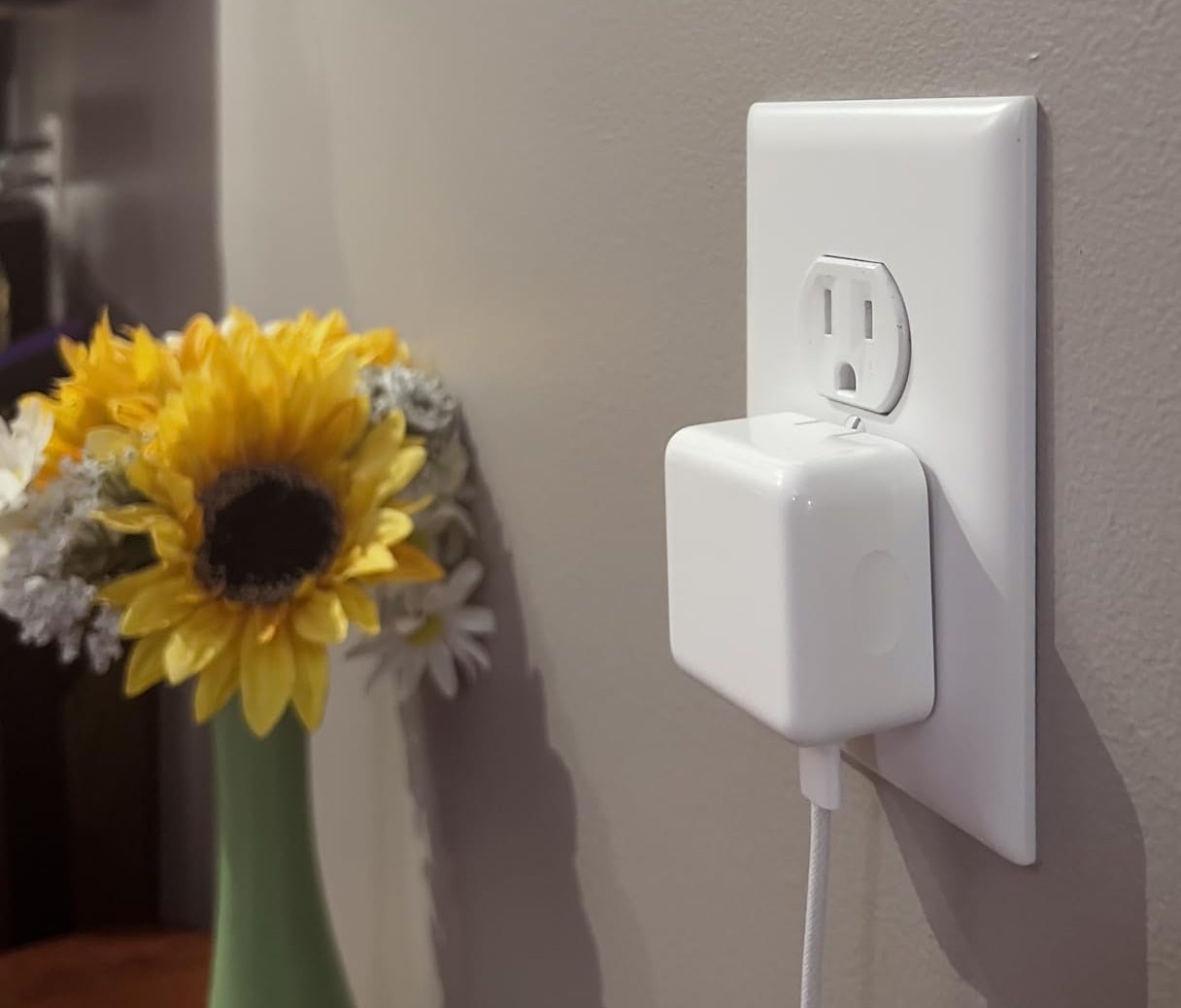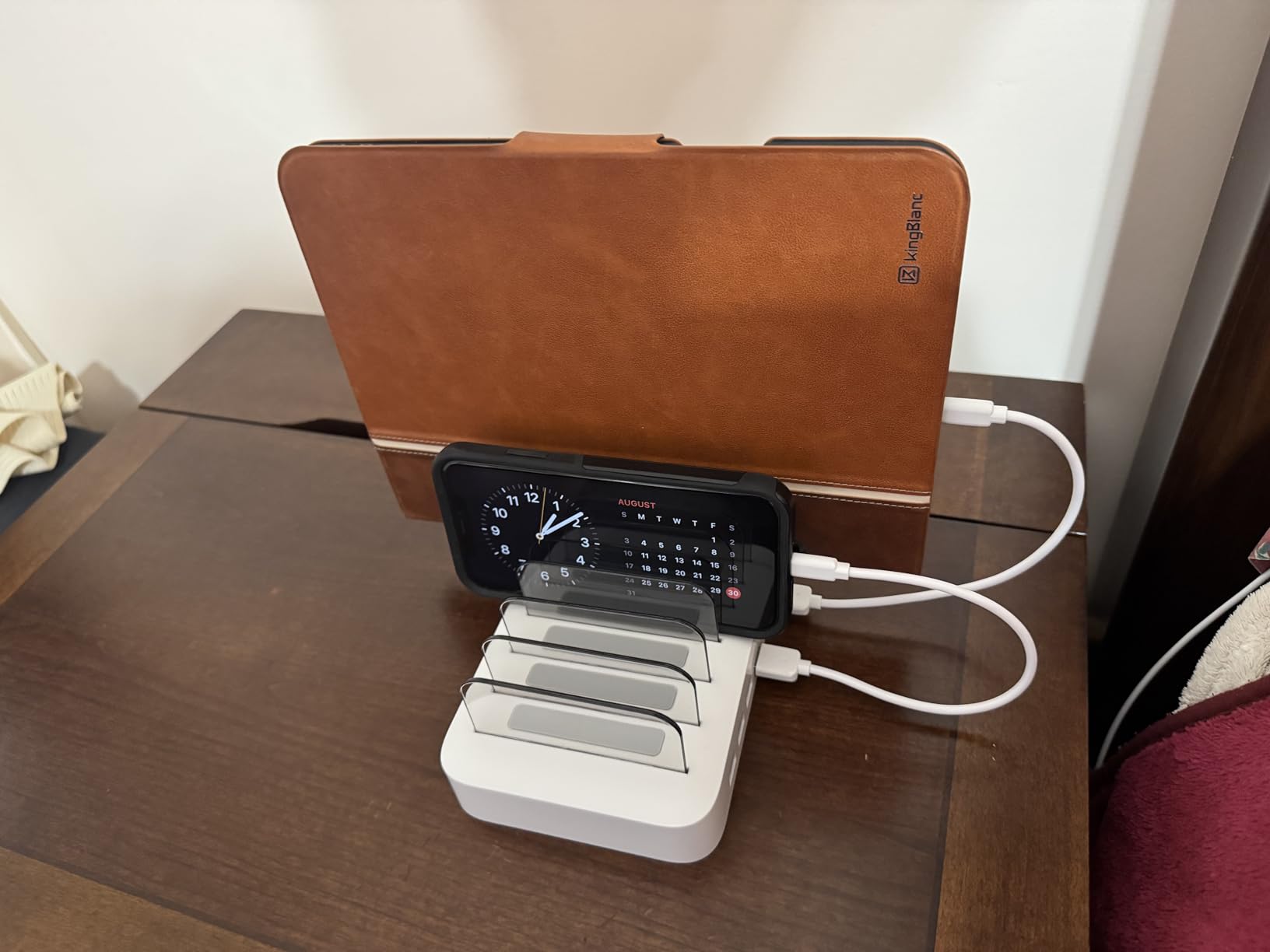
Family charging situations degenerate into chaos predictably. Multiple people, each with their own iPhone, iPad, and accessories, competing for limited outlets and surface space. Cables migrate between rooms. Chargers disappear into bags and never return. Someone’s phone is always dead because the charger they thought was theirs was actually borrowed by someone else. The household develops an informal charging hierarchy—certain people get priority, certain devices charge in specific locations—that functions but barely.
Centralized charging docks emerged as an attempt to impose order on this chaos. One location, multiple ports, designated slots for each family member’s devices. The appeal is obvious: everyone knows where to charge their devices, cables stay in one place, and the visual clutter of scattered chargers diminishes. In practice, adoption varies. Some families commit fully and maintain the system. Others try it briefly before reverting to distributed chaos because the central location doesn’t align with actual usage patterns.
Six ports sounds like plenty until you count devices. Two adults with iPhones, iPads, and maybe Apple Watches each account for four to six devices. Add kids with their own phones or tablets, and the port count escalates quickly. A charging station needs to accommodate not just current devices but the ones that will be added over time—new phone purchases, hand-me-down iPads, additional accessories. Insufficient capacity means the station becomes obsolete within a year or two.
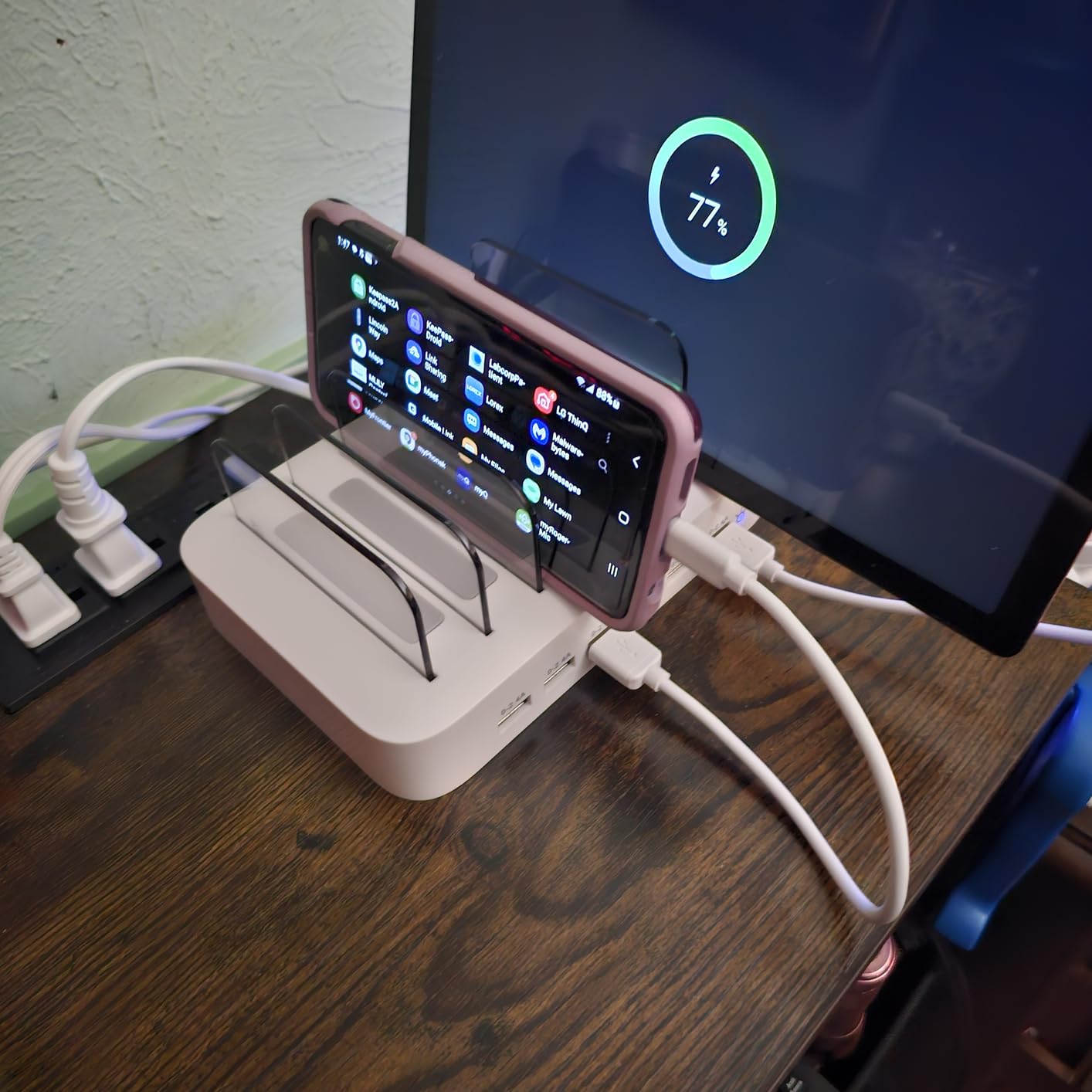
Organizer slots with dividers serve both functional and social purposes. Functionally, they keep devices upright and separated, preventing the tangled pile that forms when everything charges flat on a surface. Socially, they establish ownership and territory—each person’s devices occupy specific slots, reducing arguments over whose charger is whose and whether someone took someone else’s cable. It’s a small psychological boundary that reduces household friction.
USB charging has largely standardized around USB-C for newer devices, but many households still contain older iPads, iPhones, and accessories using Lightning or even older standards. A charging station that only offers USB-C ports excludes those devices, forcing people to maintain separate charging solutions alongside the supposedly unified station. Mixed-port stations accommodate the reality that device upgrades happen gradually, not all at once.
Kitchen counters, entryways, and home office desks are common locations for charging stations, but each presents trade-offs. Kitchens have high traffic and convenient access but limited counter space. Entryways are central but often lack nearby outlets. Home offices work for adults but not for kids who don’t regularly access those spaces. The station’s location determines whether it actually gets used or becomes a well-intentioned piece of clutter.
Some families never adopt centralized charging. They prefer the flexibility of distributed charging—cables in bedrooms, living rooms, cars, wherever devices are actually used. A central station requires bringing devices to the charging location, which adds friction compared to charging wherever you happen to be. That friction is small per instance but accumulates over weeks and months. For some households, the organizational benefit outweighs the added effort. For others, it doesn’t, and the charging station ends up mostly unused.
Previously listed at $37, the current listing shows $27 at the time of publishing. View current listing. Price at time of publishing. Subject to change.
"Note: Readers like you help support The Apple Tech. We may receive a affiliate commission when you purchase products mentioned on our website."