

There’s a particular kind of cognitive dissonance that happens when someone who owns an iPhone, an Apple Watch, and a MacBook reaches into their gym bag and pulls out earbuds that didn’t come from Cupertino. It’s not dramatic. No one announces it. But it’s happening more often than Apple’s quarterly reports might suggest.
The friction starts small. A missed charge the night before a morning run. The awareness that AirPods might slip during burpees. The realization that sweat and premium audio don’t always coexist peacefully. These aren’t product failures, exactly. They’re just moments where the Apple ecosystem bumps against the mundane realities of movement, moisture, and forgetting to plug things in.
Bluetooth 5.4 didn’t arrive with fanfare, but it quietly recalibrated expectations. Suddenly, connection stability wasn’t a luxury feature—it became baseline. For people who’ve spent years tolerating occasional dropouts as “just how wireless works,” the shift was disorienting. When cheaper alternatives maintained connections more reliably during high-intensity movement, it raised an uncomfortable question: What, exactly, were they paying for?
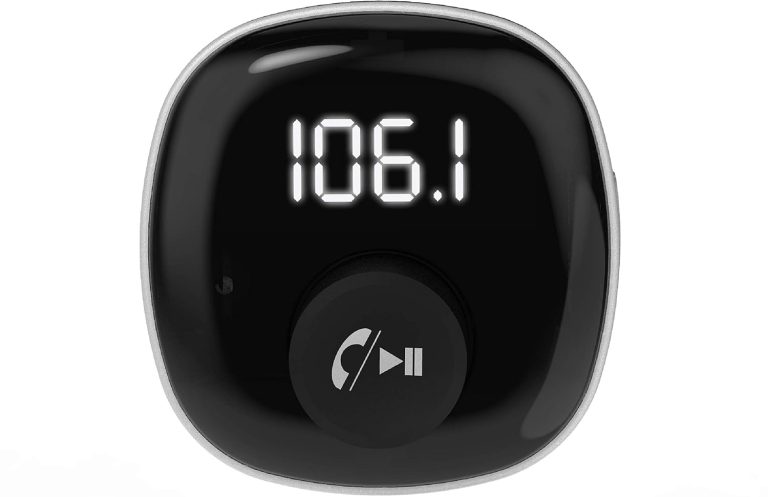
The 50-hour battery conversation is where loyalty starts to crack audibly. Not because six hours isn’t enough for a workout, but because the mental overhead of daily charging becomes visible only when it’s gone. The moment you realize you’re charging your earbuds more often than you’re using them is the moment the ecosystem grip loosens slightly. LED displays showing exact percentages feel almost aggressively practical by comparison—a feature that answers a question before you have to ask it.
Ear hooks occupy a strange cultural space now. For years, they read as dated, something that belonged to the Bluetooth headset era. But in gyms and on running trails, they’ve returned as quiet rebellion against the stemless design philosophy. The physics are simple: hooks distribute weight differently, resist sweat-induced slippage, and don’t require the same anxious mid-workout readjustment. That they also cost a fraction of Apple’s options is rarely the first reason people mention, but it’s always somewhere in the explanation.
Pricing plays a role, though not always the one you’d expect. An 86% discount creates permission, not just savings. It allows someone to try an alternative without feeling like they’ve betrayed an investment. If they don’t work, the financial sting is minimal. If they do work—and increasingly, they do—the person is left reconciling why they waited so long. The economics aren’t about money as much as they’re about lowering the emotional barrier to experimentation.
What makes this shift notable isn’t that people are abandoning Apple. Most aren’t. They’re fragmenting their loyalty along use-case lines. The same person who wouldn’t dream of switching to Android might now own three different pairs of earbuds: AirPods for commuting, something else for workouts, another pair that lives in a backpack as insurance. The ecosystem isn’t breaking. It’s just becoming selectively porous in ways Apple didn’t architect.
The color matters more than it should. Black earbuds blend. White ones announce. In fitness spaces, that visibility has started to feel like a tax some people no longer want to pay. It’s not about hiding wealth—it’s about not performing it. When everyone in a spin class can see what you’re wearing in your ears, the choice to wear something anonymous becomes its own kind of statement.
"Note: Readers like you help support The Apple Tech. We may receive a affiliate commission when you purchase products mentioned on our website."