Cable clutter accumulates gradually. A charging cable appears on the desk for the iPhone. Another for the iPad. A third for the MacBook when it needs power away from its usual spot. Each cable serves a purpose, but collectively they create visual and physical mess—tangled, draped across surfaces, falling behind furniture when unplugged. Most people tolerate this because addressing it requires effort, and the problem isn’t severe enough to motivate action.
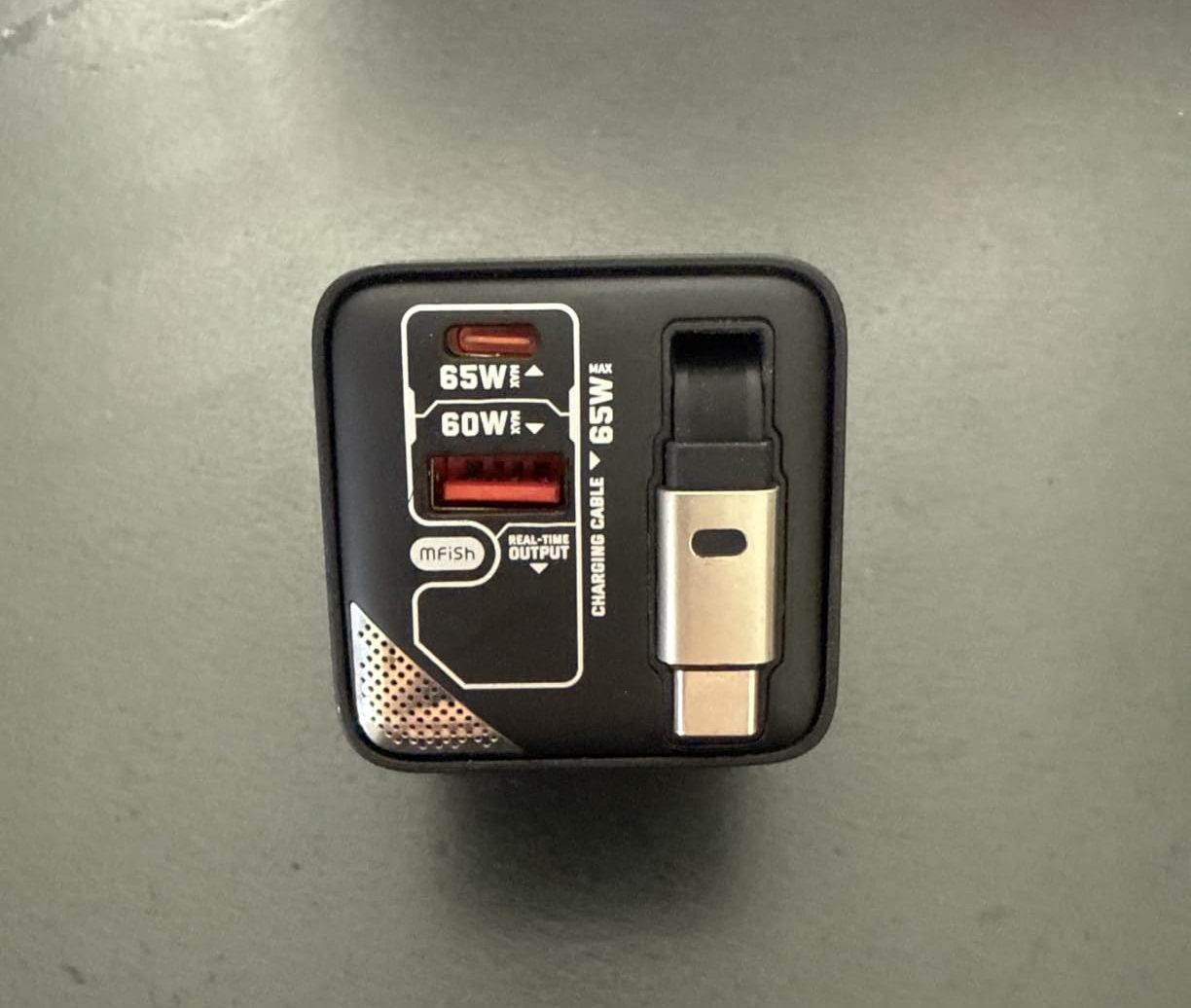
Retractable cables solve a specific subset of cable management issues. They extend when needed, retract when not, and stay organized automatically. The mechanism handles the coiling and storage that people otherwise do manually or, more commonly, don’t do at all. That automation is the difference between cables staying neat versus gradually devolving into chaos. It’s not that people are lazy—it’s that manual cable management is low-priority compared to everything else demanding attention.
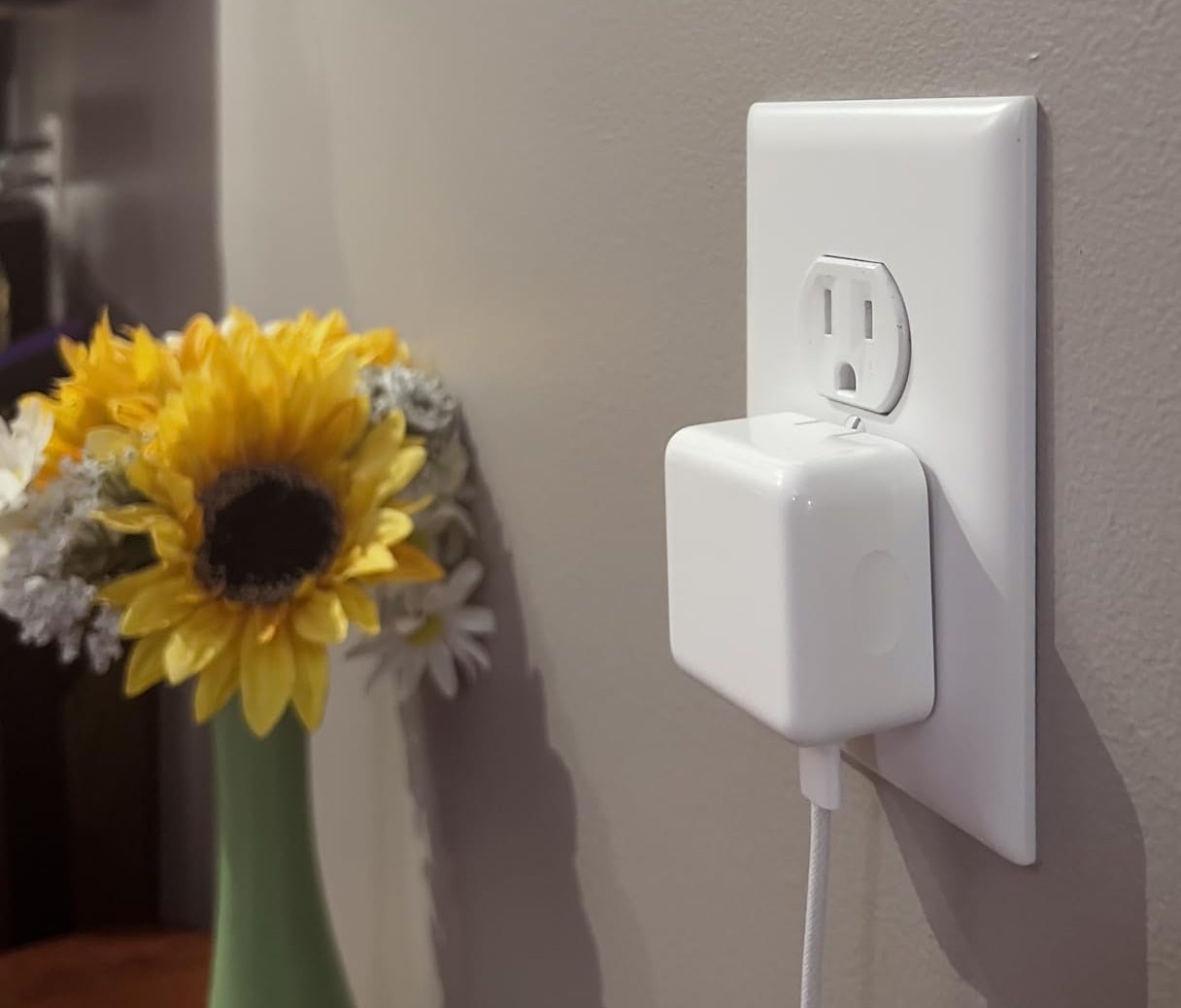
GaN chargers changed the size equation. Older chargers were bulky, heavy, and generated significant heat. GaN technology produces smaller, lighter chargers that output the same or higher wattage. A sixty-five watt charger that once required a brick the size of a deck of cards now fits in a form factor closer to standard phone chargers. That size reduction matters for desk aesthetics and portability—the charger becomes less obtrusive whether it’s sitting on a desk or packed in a bag.
Dual USB-C and USB-A ports accommodate the transition period where devices use both standards. Newer iPhones, iPads, and MacBooks are USB-C. Older accessories, peripherals, and hand-me-down devices might still use USB-A. A charger with both port types means not needing separate chargers for different device generations. That flexibility extends the charger’s useful life beyond the current device lineup.

Sixty-five watts is sufficient for MacBook Air and most iPad models, which means a single charger can handle multiple device types throughout the day. Charge the MacBook during work hours, the iPad during lunch, the iPhone before leaving for the day. The charger becomes universal infrastructure rather than device-specific, which reduces the number of chargers needed and simplifies the desktop setup. Fewer chargers means fewer cables, fewer occupied outlets, and less clutter overall.
Matte black finishes appeal to people who care about desk aesthetics. Glossy plastic looks cheap and shows fingerprints. Shiny surfaces reflect light distractingly. Matte finishes are neutral, non-reflective, and blend into most desk environments without drawing attention. It’s a minor detail, but desks are visible spaces where people spend hours daily. Small aesthetic improvements accumulate into environments that feel more intentional and less chaotic.
The underlying issue is that USB-C’s promise of universal charging hasn’t fully materialized yet. Yes, one cable type works across many devices, but people still need multiple cables, multiple chargers, and multiple charging points. The transition period between old and new standards creates maximum complexity—needing both USB-A and USB-C, Lightning cables for older devices, varied wattage requirements across device types. Accessories that accommodate this complexity without adding to it serve a real need, even if that need is temporary as the ecosystem eventually standardizes.
The current listing shows $37 at the time of publishing. View current listing. Price at time of publishing. Subject to change.
"Note: Readers like you help support The Apple Tech. We may receive a affiliate commission when you purchase products mentioned on our website."