This Lanyard Cable Reflects How iPhone Users Are Rethinking Portable Connectivity

Carrying a charging cable used to mean stuffing it into a bag or pocket and hoping it would still be there when needed. The success rate was inconsistent. Cables are…

Carrying a charging cable used to mean stuffing it into a bag or pocket and hoping it would still be there when needed. The success rate was inconsistent. Cables are…

Car charging used to be simpler because expectations were lower. A single USB-A port in the dashboard meant someone got power and someone waited. The scarcity made the hierarchy obvious.…

There’s a moment in every iPad setup where someone decides whether precision matters. For years, that decision felt binary: either you needed Apple’s stylus for real work, or you were…

Battery life remains one of the few Apple Watch specifications that hasn’t improved proportionally to everything else. The screen got brighter, the sensors multiplied, the processor gained efficiency—but the daily…

There’s a specific type of annoyance that occurs when you remember to pack a charger but forget the cable, or vice versa. It’s not catastrophic—someone nearby usually has a spare—but…

There’s a strange new weight in travel bags this year, and it has nothing to do with souvenirs. Portable chargers have crossed a threshold. What was once a slim emergency…

Power banks used to have one job: keep phones alive between wall outlets. The use case was obvious, the form factor optimized for pockets, and the entire category existed in…

Recording video on an iPhone used to require a second person or a static tripod and careful positioning. The trade-off was always the same: either you asked someone to help,…

There was a time when carrying a portable charger meant carrying two things: the battery itself and a cable that may or may not be compatible with the device you…

Elevating a display to eye level is straightforward ergonomics. The solution—a riser that creates storage underneath while lifting the screen—has been around for decades. What’s changed is that these functional…
Household technology used to consolidate around a single ecosystem. Everyone had iPhones, or everyone had Android devices. Chargers could be generic because the cables were universal, or highly specific because…

The 45-watt charging block has become standard issue for many Android users, particularly those with Samsung Galaxy devices. But its presence in the broader charging ecosystem is beginning to reshape…

Bedside tables used to accumulate charging cables organically. One cord for the phone, another for the watch, maybe a third for earbuds. They draped over edges, tangled behind lamps, and…

The desktop has become a charging zone. Not in the sense of wireless pads or docking stations, but in the literal redistribution of power delivery across multiple devices that never…
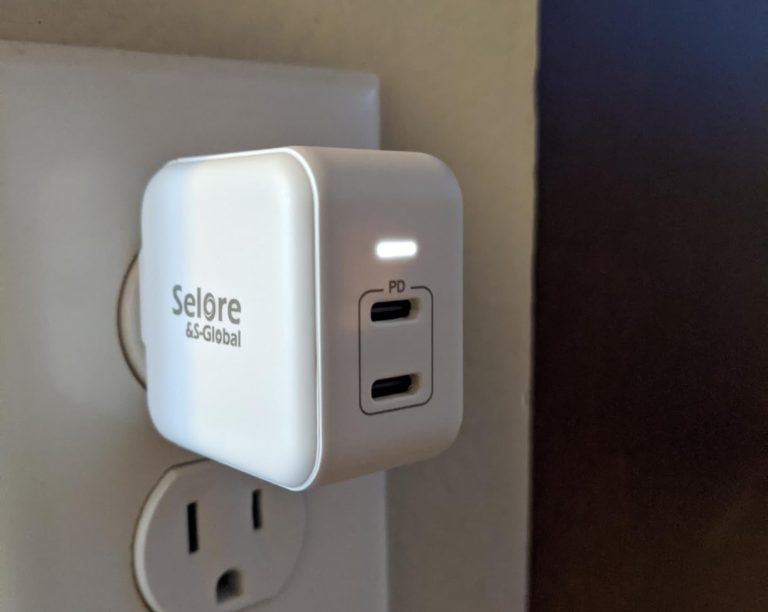
Phone chargers used to stay put. One lived beside the bed, another on a desk, maybe a third in the kitchen. They occupied outlets semi-permanently, their prongs extended into walls…
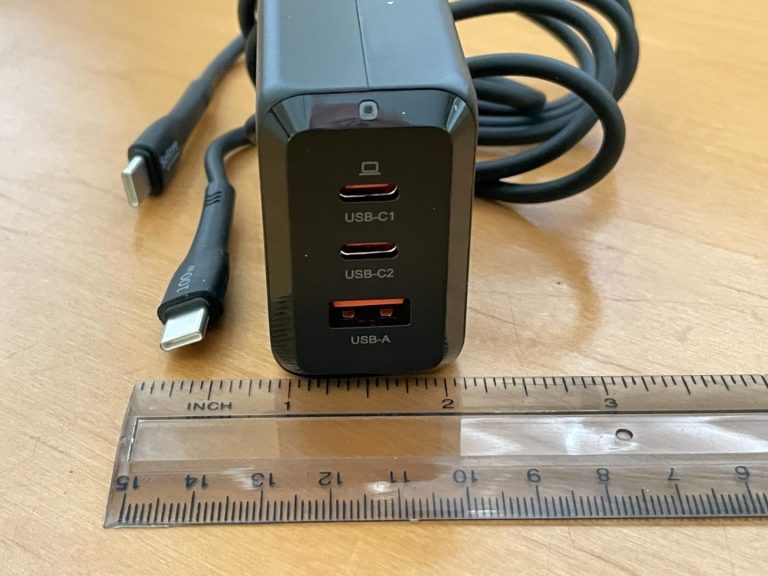
Apple has historically sold charging components separately. The power adapter is one product, the cable another. The approach made sense within the company’s modular accessory philosophy—users could mix and match…

Standard charging cables hover around three feet, a length determined more by manufacturing convention than user behavior. It works fine when outlets are plentiful and conveniently located, but real-world workspaces…

Apple has spent years optimizing iPhone battery life, promising all-day performance under typical use. Yet a sizable portion of users operates under a different reality: by 3 PM, the battery…

Apple’s transition to USB-C was supposed to end the cable wars. One port across iPhone, iPad, MacBook—universal compatibility, universal charging. But inside cars, where devices charge during transit and cables…
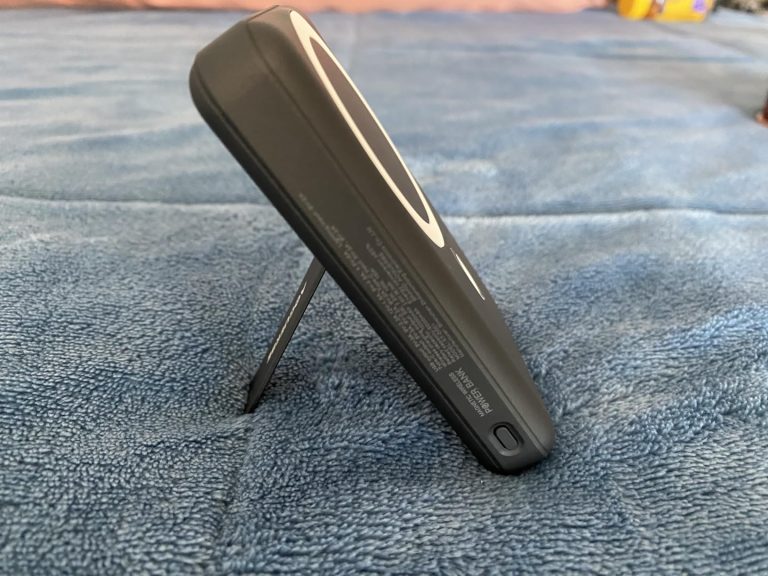
MagSafe introduced magnetic charging as a nightstand convenience—snap the puck on, set the phone down, wake up to a full battery. But a subset of users discovered a different application…

There was a time when the shower was a phone-free zone by default. Not by choice, but by physics. Water and electronics don’t mix, and the bathroom remained one of…